
1. Chemical identity reference
Public chemical databases list Alpha-Ketoglutaric Acid under the stated identity; this reference supports identity review and does not replace the batch COA.
Citation: PubChem compound recordView source
AKG
CAS 328-50-7
Assay98.0–102.0% assay
Alpha-ketoglutaric acid powder for metabolic research and free-acid formulation development
Alpha-Ketoglutaric Acid Powder (CAS 328-50-7), specification 98.0–102.0% assay. Free-acid AKG with a 98.0–102.0% assay range; calcium alpha-ketoglutarate has a separate specification. Batch COA and evaluation samples are available. MOQ: 1 kg. healthy-aging ingredients
Quote / sample & delivery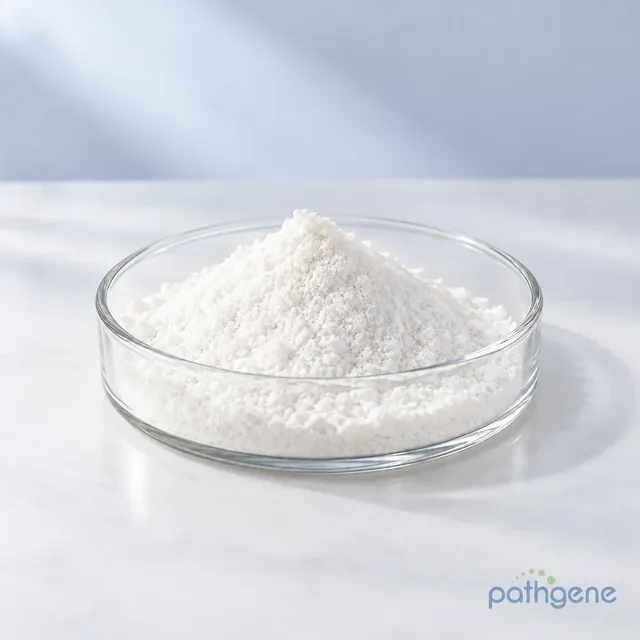
Key Specifications
| Product Positioning | Alpha-ketoglutaric acid powder for metabolic research and free-acid formulation development |
| Application Scenarios | cell metabolism research · nutrition formulation screening · biochemical media development |
| CAS Number | 328-50-7 |
| Assay | 98.0–102.0% assay |
| Molecular Formula | C5H6O5 |
| Molecular Weight | 146.10 g/mol |
| Appearance | White to yellowish crystalline powder |
| Solubility | Soluble in water; confirm concentration and pH |
| Storage | Store tightly closed in a cool, dry and ventilated place |
| Shelf Life | 2028-03-15 |
Procurement & delivery
Supply details confirmed by intended use, volume and target market
Alpha-ketoglutaric acid (2-oxoglutaric acid) is a central metabolic intermediate and is supplied here as the free acid. It must be kept separate from calcium alpha-ketoglutarate and other mineral salts when specifying a product. No. This page specifies alpha-ketoglutaric acid CAS 328-50-7. Calcium AKG is a separate salt form; compare identity and assay basis and evaluate formulation pH rather than substituting by equal powder mass. Product image: AI-generated ingredient illustration; actual batch appearance is subject to the sample and COA.
Alpha-Ketoglutaric Acid Bulk Supply
PathGene supplies Alpha-Ketoglutaric Acid, CAS 328-50-7, with specification 98.0–102.0% assay.
Free-Acid AKG Raw Material
Free-acid AKG raw material for formulation and biochemical development.
Batch Quality Documentation
Batch COA supports the quality evaluation of Alpha-Ketoglutaric Acid and the agreed purchasing specification.
Evaluation Samples
Request Alpha-Ketoglutaric Acid samples for incoming-quality evaluation and project trials.
Supply and Packaging
MOQ: 1 kg. Packaging options: 1 g, 100 g, 1 kg, 25 kg.
Test items, specifications and results for the listed batch are shown here. View or request a COA in the quality documents section.
Batch No.
PGAKG-260316
Test date
2026-03-17
Specification
Q/PG-INHOUSE
Pack size
25 kg/drum
Storage
Store tightly closed in a cool, dry and ventilated place
Conclusion
Conforms
| Test Item | Specification | Result |
|---|---|---|
| Assay (dry basis) | 98.0–102.0% | 100.0% |
| Solubility (10% in water) | Colorless to almost colorless | Conforms |
| Loss on drying | ≤0.5% | 0.13% |
| Heavy metals (as Pb) | ≤10 ppm | Conforms |
View an available COA in the quality documents section. Check the document for its product form and batch; request a signed COA for your purchasing or shipment batch separately.
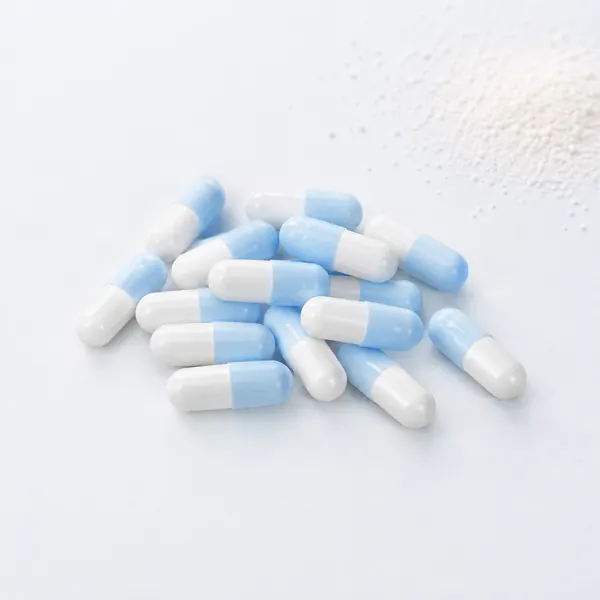
Hard capsules
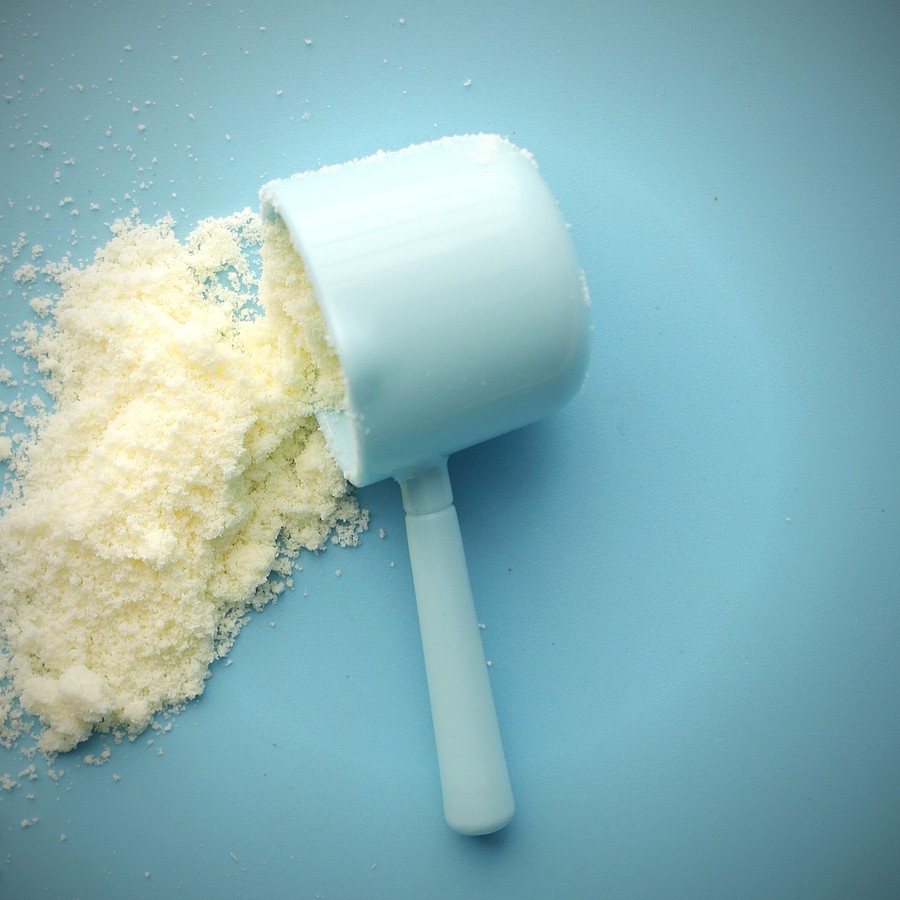
Powders
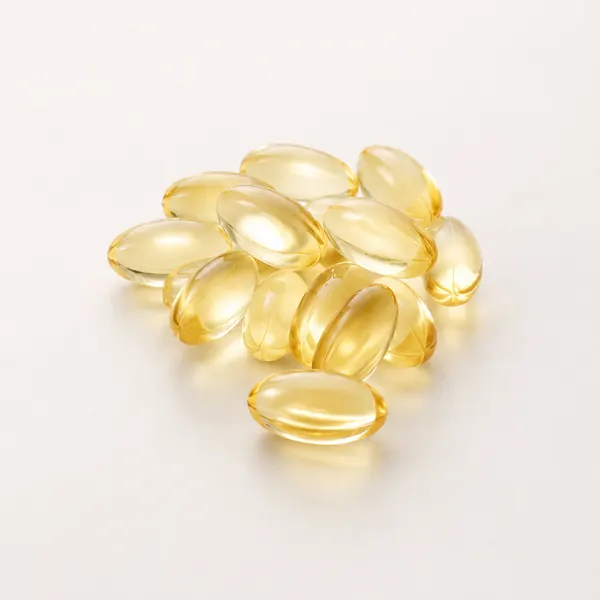
Softgels
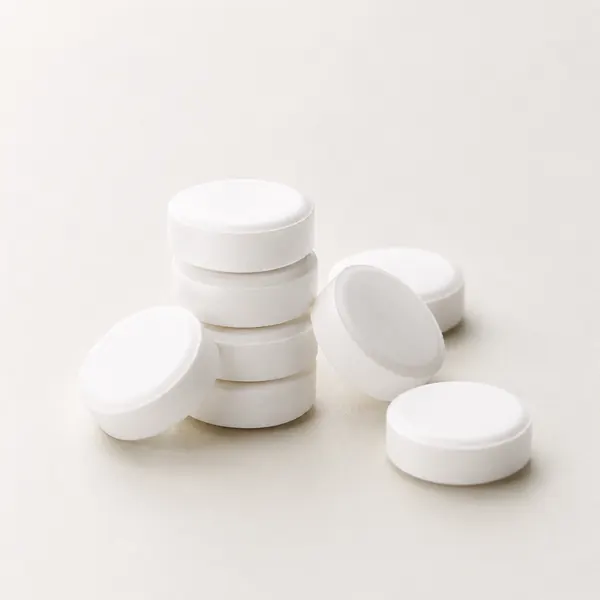
Tablets
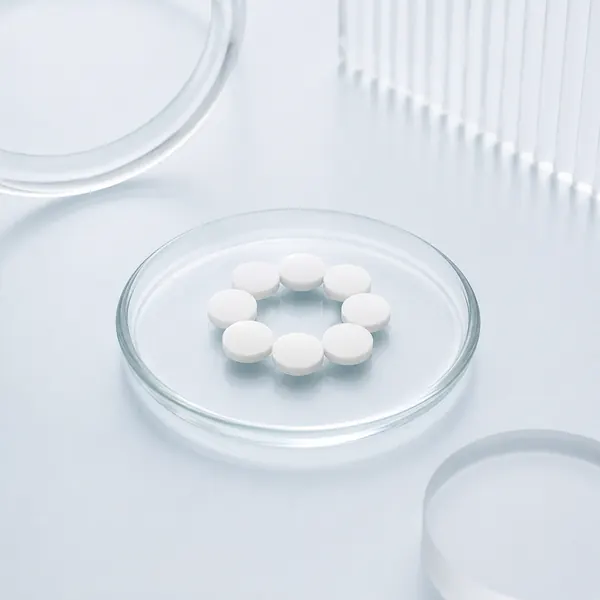
Sublingual tablets
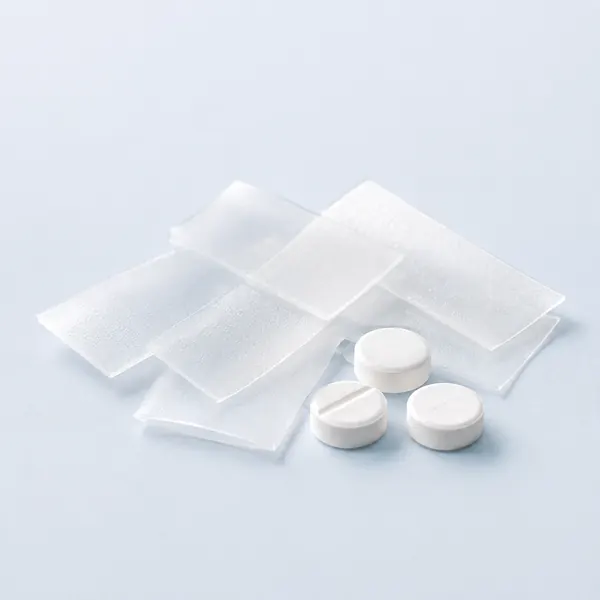
Oral dissolving films
Select free acid separately from Ca-AKG; acidity, elemental calcium and AKG equivalents prevent direct mass-for-mass substitution.
100.0%
Assay (dry basis)
Conforms
Solubility (10% in water)
PGAKG-260316 · Results apply to this lot; interpret purity, assay and water on their respective bases.
Composition candidates, processing sequences and tests support pilot design. Confirm candidate excipients and processes using this material in the actual finished formulation.
Study combinations, individual-ingredient mechanisms and product precedents are distinguished; expand each entry for scope and pilot-development checks.
In biochemical R&D, α-ketoglutarate and glutamate form a reversible substrate/product pair for glutamate dehydrogenase (GDH), with ammonium and NAD(P)H participating according to reaction direction. This supports enzyme-kinetics and nitrogen-metabolism assay design; establish pH, ammonium concentration, cofactor choice and product-readout controls rather than implying a dietary synergy.
Expand research and formulation notes +Collapse research and formulation notes −Development rationale: In biochemical R&D, α-ketoglutarate and glutamate form a reversible substrate/product pair for glutamate dehydrogenase (GDH), with ammonium and NAD(P)H participating according to reaction direction. This supports enzyme-kinetics and nitrogen-metabolism assay design; establish pH, ammonium concentration, cofactor choice and product-readout controls rather than implying a dietary synergy.
Evidence scope: GDH's reversible conversion between glutamate and α-ketoglutarate is established biochemical knowledge. The cited review describes the pathway but does not test a supplement combination or establish a health outcome; validate kinetics with the specific enzyme and assay matrix.
Pilot checks: Include no-enzyme, no-substrate and reagent blanks; compare cofactor/enzyme levels and establish linearity, recovery and inter-lot precision.
2017 · The Glutamate Dehydrogenase Pathway and Its Roles in Cell and Tissue Biology in Health and Disease. ↗Literature-Supported Research Directions
Public chemical databases list Alpha-Ketoglutaric Acid under the stated identity; this reference supports identity review and does not replace the batch COA.
Citation: PubChem compound recordView source
A 2022 review describes AKG as a tricarboxylic-acid-cycle intermediate and summarizes animal and human research. It notes that available human studies are few and that modern clinical evidence for ageing-related outcomes is lacking. This is a rationale for research, not proof of a healthspan or anti-ageing benefit.
Citation: Gyanwali et al. Trends in Endocrinology & Metabolism. 2022;33(2):136–146.View source
A six-month randomized study in 76 postmenopausal women with osteopenia examined calcium AKG and measured bone-turnover markers and bone mineral density. Because the intervention was a calcium salt, it is related-form evidence and should not be treated as direct evidence for this free-acid SKU.
Citation: Filip et al. Alpha-ketoglutarate decreases serum levels of C-terminal cross-linking telopeptide of type I collagen (CTX) in postmenopausal women with osteopenia: six-month study. International journal for vitamin and nutrition research. Internationale Zeitschrift fur Vitamin- und Ernahrungsforschung. Journal international de vitaminologie et de nutrition (2007). PMID: 17896582.View source
Note: For ingredient R&D and scientific information; findings depend on model, dose, formulation and population and do not constitute a treatment claim or efficacy guarantee.
Lead Time
3–5business days
Standard products are generally in stock; confirm the exact lead time with us.
Minimum Order
1 kg
Samples, pilot trials, and commercial volumes are supported.
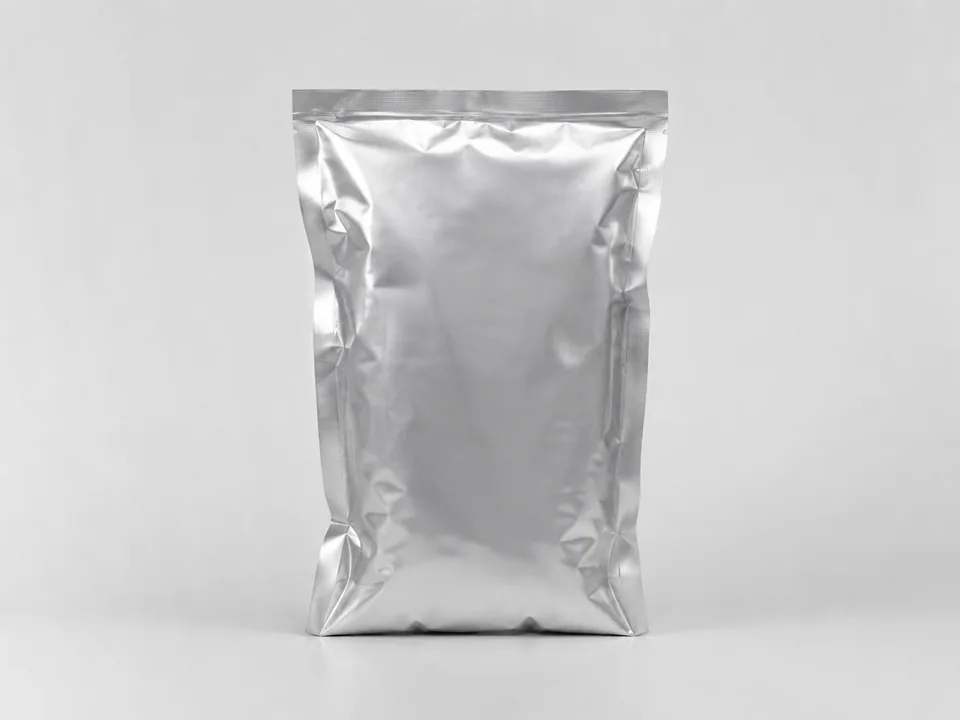
Foil Pouch
Sealed, moisture-protective inner packaging

Fiber Drum
Standard outer packaging for bulk transport
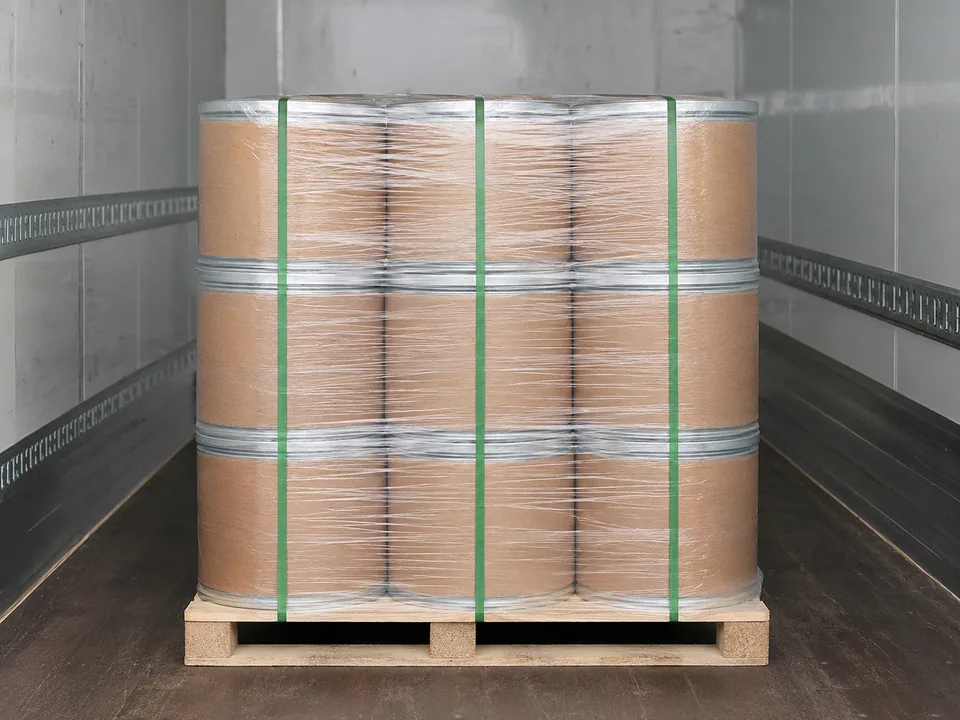
Bulk Shipping
Palletized and stretch-wrapped for protection
Ambient storage: foil pouch + fiber drum; temperature controlled: foil pouch + insulated box/carton. Confirm by product.
Custom packaging: Custom foil bags or HDPE drums, GMP label printing, and export documentation are available. Contact us for a quote.Images are packaging illustrations.
Certifications
The stated purity and batch result are shown separately. Confirm the method, dry-basis calculation and salt or hydrate form against the current COA.
Formulation work should confirm concentration, pH, light, moisture and hold-time controls for Alpha-Ketoglutaric Acid; suitability depends on the final format and market requirements.
The raw-material MOQ for AKG free-acid powder is 1 kg, with pack options of 1 g, 100 g, 1 kg, 25 kg. Select this free-acid specification separately from calcium AKG.
Alpha-ketoglutaric acid (AKG free acid, CAS 328-50-7) and calcium AKG are distinct supplied forms. The calcium salt contributes calcium, with different assay bases and formulation-pH behavior. Align the AKG-component calculation basis before comparing inclusion levels or cost.
Alpha-ketoglutaric acid powder, CAS 328-50-7, has an assay specification of 98.0–102.0%, supplied for formulation and biochemical development. Review method, reference standard and calculation basis against the matching lot COA.
Interpret the 98.0–102.0% AKG assay range with its method and calculation basis, rather than as an uncorrected mass fraction. For results above 100%, review reference-standard assignment, corrections and calculations before applying the agreed acceptance limits.
Documents are subject to product and batch availability; third-party reports are provided only when applicable.
Quality documents
The specification sheet defines acceptance limits. The COA shows actual batch results, which may vary by batch. Third-party reports are provided only for products or batches that have been independently tested.
Stable acceptance criteria · Available on request
Actual test data · Check the COA for the applicable batch
Related Products
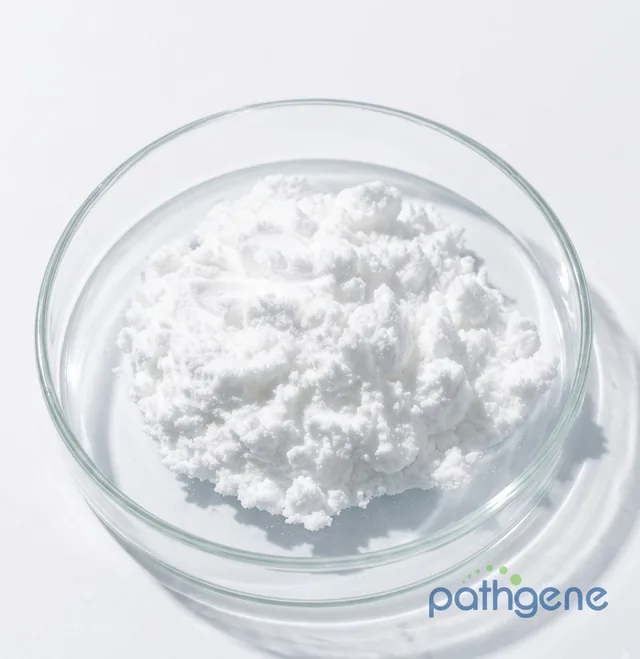
Spermidine Trihydrochloride Powder
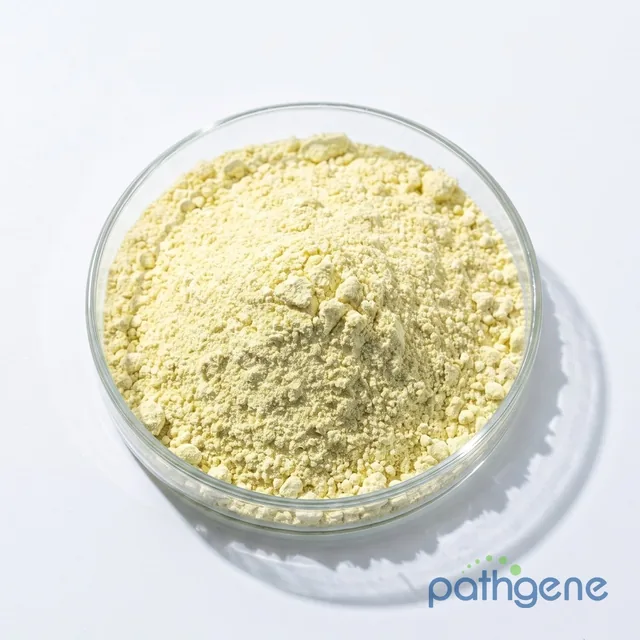
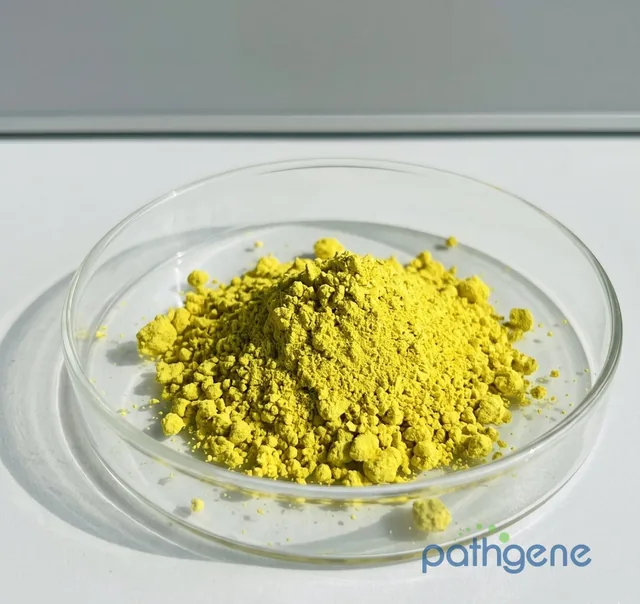
Pyrroloquinoline Quinone Disodium Salt Powder
Interested in AKG?
Our R&D team will respond to your inquiry or sample request within 24 hours.
Scan to add WeChat

Alex Huang · Mon–Fri 9am–6pm CST