PQQ
Pyrroloquinoline Quinone Disodium Salt

Key Specifications
| CAS Number | 122628-50-6 |
| Purity | ≥98.0% |
| Molecular Formula | C₁₄H₄N₂O₈·2Na |
| Molecular Weight | 374.17 g/mol |
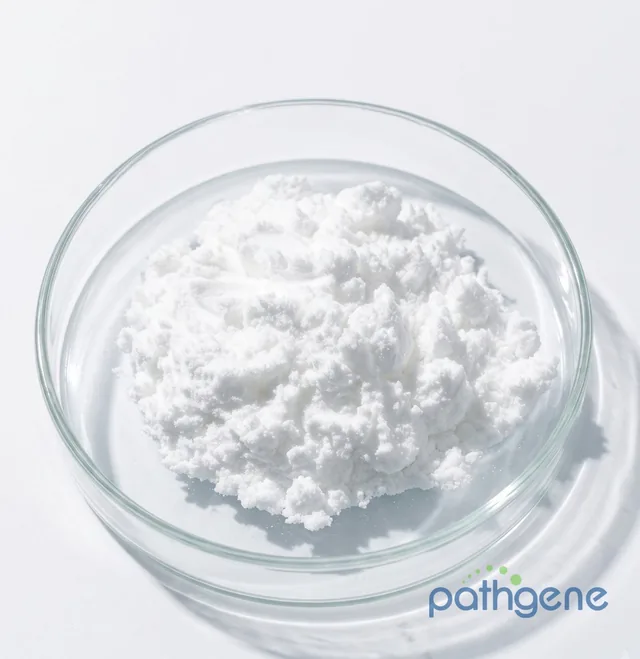
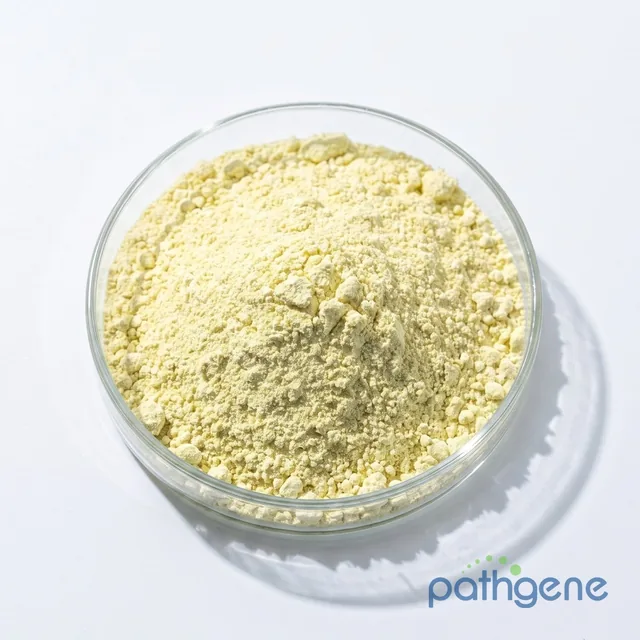
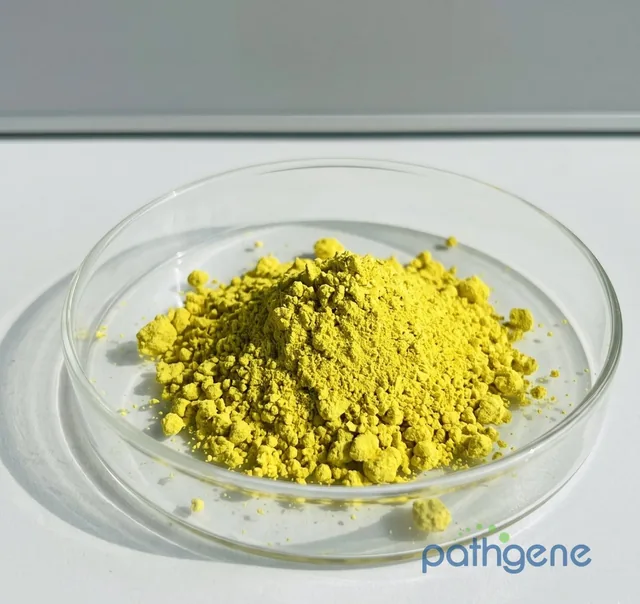
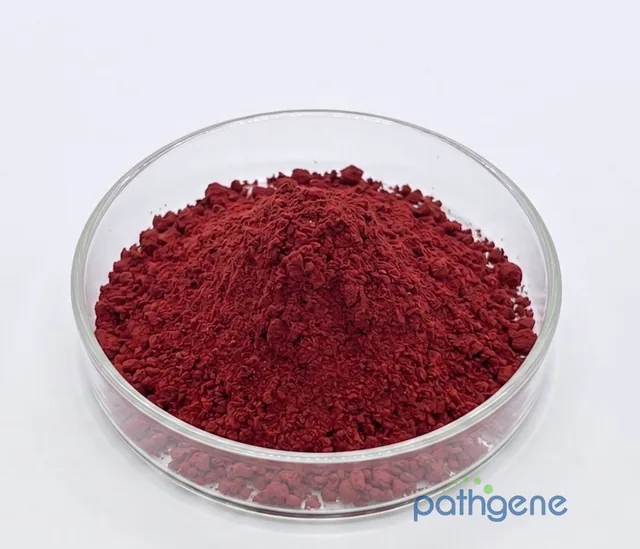
| Appearance | Dark red to dark brown powder |
| Solubility | Soluble in water |
| Storage | Room temperature, protect from light |
| Shelf Life | 24 months |
CAS 122628-50-6
What Is PQQ?
Pyrroloquinoline quinone disodium salt (PQQ disodium, CAS 122628-50-6) is the water-soluble sodium salt of PQQ, an aromatic tricyclic ortho-quinone that functions in nature as a redox cofactor for bacterial dehydrogenases (quinoproteins). With molecular formula C14H4N2O8·2Na and a molecular weight of 374.17 g/mol, it appears as a dark red to dark brown powder. PQQ occurs naturally at trace levels in soil, fermented foods, and some plant tissues, but commercial bulk material is not extracted from these sources; instead it is produced at scale by controlled microbial fermentation using methylotrophic bacteria (such as Hyphomicrobium species) grown on methanol, followed by broth clarification, purification, and conversion of the free acid into the more stable, water-soluble disodium salt form used in finished ingredients.
Other Names
Key Features
Assayed Purity ≥98.0%
Every batch is quantified by validated HPLC assay to confirm purity of 98.0% or higher, with a certificate of analysis issued per lot.
Controlled Microbial Fermentation
Produced via monitored fermentation using methylotrophic bacteria (Hyphomicrobium), with strict process controls to ensure consistent yield and quality batch to batch.
Consistent Dark Red-Brown Powder
Supplied as a fine, free-flowing dark red to dark brown powder with uniform particle size, well suited for direct blending or downstream processing.
Heavy Metal & Microbial Screening
Each lot is screened for heavy metals (Pb, As, Hg, Cd) and microbial limits (total plate count, yeast/mold, E. coli, Salmonella) to support food- and supplement-grade use.
Flexible Bulk & OEM Supply
Available in flexible order quantities from sample size to bulk drums, with OEM/private-label formulation, custom particle size, and tailored packaging on request.
| Molecular Formula | C₁₄H₄N₂O₈·2Na |
| Molecular Weight | 374.17 g/mol |
| Appearance | Dark red to dark brown powder |
| Solubility | Soluble in water |
| Storage Condition | Room temperature, protect from light |
| Shelf Life | 24 months |
| Grade 1 | Supplement Grade · ≥98.0% · COA |
End-Product Applications
Mechanism & Benefits
Fermentation-derived (Hyphomicrobium). Promotes mitochondrial biogenesis, improves cognitive function and energy metabolism.
Packaging Options
100 g 500 g 1 kg
Lead Time
7–10 business days
Minimum Order
100 g
Custom Packaging
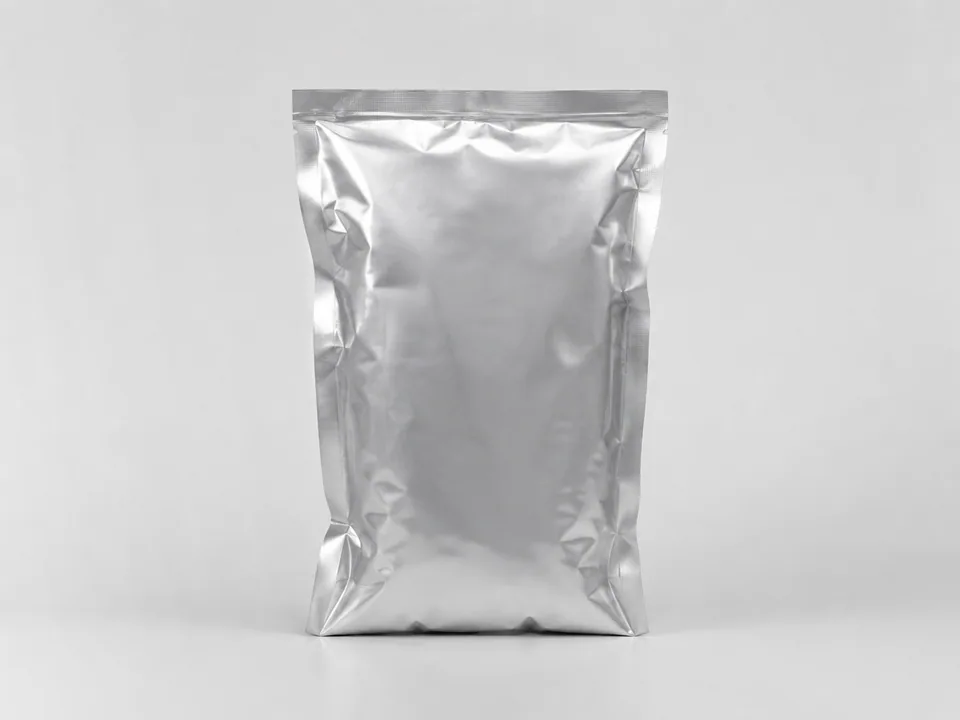
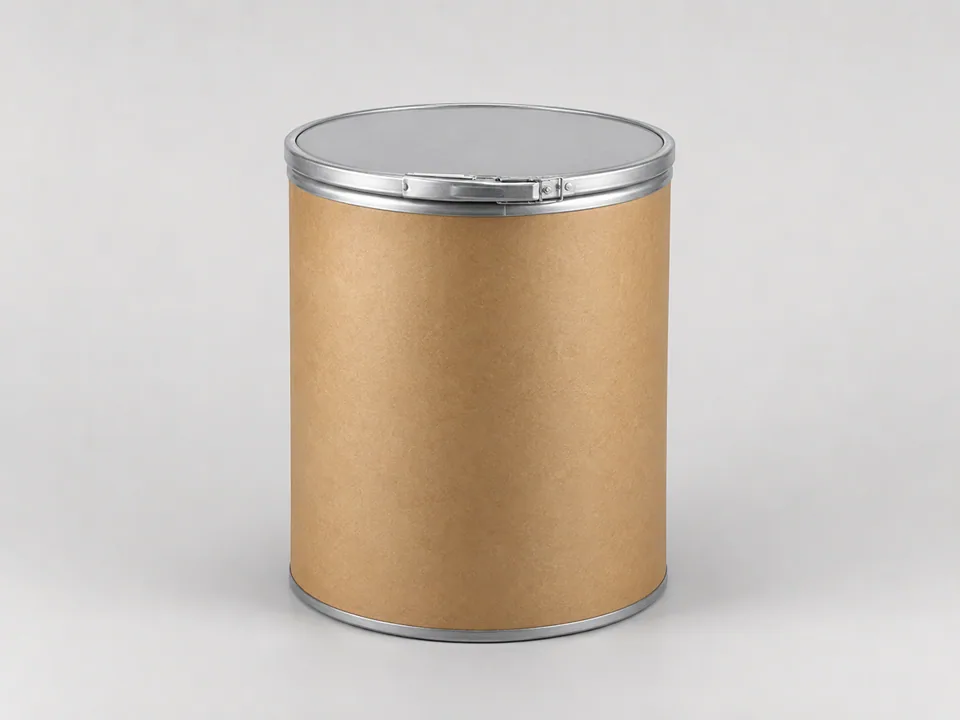
Custom packaging (foil bags, HDPE drums), GMP labeling, and export documentation are available. Contact us for specifics.Certifications
ISO
ISO
ISO9001
ISO 9001
Manufacturing Process
Strain Preparation & Seed Culture
A high-yield methylotrophic bacterial strain (Hyphomicrobium/Methylobacterium type) is revived from the strain bank and expanded through seed culture stages under sterile conditions.
Controlled Fermentation
Seed culture is transferred into production bioreactors with methanol as the primary carbon source; pH, dissolved oxygen, temperature, and feed rate are continuously monitored to maximize PQQ biosynthesis.
Broth Clarification
Bacterial cells and insoluble solids are removed from the fermentation broth by centrifugation and/or membrane filtration, yielding a clarified PQQ-containing liquid.
Adsorption & Extraction
The clarified liquid is passed through macroporous resin columns to selectively capture and concentrate PQQ, which is then eluted from the resin.
Chromatographic Purification
The eluate undergoes further purification (such as ion-exchange chromatography) to remove residual pigments, salts, and fermentation by-products, raising PQQ purity significantly.
Acidification & Crystallization
The purified solution is acidified to precipitate PQQ free acid, which is collected and washed to a high degree of purity.
Neutralization to Disodium Salt
PQQ free acid is neutralized with a sodium base (e.g., sodium hydroxide/sodium bicarbonate) under controlled conditions to form the more soluble and stable disodium salt.
Drying, Milling & Quality Control
The disodium salt is vacuum- or freeze-dried, milled to the target particle size, sieved, and released for packaging only after passing full quality control testing.
Quality Specifications
| Test Item | Specification | Result |
|---|---|---|
| Appearance | Dark red to dark brown powder | Conforms – dark reddish-brown powder |
| Assay (HPLC) | ≥98.0% | 98.6% |
| Identification (IR) | Consistent with reference spectrum | Conforms |
| Loss on Drying | ≤5.0% | 3.1% |
| pH (1% aqueous solution) | 6.0–8.0 | 7.2 |
| Particle Size | 100% through 80 mesh | Conforms |
| Lead (Pb) | ≤2 mg/kg | <1 mg/kg |
| Arsenic (As) | ≤1 mg/kg | <0.5 mg/kg |
| Mercury (Hg) | ≤0.1 mg/kg | <0.05 mg/kg |
| Cadmium (Cd) | ≤1 mg/kg | <0.5 mg/kg |
| Total Plate Count | ≤1000 CFU/g | <100 CFU/g |
| Yeast & Mold | ≤100 CFU/g | <10 CFU/g |
| E. coli | Negative/25g | Negative |
| Salmonella | Negative/25g | Negative |
Purity & Assay Method
Purity is determined by reverse-phase HPLC with UV detection against a qualified PQQ reference standard, which reliably separates PQQ from residual fermentation by-products and degradation impurities. Buyers should request the batch-specific certificate of analysis, confirm the reference standard and detection wavelength used, and, for regulated end-uses, consider independent third-party verification alongside our in-house COA.
Solubility & Formulation
PQQ disodium salt is freely soluble in water, readily forming a clear, deep reddish-brown solution suitable for aqueous processing. Solutions are generally most stable near neutral pH; prolonged exposure to strong acids, high heat, intense light, or high concentrations of reducing agents such as ascorbic acid can accelerate degradation of the quinone structure, so co-formulation with such ingredients should be compatibility-tested in advance. It is commonly incorporated into capsules, tablets, powder blends, and beverage or liquid premixes, and can be considered for microencapsulation or protective coating in applications requiring extended shelf life.
Available Product Forms
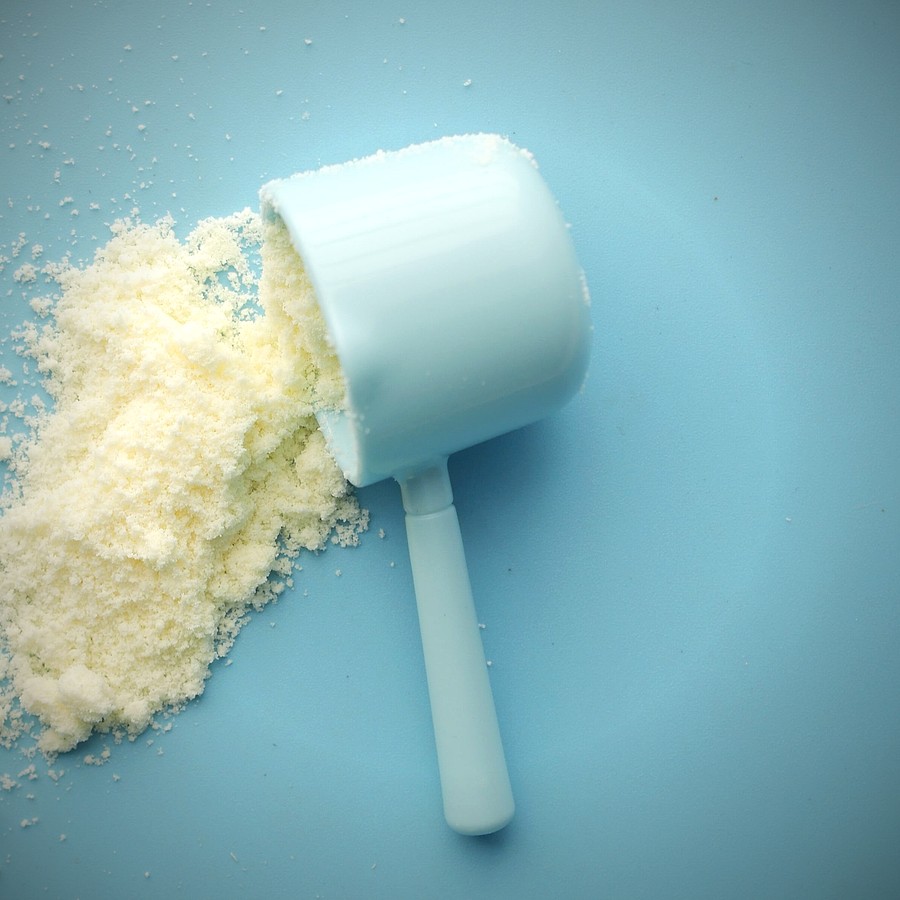
Bulk PQQ Powder
High-purity raw powder for supplement factories, research organizations, ingredient distributors, and contract manufacturers.
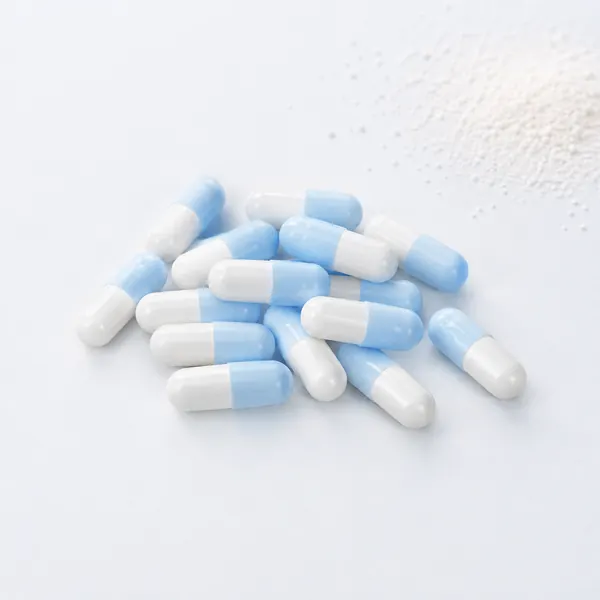
PQQ Capsules
Custom capsule strength, shell material, bottle count, excipients, and label design for private-label brands.
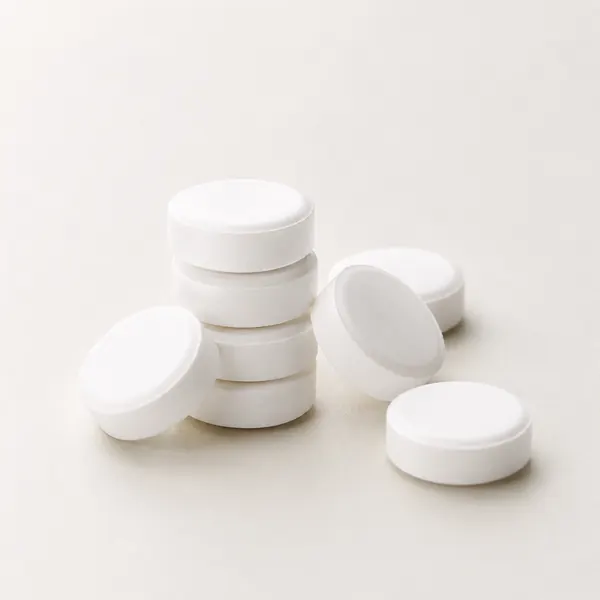
PQQ Tablets
Tablet formulation, granulation, compression, coating, bottle packaging, and custom labeling support.
PQQ Powder Blends
PQQ can be blended with complementary actives (antioxidants, other longevity ingredients, vitamins, minerals) per customer formula.
How is the ≥98.0% purity confirmed, and can I request documentation?+
Purity is verified by validated HPLC assay for every production batch, and a certificate of analysis (COA) is issued and available on request along with the corresponding batch number.
Is this PQQ disodium salt fermentation-derived or chemically synthesized?+
It is produced by microbial fermentation using methylotrophic bacteria (Hyphomicrobium), not chemical synthesis. The fermentation broth is purified and the resulting PQQ free acid is converted to the disodium salt for improved stability and solubility.
How soluble is it, and are there formulation precautions to keep in mind?+
It is freely soluble in water. We recommend formulating near neutral pH, avoiding prolonged exposure to strong acids, high heat, or high levels of reducing agents like ascorbic acid, and pre-testing compatibility with your specific matrix.
Can we request a free sample before placing a bulk order?+
Yes, small samples are available for evaluation upon request so you can verify appearance, solubility, and quality before committing to a bulk purchase.
Do you support independent third-party lab testing?+
Yes, in addition to our in-house COA, samples can be sent to a third-party laboratory of your choice for independent verification of purity and safety parameters.
Can this ingredient be supplied under OEM or private label?+
Yes, we offer OEM and private-label options, including customized specifications (particle size, purity grade), formulation support, and branded packaging.
What packaging options are available for this product?+
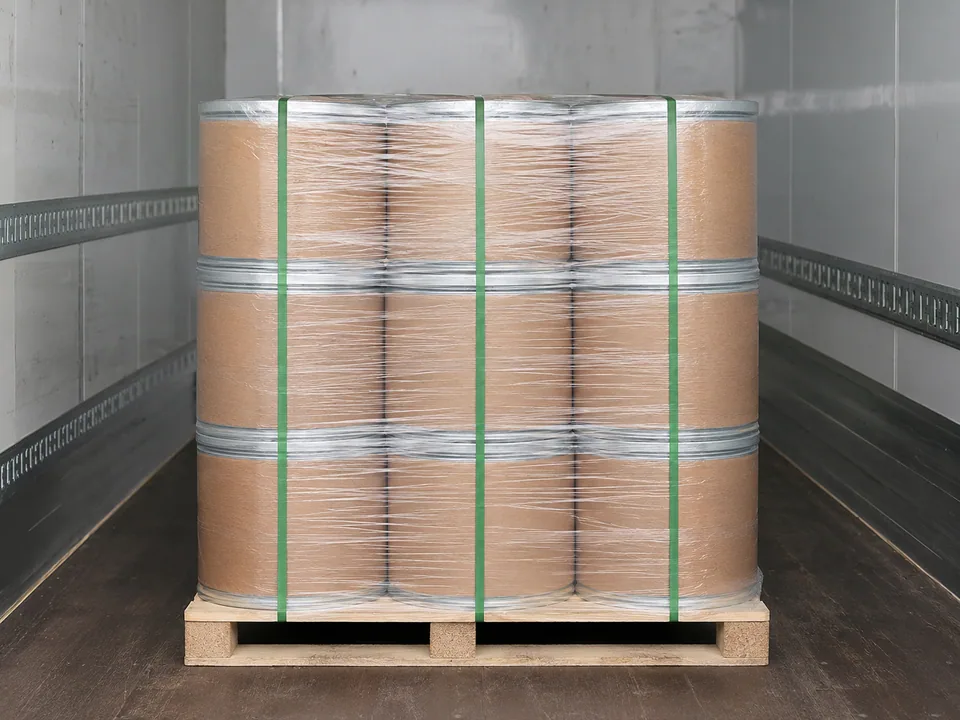
Standard packaging includes foil bags and fiber/plastic drums in sizes such as 1 kg, 5 kg, and 25 kg, with moisture-proof, light-protective packaging and custom sizes available on request.
What is the minimum order quantity, and how do we get a quotation?+
MOQ varies depending on packaging format and customization needs; please contact our sales team with your target quantity and application to receive a formal quotation and lead time.
Why Choose PathGene
- Direct China manufacturer supply — factory pricing, no middleman
- Batch-specific COA & full traceability on every shipment
- In-house R&D + synthetic biology / enzymatic production platform
- Free sample for qualified B2B buyers before commercial order
- Flexible MOQ — from lab-scale trial to ton-scale commercial supply
- One-stop OEM/private-label support for finished dosage forms
- Worldwide shipping by courier, air freight, and sea freight
OEM & Private-Label Services
- ·Custom capsule manufacturing
- ·Custom tablet manufacturing
- ·Powder blending & custom formulation
- ·Private-label bottles, pouches & labels
- ·Small trial orders
- ·Bulk commercial production
- ·Export documentation
- ·Third-party laboratory testing
Documents Available
- ·Certificate of Analysis (COA)
- ·Product specification sheet
- ·Material Safety Data Sheet (MSDS)
- ·Manufacturing flow chart
- ·HPLC test report
- ·Heavy-metal test report
- ·Microbiological test report
- ·Non-GMO / allergen statement
- ·Country-of-origin documentation
- ·Packing list & commercial invoice
Certificate availability should be confirmed with our sales team before ordering.
Sample Certificate of Analysis
PathGene Biotech Co., Ltd.
南京派琪生物科技有限公司
CERTIFICATE OF ANALYSIS
Layout example — not an issued batch record
Product Name
PQQ
CAS No.
122628-50-6
Batch No.
PG-SAMPLE-000000
Packaging
Issued upon order confirmation
| Test Item | Specification | Result |
|---|---|---|
| Appearance | Dark red to dark brown powder | Conforms – dark reddish-brown powder |
| Assay (HPLC) | ≥98.0% | 98.6% |
| Identification (IR) | Consistent with reference spectrum | Conforms |
| Loss on Drying | ≤5.0% | 3.1% |
| pH (1% aqueous solution) | 6.0–8.0 | 7.2 |
| Particle Size | 100% through 80 mesh | Conforms |
| Lead (Pb) | ≤2 mg/kg | <1 mg/kg |
| Arsenic (As) | ≤1 mg/kg | <0.5 mg/kg |
| Mercury (Hg) | ≤0.1 mg/kg | <0.05 mg/kg |
| Cadmium (Cd) | ≤1 mg/kg | <0.5 mg/kg |
| Total Plate Count | ≤1000 CFU/g | <100 CFU/g |
| Yeast & Mold | ≤100 CFU/g | <10 CFU/g |
| E. coli | Negative/25g | Negative |
| Salmonella | Negative/25g | Negative |
Conclusion: Conforms to internal quality specifications
The COA issued with your order will carry the actual batch number, manufacture/test dates, and QC signature.
Related Products
Interested in PQQ?
Our R&D team will respond to your inquiry or sample request within 24 hours.