Ceramide
Ceramide

Key Specifications
| CAS Number | 100403-19-8 |
| Purity | ≥95.0% |
| Molecular Formula | Mixture |
| Molecular Weight | ~580 g/mol |
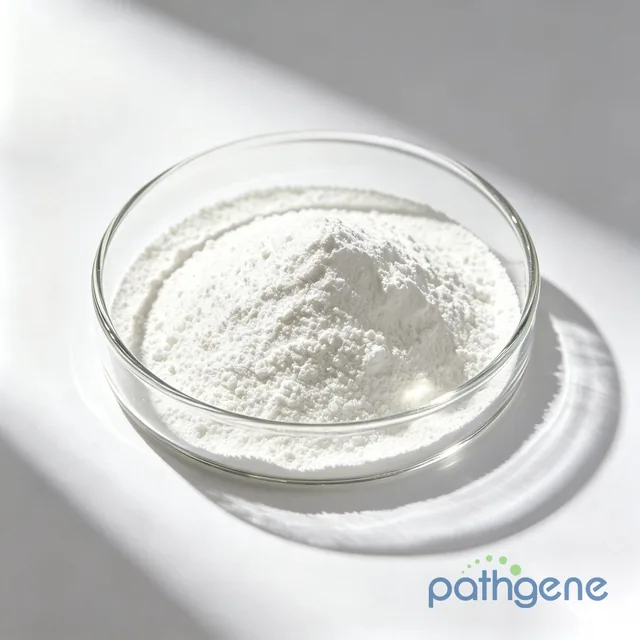
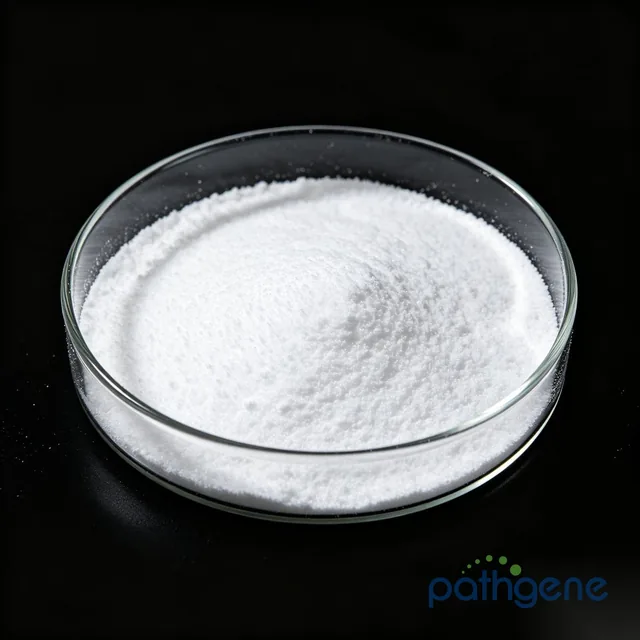
| Appearance | White to off-white powder or waxy solid |
| Solubility | Soluble in organic solvents |
| Storage | Room temperature, dry |
| Shelf Life | 24 months |
CAS 100403-19-8
What Is Ceramide?
Ceramide (CAS 100403-19-8), commercially known as Ceramide 3 or Ceramide NP, is a sphingolipid consisting of an N-acylated phytosphingosine — primarily N-(tetracosanoyl)-phytosphingosine — with a representative formula near C36H73NO4 and molecular weight of about 580 g/mol. Because commercial material contains several closely related long-chain ceramide homologs, it is registered and supplied as a mixture rather than a single pure structure. This ceramide type occurs naturally in the stratum corneum, the outermost skin layer, where it helps organize the intercellular lipid lamellae that form the skin's barrier. Commercial bulk material is not extracted from animal or plant tissue but produced biotechnologically: a sphingoid-base precursor is generated by yeast fermentation, then acylated with a long-chain fatty acid, chemically or enzymatically, to build the ceramide, which is purified into a white to off-white powder or waxy solid.
Other Names
Key Features
High & Consistent Purity
Supplied at ≥95.0% purity as verified by HPLC, with tight batch-to-batch consistency supported by an ISO9001-certified quality management system.
Controlled Biotechnological Production
Produced via a fermentation and enzymatic-acylation platform rather than animal or plant extraction, giving full traceability over the sphingoid-base precursor and fatty-acid coupling step.
Uniform Powder/Waxy Solid Form
Delivered as a white to off-white powder or waxy solid with controlled particle size, allowing consistent dispersion in creams, emulsions, and other topical formulations.
Rigorous Contaminant Testing
Every batch is screened for heavy metals (Pb, Hg, Cd, As) and microbial limits (total plate count, yeast/mold, E. coli, Salmonella) to meet cosmetic raw-material safety expectations.
Flexible Bulk & OEM Supply
Available in flexible bulk packaging with OEM/private-label documentation support, custom COAs, and technical assistance for formulation trials.
| Molecular Formula | Mixture |
| Molecular Weight | ~580 g/mol |
| Appearance | White to off-white powder or waxy solid |
| Solubility | Soluble in organic solvents |
| Storage Condition | Room temperature, dry |
| Shelf Life | 24 months |
| Grade 1 | Cosmetic Grade · ≥95.0% · COA |
End-Product Applications
Mechanism & Benefits
Repairs skin barrier, locks in moisture, reduces dryness and delays skin aging.
Packaging Options
100 g 500 g 1 kg
Lead Time
7–10 business days
Minimum Order
100 g
Custom Packaging
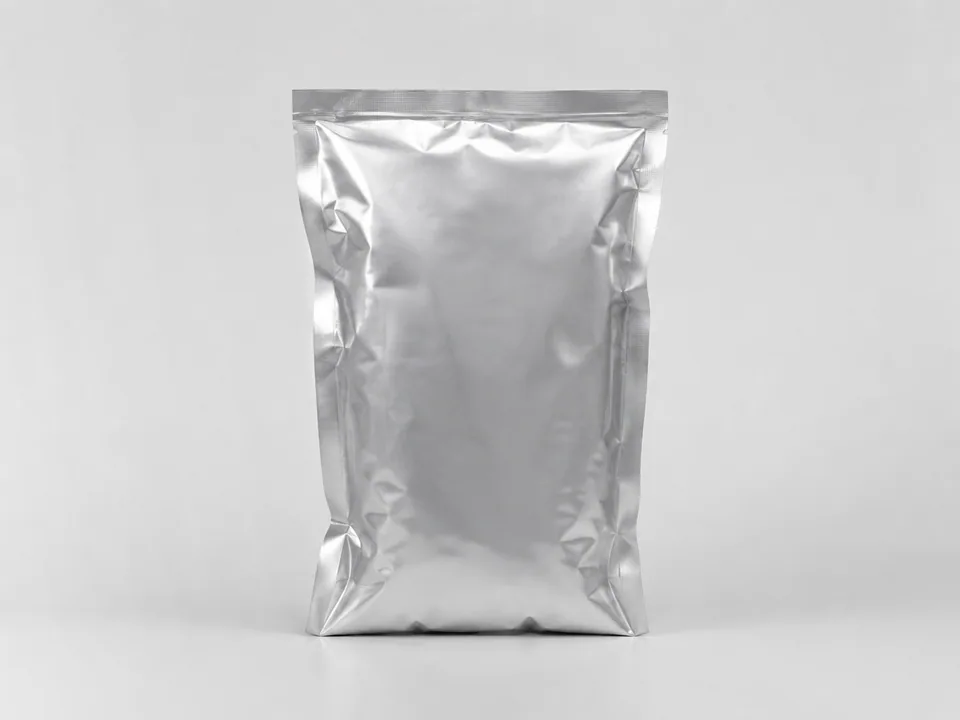
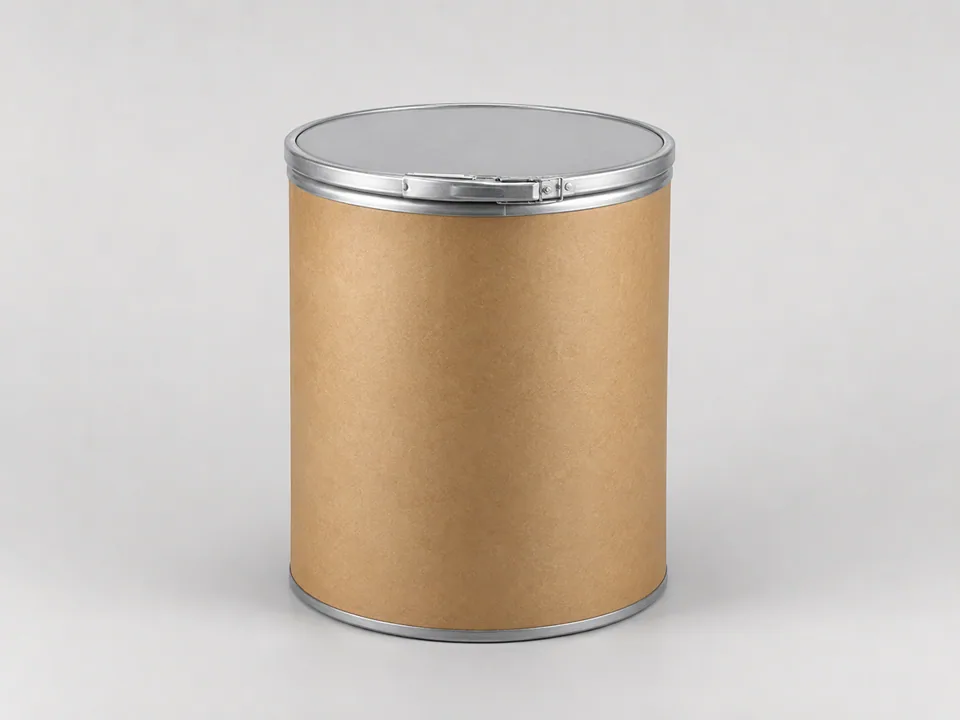
Custom packaging (foil bags, HDPE drums), GMP labeling, and export documentation are available. Contact us for specifics.Certifications
ISO9001
ISO 9001
Manufacturing Process
Yeast Strain Fermentation
A selected non-conventional yeast strain (Wickerhamomyces/Pichia ciferrii type) is fermented under controlled conditions to biosynthesize and secrete a tetraacetylated sphingoid-base precursor (TAPS) into the culture broth.
Broth Separation & Extraction
Biomass is removed from the fermentation broth and the secreted precursor is extracted and concentrated using solvent extraction and separation techniques.
Deacetylation to Phytosphingosine
The tetraacetylated intermediate is hydrolyzed (deacetylated) under controlled conditions to yield free phytosphingosine, the core sphingoid backbone of the final ceramide.
Precursor Purification
Crude phytosphingosine is purified by crystallization and/or chromatographic polishing to remove residual fermentation by-products before the acylation step.
N-Acylation with Fatty Acid
Purified phytosphingosine is coupled with a long-chain saturated fatty acid, using either lipase-catalyzed enzymatic amidation or a coupling-reagent-mediated chemical route, to form the ceramide amide bond.
Crude Product Crystallization
The crude ceramide reaction mass is crystallized from solvent to isolate the target ceramide and its closely related long-chain homologs from unreacted starting materials.
Purification & Drying
The crystallized material undergoes further washing/recrystallization and controlled drying to reach the target purity and residual solvent specifications.
Milling, QC & Packaging
The dried solid is milled or micronized to the target particle size, tested against full quality specifications, and packaged under controlled conditions for bulk or OEM supply.
Quality Specifications
| Test Item | Specification | Result |
|---|---|---|
| Appearance | White to off-white powder or waxy solid | Conforms |
| Odor | Odorless to faint characteristic odor | Conforms |
| Assay (Ceramide content, HPLC) | ≥95.0% | 96.8% |
| Melting point / crystal form | Waxy solid, approx. 60-90°C softening range | Conforms |
| Particle size | Micronized powder, D90 ≤75 μm (typical) | Conforms, D90 ≤75 μm |
| Loss on drying | ≤1.0% | 0.4% |
| Heavy metals - Lead (Pb) | ≤10 mg/kg | <5 mg/kg |
| Mercury (Hg) | ≤1 mg/kg | <0.1 mg/kg |
| Cadmium (Cd) | ≤1 mg/kg | <0.5 mg/kg |
| Arsenic (As) | ≤2 mg/kg | <1 mg/kg |
| Total plate count | ≤1000 CFU/g | <100 CFU/g |
| Yeast & Mold | ≤100 CFU/g | <10 CFU/g |
| E. coli | Negative/25g | Negative |
| Salmonella | Negative/25g | Negative |
Purity & Assay Method
Purity is determined by HPLC, typically with evaporative light-scattering or charged-aerosol detection, quantifying the target ceramide against closely related long-chain homologs and residual phytosphingosine or free fatty acid. Because this product is registered as a mixture, buyers should request the batch-specific certificate of analysis (COA) and, where formulation performance is critical, confirm the ceramide homolog ratio, residual solvent levels, and HPLC chromatogram rather than relying on the headline purity figure alone.
Solubility & Formulation
As a lipophilic sphingolipid, this ceramide is soluble in organic solvents (e.g., ethanol, isopropanol, and warm oils) but is essentially insoluble in water. In topical formulations it is typically incorporated via a liposomal/lamellar pre-dispersion, a lipid-phase premix heated above its melting range, or a solvent-carrier system, and is often combined with cholesterol and fatty acids at physiologically relevant ratios to better mimic the skin's natural lipid lamellae. Formulators should evaluate compatibility with their specific emulsion system and target use level (commonly 0.1-3%).
Available Product Forms
Bulk Ceramide Powder
High-purity raw material for cosmetic formulators, contract manufacturers, and ingredient distributors.
Ceramide Solution / Premix
Custom-concentration aqueous or carrier-based premix for easier incorporation into finished formulations.
Custom Formulation Support
Formulation guidance for incorporating Ceramide into serums, creams, or masks based on the intended finished product.
How can I confirm the purity and full specifications of a specific batch?+
Each batch ships with a certificate of analysis (COA) showing HPLC-based purity, appearance, particle size, heavy metals, and microbial results. We can also provide the underlying HPLC chromatogram on request so you can verify results independently before purchase.
How is this ceramide produced — is it derived from animal sources?+
No. Our ceramide is produced through a biotechnological route: a sphingoid-base precursor is generated by yeast fermentation, then coupled with a long-chain fatty acid via enzymatic or chemical acylation. It is not extracted from animal tissue, which supports batch traceability and a more consistent supply.
Is this ceramide water-soluble, and how should it be formulated?+
It is not water-soluble; it dissolves in organic solvents and warm oil phases. Most formulators pre-disperse it as a lamellar/liposomal system or incorporate it into the heated oil phase, often alongside cholesterol and fatty acids. Our technical team can advise on formulation approaches for your specific application.
Can I request a sample before placing a bulk order?+
Yes, small samples are available for formulation trials and quality evaluation. Please contact our sales team with your intended application so we can recommend the appropriate grade and packaging.
Do you support third-party testing of your ceramide?+
Yes. In addition to our in-house COA, customers are welcome to submit samples to an independent laboratory of their choice for verification of purity, heavy metals, or microbial limits.
Can you provide OEM or private-label services?+
Yes, we support OEM/private-label supply, including customized documentation, labeling, and packaging sizes, as well as formulation support for finished cosmetic products built around this ceramide.
What packaging options are available?+
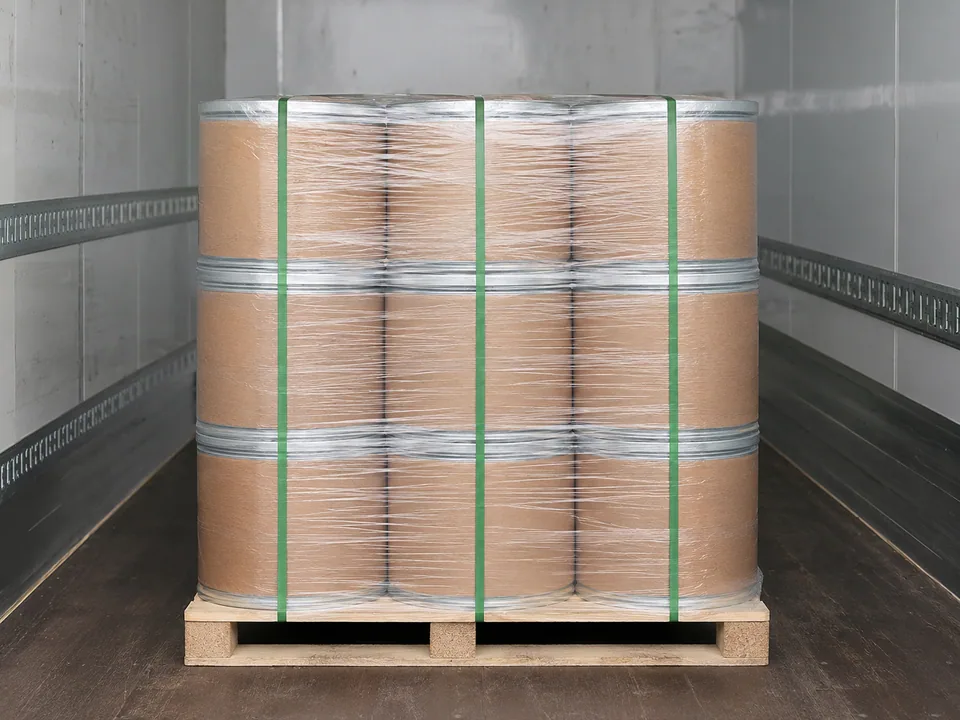
Standard packaging typically includes options such as 1 kg, 5 kg, and 25 kg fiber drums or bags with inner moisture-barrier liners; other package sizes can be arranged on request.
What is the minimum order quantity (MOQ), and how can I get a quotation?+
MOQ depends on packaging format and intended use; sample-scale quantities are generally accessible, while bulk pricing improves at drum-scale volumes. Please contact our sales team with your target quantity, application, and destination for a formal quotation.
Why Choose PathGene
- Direct China manufacturer supply — factory pricing, no middleman
- Batch-specific COA & full traceability on every shipment
- In-house R&D + synthetic biology / enzymatic production platform
- Free sample for qualified B2B buyers before commercial order
- Flexible MOQ — from lab-scale trial to ton-scale commercial supply
- One-stop OEM/private-label support for finished dosage forms
- Worldwide shipping by courier, air freight, and sea freight
OEM & Private-Label Services
- ·Custom capsule manufacturing
- ·Custom tablet manufacturing
- ·Powder blending & custom formulation
- ·Private-label bottles, pouches & labels
- ·Small trial orders
- ·Bulk commercial production
- ·Export documentation
- ·Third-party laboratory testing
Documents Available
- ·Certificate of Analysis (COA)
- ·Product specification sheet
- ·Material Safety Data Sheet (MSDS)
- ·Manufacturing flow chart
- ·HPLC test report
- ·Heavy-metal test report
- ·Microbiological test report
- ·Non-GMO / allergen statement
- ·Country-of-origin documentation
- ·Packing list & commercial invoice
Certificate availability should be confirmed with our sales team before ordering.
Sample Certificate of Analysis
PathGene Biotech Co., Ltd.
南京派琪生物科技有限公司
CERTIFICATE OF ANALYSIS
Layout example — not an issued batch record
Product Name
Ceramide
CAS No.
100403-19-8
Batch No.
PG-SAMPLE-000000
Packaging
Issued upon order confirmation
| Test Item | Specification | Result |
|---|---|---|
| Appearance | White to off-white powder or waxy solid | Conforms |
| Odor | Odorless to faint characteristic odor | Conforms |
| Assay (Ceramide content, HPLC) | ≥95.0% | 96.8% |
| Melting point / crystal form | Waxy solid, approx. 60-90°C softening range | Conforms |
| Particle size | Micronized powder, D90 ≤75 μm (typical) | Conforms, D90 ≤75 μm |
| Loss on drying | ≤1.0% | 0.4% |
| Heavy metals - Lead (Pb) | ≤10 mg/kg | <5 mg/kg |
| Mercury (Hg) | ≤1 mg/kg | <0.1 mg/kg |
| Cadmium (Cd) | ≤1 mg/kg | <0.5 mg/kg |
| Arsenic (As) | ≤2 mg/kg | <1 mg/kg |
| Total plate count | ≤1000 CFU/g | <100 CFU/g |
| Yeast & Mold | ≤100 CFU/g | <10 CFU/g |
| E. coli | Negative/25g | Negative |
| Salmonella | Negative/25g | Negative |
Conclusion: Conforms to internal quality specifications
The COA issued with your order will carry the actual batch number, manufacture/test dates, and QC signature.
Interested in Ceramide?
Our R&D team will respond to your inquiry or sample request within 24 hours.