SL
Sophorolipid

Key Specifications
| CAS Number | 148409-20-5 |
| Purity | ≥90.0% |
| Molecular Formula | Mixture |
| Molecular Weight | ~600–700 g/mol |
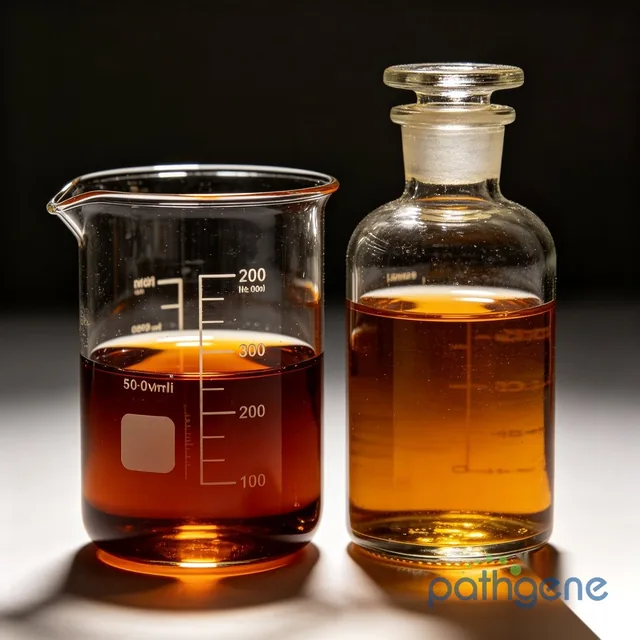
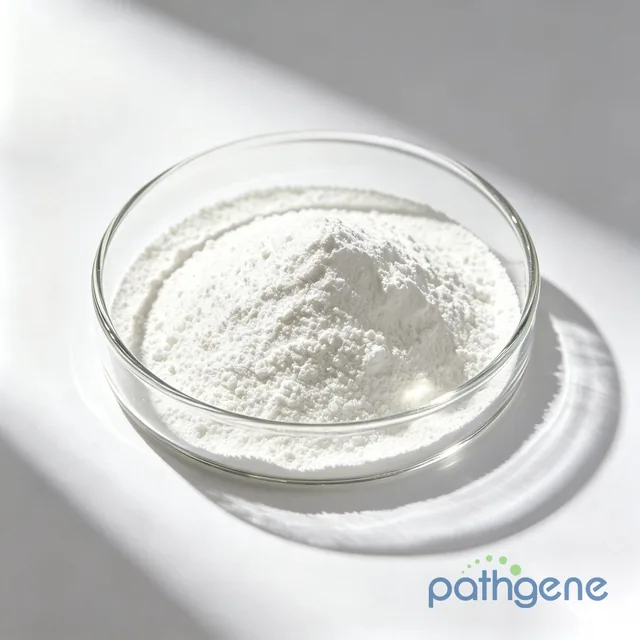
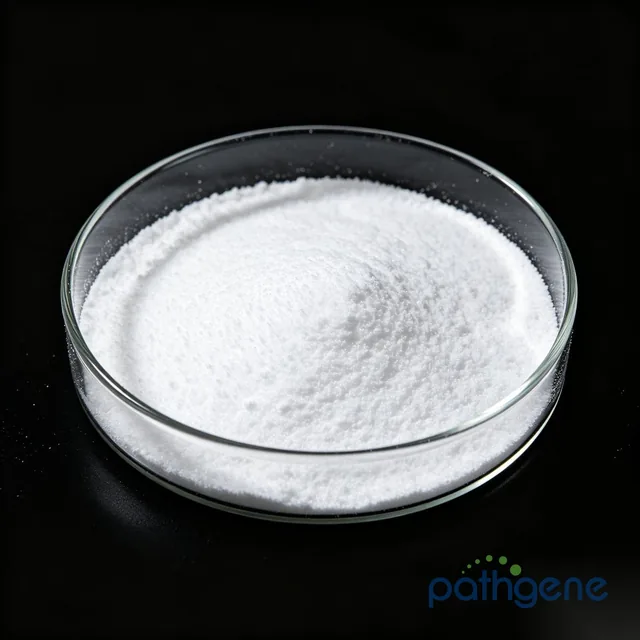
| Appearance | Off-white to light yellow viscous liquid or powder |
| Solubility | Dispersible in water |
| Storage | Room temperature, dry |
| Shelf Life | 24 months |
CAS 148409-20-5
What Is SL?
Sophorolipid (SL, CAS 148409-20-5) is a glycolipid-type biosurfactant belonging to the sophorose-based glucolipid family, produced naturally by non-pathogenic yeasts such as Starmerella bombicola (formerly Candida bombicola). Structurally it consists of the disaccharide sophorose linked glycosidically to a long-chain hydroxy fatty acid, occurring as a mixture of acidic (open-chain) and lactonic (cyclic, diacetylated) congeners; this CAS number is specifically assigned to the lactonic diacetate form, while commercial-grade material is typically an acidic/lactonic mixture averaging roughly 600-700 g/mol. Industrially, sophorolipid is manufactured entirely by fermentation: the yeast is cultured on a hydrophilic sugar source together with a vegetable oil or fatty acid co-substrate, after which the broth is separated, extracted, and purified into the finished biosurfactant used in cosmetics, personal care, and food-related applications.
Other Names
Key Features
High, Verified Purity
Each batch is controlled to ≥90.0% purity by HPLC, giving formulators a consistent, well-characterized biosurfactant across production runs.
Controlled Fermentation Process
Produced by a standardized yeast fermentation process with defined sugar and vegetable oil feedstocks, ensuring reproducible congener composition batch after batch.
Flexible Physical Form
Supplied as an off-white to light yellow viscous liquid or powder, dispersible in water, allowing easy incorporation into a range of finished-product formats.
Rigorous Contaminant Screening
Every batch is screened for heavy metals (Pb, Hg, Cd, As) and microbial limits, supporting compliance needs for cosmetic and personal-care applications.
Flexible Bulk & OEM Supply
Available in flexible bulk quantities with OEM/private-label support, from small trial lots to full commercial-scale orders.
| Molecular Formula | Mixture |
| Molecular Weight | ~600–700 g/mol |
| Appearance | Off-white to light yellow viscous liquid or powder |
| Solubility | Dispersible in water |
| Storage Condition | Room temperature, dry |
| Shelf Life | 24 months |
| Grade 1 | Cosmetic/Industrial Grade · ≥90.0% · COA |
End-Product Applications
Mechanism & Benefits
Fermentation-derived biosurfactant. Anti-microbial, anti-inflammatory, moisturizing and gut health support.
Packaging Options
1 kg 5 kg 25 kg
Lead Time
5–7 business days
Minimum Order
1 kg
Custom Packaging
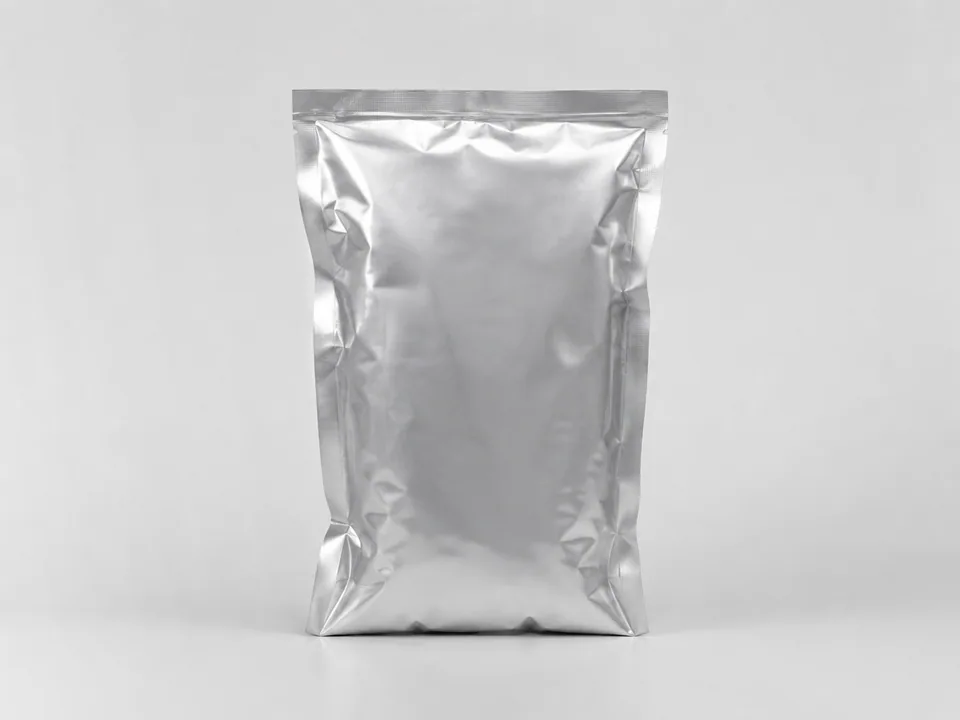
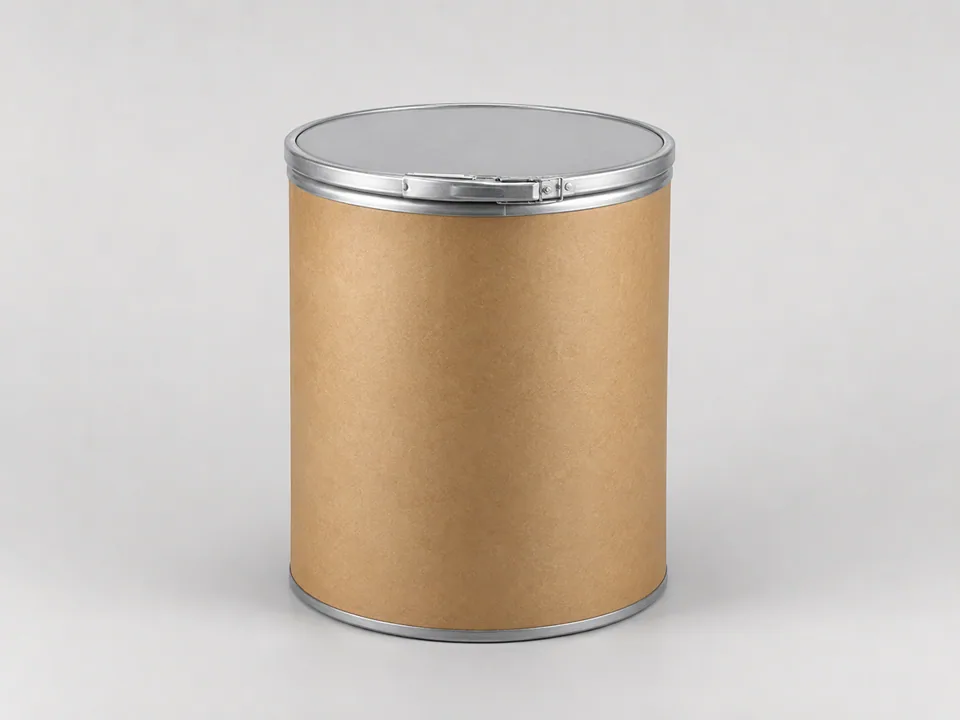
Custom packaging (foil bags, HDPE drums), GMP labeling, and export documentation are available. Contact us for specifics.Certifications
ISO9001
ISO 9001
Manufacturing Process
Strain & Seed Culture Preparation
A selected sophorolipid-producing yeast strain (e.g. Starmerella bombicola) is revived and expanded through seed culture stages under sterile, controlled conditions.
Feedstock Preparation
A hydrophilic carbon source (glucose or another sugar) is combined with a hydrophobic co-substrate such as vegetable oil or a fatty acid, along with nitrogen sources and trace nutrients, to prepare the fermentation medium.
Fed-Batch Aerobic Fermentation
The yeast is cultivated in a fed-batch bioreactor under controlled aeration, temperature, and pH over several days, during which sophorolipid congeners accumulate extracellularly in the broth.
Biomass Separation
The fermentation broth is centrifuged or filtered to remove yeast cells and residual insoluble oil, leaving a crude sophorolipid-rich phase.
Extraction & Purification
The crude product is extracted with a suitable solvent and subjected to washing and purification steps to remove residual sugars, salts, and unreacted fatty material.
Congener Fractionation (Acidic/Lactonic Ratio Adjustment)
The purified mixture is optionally fractionated or crystallized to adjust the acidic-to-lactonic congener ratio for the target grade.
Concentration & Drying
The purified sophorolipid is concentrated by evaporation to a viscous liquid, or further spray-dried/granulated to a powder form, depending on the intended product grade.
Quality Control & Packaging
Finished material is tested for purity, appearance, heavy metals, and microbial limits before being packaged under controlled conditions for shipment.
Quality Specifications
| Test Item | Specification | Result |
|---|---|---|
| Appearance | Off-white to light yellow viscous liquid or powder | Conforms |
| Odor | Characteristic, no off-odor | Conforms |
| Purity (HPLC) | ≥90.0% | 91.8% |
| Acidic/Lactonic Congener Ratio | Report result | Approx. 50:50 |
| pH (1% aqueous dispersion) | 4.0-7.0 | 5.6 |
| Loss on Drying (Moisture) | ≤10.0% | 6.5% |
| Lead (Pb) | ≤10 mg/kg | <2 mg/kg |
| Arsenic (As) | ≤2 mg/kg | <1 mg/kg |
| Mercury (Hg) | ≤1 mg/kg | <0.5 mg/kg |
| Cadmium (Cd) | ≤1 mg/kg | <0.5 mg/kg |
| Total Plate Count | ≤1000 CFU/g | <100 CFU/g |
| Yeast & Mold | ≤100 CFU/g | <10 CFU/g |
| E. coli | Negative/25 g | Negative |
| Salmonella | Negative/25 g | Negative |
Purity & Assay Method
Purity is determined by HPLC, typically with evaporative light-scattering or charged-aerosol detection, since sophorolipid congeners lack a strong UV-absorbing chromophore; results are usually reported as total glycolipid content together with the acidic-to-lactonic congener ratio. Buyers should request the batch-specific certificate of analysis, confirm the analytical method and reference standard used, and check residual fatty acid/oil content, as these factors can influence performance in the target formulation.
Solubility & Formulation
Sophorolipid is dispersible rather than fully soluble in water, forming stable micellar dispersions once concentration exceeds its critical micelle concentration. The acidic-to-lactonic ratio affects behavior in use: acidic-rich grades tend to disperse more readily in aqueous systems, while lactonic-rich grades often provide stronger foam stabilization and emulsification. For formulation, it is generally recommended to pre-disperse the material in the aqueous phase under mild heating and agitation before combining with oil-phase ingredients or actives, and to evaluate compatibility across the intended pH range (commonly pH 4-8) and with any co-surfactants or electrolytes present in the finished product.
Available Product Forms
Bulk SL Powder
High-purity raw material for cosmetic formulators, contract manufacturers, and ingredient distributors.
SL Solution / Premix
Custom-concentration aqueous or carrier-based premix for easier incorporation into finished formulations.
Custom Formulation Support
Formulation guidance for incorporating SL into serums, creams, or masks based on the intended finished product.
How can I confirm the actual purity and specifications of a specific batch?+
Each shipment is accompanied by a certificate of analysis (COA) covering purity, appearance, and safety parameters for that specific batch; buyers are welcome to request the COA before or after purchase.
How is this sophorolipid produced — is it a fermentation-derived ingredient?+
Yes. It is produced entirely by yeast fermentation using a hydrophilic sugar source and a vegetable oil or fatty acid co-substrate, followed by separation, extraction, and purification of the resulting biosurfactant.
Is sophorolipid soluble in water, and how should it be handled in a formulation?+
It is dispersible in water rather than fully soluble, forming micellar dispersions above its critical micelle concentration. We recommend pre-dispersing it in the aqueous phase with mild heat and agitation before combining with the rest of the formulation.
Can I request a free sample before placing a bulk order?+
Yes, small trial samples are available on request so that you can evaluate purity, appearance, and performance in your own formulation before committing to a bulk order.
Do you support third-party or independent lab testing of the material?+
Yes, buyers are welcome to send samples to an accredited third-party laboratory of their choice for independent verification of purity, heavy metals, and microbial limits.
Can you provide OEM or private-label services for this product?+
Yes, we support OEM and private-label supply, including customized packaging, labeling, and formulation-support discussions for qualified bulk orders.
What packaging options are available for shipment?+
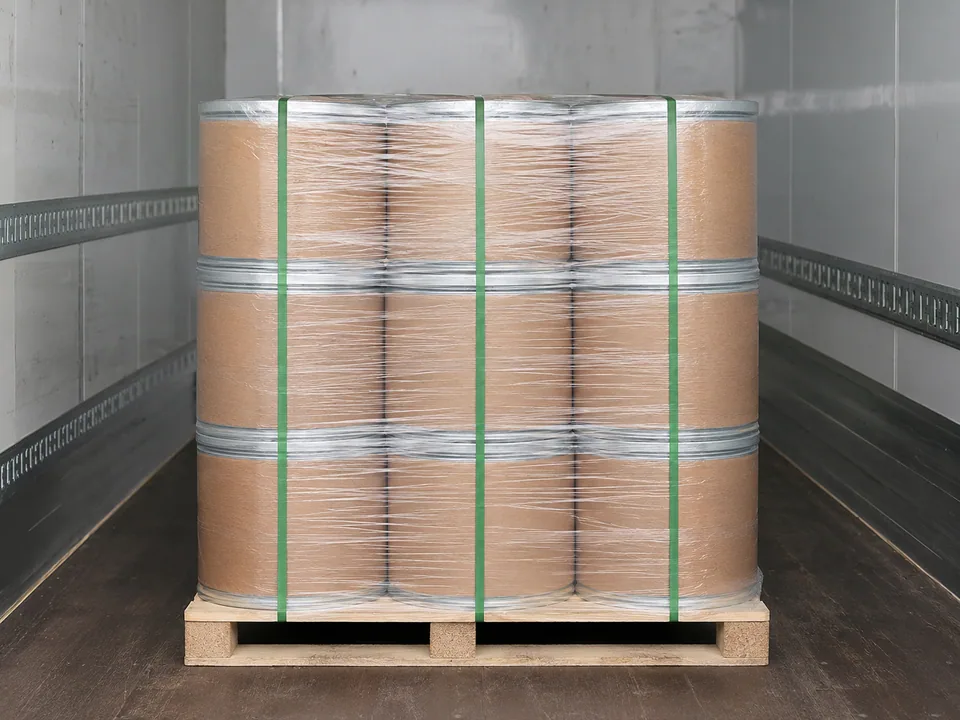
Standard packaging typically includes drums or lined bags in various sizes suited to bulk industrial shipment; alternative packaging can be discussed for specific order requirements.
What is the minimum order quantity (MOQ), and how do I get a quotation?+
MOQ and pricing depend on order volume, packaging, and destination; please contact our sales team with your target quantity and application to receive a formal quotation.
Why Choose PathGene
- Direct China manufacturer supply — factory pricing, no middleman
- Batch-specific COA & full traceability on every shipment
- In-house R&D + synthetic biology / enzymatic production platform
- Free sample for qualified B2B buyers before commercial order
- Flexible MOQ — from lab-scale trial to ton-scale commercial supply
- One-stop OEM/private-label support for finished dosage forms
- Worldwide shipping by courier, air freight, and sea freight
OEM & Private-Label Services
- ·Custom capsule manufacturing
- ·Custom tablet manufacturing
- ·Powder blending & custom formulation
- ·Private-label bottles, pouches & labels
- ·Small trial orders
- ·Bulk commercial production
- ·Export documentation
- ·Third-party laboratory testing
Documents Available
- ·Certificate of Analysis (COA)
- ·Product specification sheet
- ·Material Safety Data Sheet (MSDS)
- ·Manufacturing flow chart
- ·HPLC test report
- ·Heavy-metal test report
- ·Microbiological test report
- ·Non-GMO / allergen statement
- ·Country-of-origin documentation
- ·Packing list & commercial invoice
Certificate availability should be confirmed with our sales team before ordering.
Sample Certificate of Analysis
PathGene Biotech Co., Ltd.
南京派琪生物科技有限公司
CERTIFICATE OF ANALYSIS
Layout example — not an issued batch record
Product Name
SL
CAS No.
148409-20-5
Batch No.
PG-SAMPLE-000000
Packaging
Issued upon order confirmation
| Test Item | Specification | Result |
|---|---|---|
| Appearance | Off-white to light yellow viscous liquid or powder | Conforms |
| Odor | Characteristic, no off-odor | Conforms |
| Purity (HPLC) | ≥90.0% | 91.8% |
| Acidic/Lactonic Congener Ratio | Report result | Approx. 50:50 |
| pH (1% aqueous dispersion) | 4.0-7.0 | 5.6 |
| Loss on Drying (Moisture) | ≤10.0% | 6.5% |
| Lead (Pb) | ≤10 mg/kg | <2 mg/kg |
| Arsenic (As) | ≤2 mg/kg | <1 mg/kg |
| Mercury (Hg) | ≤1 mg/kg | <0.5 mg/kg |
| Cadmium (Cd) | ≤1 mg/kg | <0.5 mg/kg |
| Total Plate Count | ≤1000 CFU/g | <100 CFU/g |
| Yeast & Mold | ≤100 CFU/g | <10 CFU/g |
| E. coli | Negative/25 g | Negative |
| Salmonella | Negative/25 g | Negative |
Conclusion: Conforms to internal quality specifications
The COA issued with your order will carry the actual batch number, manufacture/test dates, and QC signature.
Interested in SL?
Our R&D team will respond to your inquiry or sample request within 24 hours.