NADP⁺
Nicotinamide Adenine Dinucleotide Phosphate Disodium Salt

Key Specifications
| CAS Number | 24292-60-2 |
| Purity | ≥97.0% |
| Molecular Formula | C₂₁H₂₆N₇O₁₇P₃·2Na |
| Molecular Weight | 787.37 g/mol |
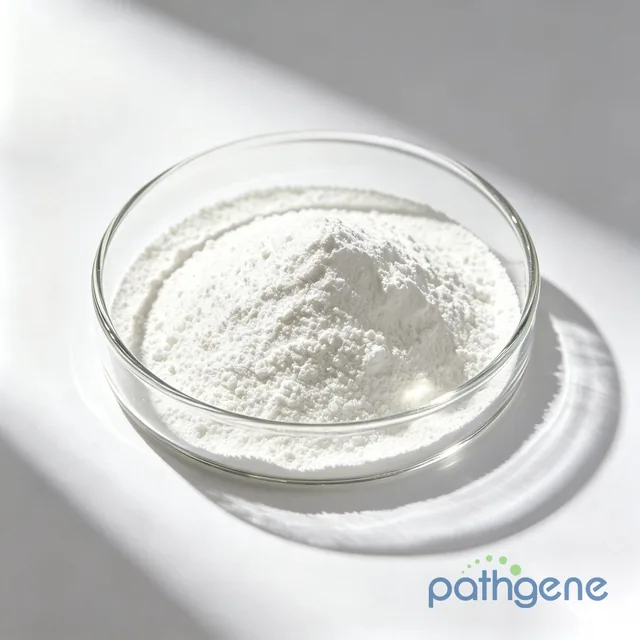
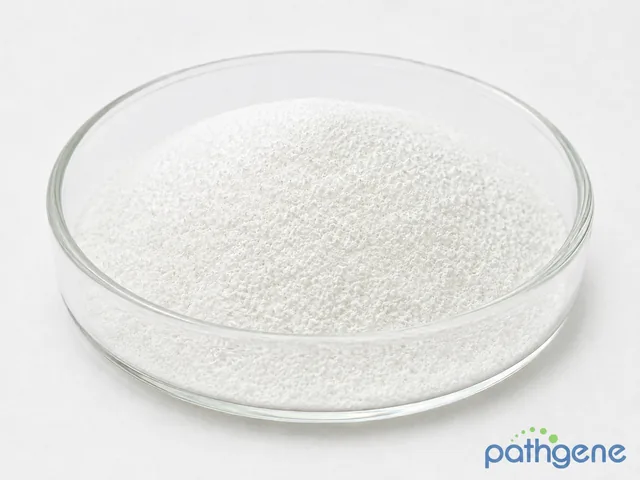
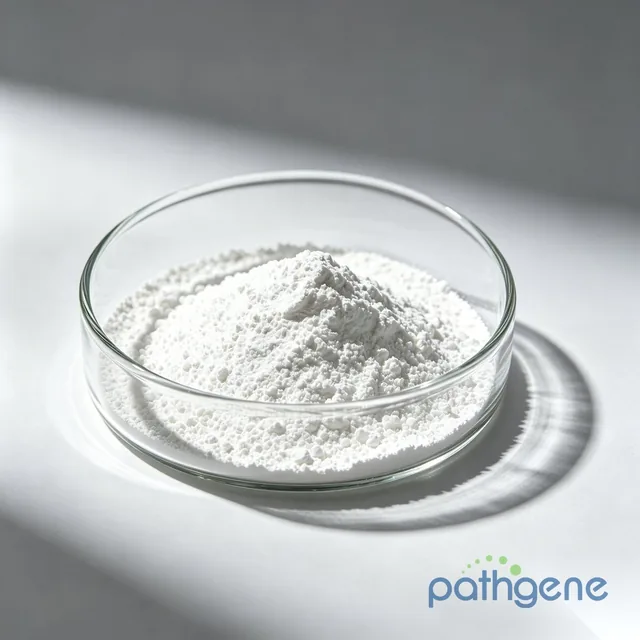
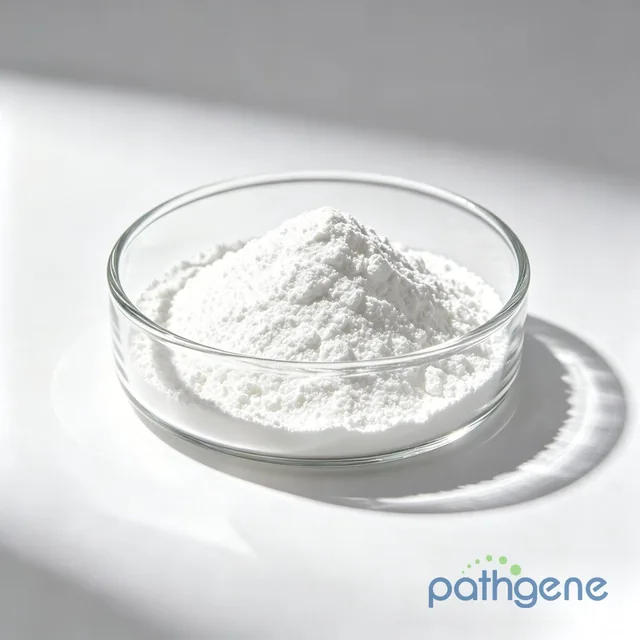
| Appearance | White to off-white powder |
| Solubility | Soluble in water |
| Storage | ≤-20°C, protect from light |
| Shelf Life | 18 months |
CAS 24292-60-2
What Is NADP⁺?
Nicotinamide adenine dinucleotide phosphate disodium salt (NADP+ disodium salt, CAS 24292-60-2) is the oxidized, water-soluble sodium form of NADP+, a dinucleotide coenzyme (C21H26N7O17P3·2Na, MW 787.37 g/mol) composed of an adenylic acid unit and a nicotinamide ribonucleotide unit joined by a pyrophosphate bridge, with an extra phosphate group on the 2'-position of the adenosine ribose that distinguishes it from NAD+. NADP+/NADPH occurs in virtually all living cells, where it serves as the principal electron carrier for reductive biosynthesis (fatty acid, cholesterol, and nucleotide synthesis) and for maintaining cellular antioxidant defense systems. Commercial bulk material is not isolated directly from natural sources; it is manufactured via a biocatalytic route in which microbially derived NAD+ is enzymatically phosphorylated by NAD kinase, then purified, converted to the sodium salt, and crystallized and dried into a stable powder.
Other Names
Key Features
High-Purity, Batch-Verified Assay
Every batch is assayed by HPLC to confirm purity of ≥97.0%, with a certificate of analysis issued per lot so buyers can verify potency before use in sensitive enzymatic or research applications.
Controlled Enzymatic Production Route
Produced on our synthetic biology and enzymatic conversion platform via NAD kinase-catalyzed phosphorylation of microbially derived NAD+, with tightly controlled reaction, purification, and crystallization parameters for consistent lot-to-lot quality.
Consistent White to Off-White Powder
Supplied as a free-flowing white to off-white powder with uniform particle size, facilitating accurate weighing, dissolution, and downstream formulation handling.
Rigorous Contaminant Testing
Each batch is screened for heavy metals (Pb, As, Hg, Cd) and microbial limits (total plate count, yeast/mold, E. coli, Salmonella) to ensure the material meets food- and lab-grade safety expectations.
Flexible Bulk and OEM Supply
Available in flexible bulk quantities with customizable packaging, labeling, and OEM/private-label options to support both trial orders and long-term commercial supply agreements.
| Molecular Formula | C₂₁H₂₆N₇O₁₇P₃·2Na |
| Molecular Weight | 787.37 g/mol |
| Appearance | White to off-white powder |
| Solubility | Soluble in water |
| Storage Condition | ≤-20°C, protect from light |
| Shelf Life | 18 months |
| Grade 1 | Industrial Grade · ≥97.0% · COA |
End-Product Applications
Mechanism & Benefits
Key coenzyme in biosynthesis. Regulates oxidoreduction reactions and facilitates enzyme-catalyzed processes.
Packaging Options
100 g 500 g 1 kg
Lead Time
7–10 business days
Minimum Order
100 g
Custom Packaging
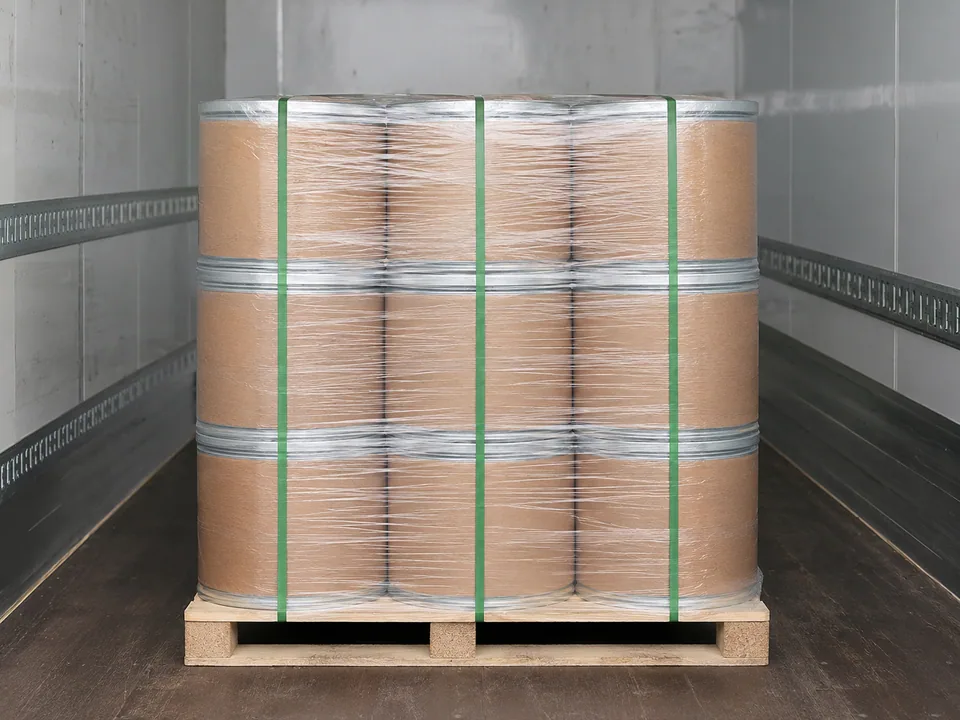
Custom packaging (foil bags, HDPE drums), GMP labeling, and export documentation are available. Contact us for specifics.Certifications
ISO9001
ISO 9001
Manufacturing Process
Microbial Fermentation of NAD+ Precursor
An engineered microbial strain is fermented under controlled conditions to biosynthesize nicotinamide adenine dinucleotide (NAD+), the direct substrate for NADP+ production.
NAD+ Extraction and Primary Purification
Fermentation broth is clarified and NAD+ is extracted and partially purified through cell lysis, filtration, and initial chromatographic separation.
Enzymatic Phosphorylation (NAD Kinase)
Purified NAD+ is converted to NADP+ through biocatalytic phosphorylation using NAD kinase, with ATP or inorganic polyphosphate serving as the phosphate donor under an ATP-regeneration or poly(P)-driven system.
Reaction Termination and Clarification
The enzymatic reaction is quenched and the mixture is clarified to remove residual enzyme, biomass, and unreacted substrates.
Chromatographic Purification
NADP+ is isolated from the reaction mixture using ion-exchange chromatography to separate it from NAD+, ADP, phosphate salts, and other reaction by-products.
Sodium Salt Formation and Crystallization
The purified NADP+ fraction is converted to its disodium salt form under controlled pH and ionic conditions and crystallized to achieve the desired form and particle characteristics.
Concentration and Drying
The crystallized product is concentrated and dried, typically by vacuum or freeze-drying, to obtain a stable, low-moisture powder while minimizing thermal degradation of the labile dinucleotide structure.
Milling, Blending, and Packaging
The dried material is milled to target particle size, blended for lot homogeneity, and packaged under controlled humidity in moisture-barrier containers.
Quality Specifications
| Test Item | Specification | Result |
|---|---|---|
| Appearance | White to off-white powder | Conforms |
| Odor | Odorless | Conforms |
| Assay (HPLC, dry basis) | ≥97.0% | 97.6% |
| pH (1% aqueous solution) | 6.0-8.0 | 7.2 |
| Loss on drying | ≤8.0% | 5.8% |
| Solubility | Clear, soluble in water | Conforms |
| Heavy metals (Pb) | ≤10 ppm | <5 ppm |
| Arsenic (As) | ≤2 ppm | <1 ppm |
| Mercury (Hg) | ≤1 ppm | <0.5 ppm |
| Cadmium (Cd) | ≤1 ppm | <0.5 ppm |
| Total plate count | ≤1000 CFU/g | 300 CFU/g |
| Yeast and mold | ≤100 CFU/g | <10 CFU/g |
| E. coli | Negative/25g | Negative |
| Salmonella | Negative/25g | Negative |
Purity & Assay Method
Purity is determined by reverse-phase HPLC with UV detection (typically 254-260 nm), comparing sample peak area against a reference NADP+ standard on a dry-weight basis. Because NADP+ is sensitive to pH extremes, light, and elevated temperature, buyers should request the lot-specific certificate of analysis and confirm the HPLC method, reference standard, and storage conditions used, especially if the material will be re-tested with in-house or third-party equipment.
Solubility & Formulation
NADP+ disodium salt is readily soluble in water, forming a clear, colorless to pale yellow solution suitable for use in enzymatic assay buffers, cell-free reaction systems, and research-grade formulations. Aqueous solutions are best prepared fresh or stored refrigerated and protected from light, as NADP+ can gradually degrade under prolonged exposure to heat, low pH, or UV light; for buffered applications, a mildly alkaline to neutral pH (around 7-8) generally supports better solution stability.
Available Product Forms
Bulk NADP⁺ Powder
High-purity raw powder for supplement factories, research organizations, ingredient distributors, and contract manufacturers.
NADP⁺ Capsules
Custom capsule strength, shell material, bottle count, excipients, and label design for private-label brands.
NADP⁺ Tablets
Tablet formulation, granulation, compression, coating, bottle packaging, and custom labeling support.
NADP⁺ Powder Blends
NADP⁺ can be blended with complementary actives (antioxidants, other longevity ingredients, vitamins, minerals) per customer formula.
Can you confirm the exact purity and specification of each batch before shipment?+
Yes. Each production lot is tested in-house by HPLC and accompanied by a certificate of analysis covering purity, appearance, pH, loss on drying, heavy metals, and microbial limits, which we share with customers prior to or at shipment.
How is this NADP+ disodium salt actually produced — is it fermentation, chemical synthesis, or extraction?+
It is produced via a biocatalytic route on our enzymatic conversion platform: NAD+ is first obtained through microbial fermentation, then enzymatically phosphorylated to NADP+ using NAD kinase, followed by purification, sodium salt formation, and crystallization. It is not chemically synthesized from petrochemical feedstocks nor extracted directly from plant or animal tissue.
How well does it dissolve, and are there any formulation precautions?+
It is readily soluble in water, forming a clear solution. Because NADP+ is sensitive to heat, low pH, and prolonged light exposure, we recommend preparing solutions fresh, storing them refrigerated and protected from light, and working within a near-neutral to mildly alkaline pH range for best stability.
Can we request a sample before placing a bulk order?+
Yes, small trial samples are available on request so you can verify purity, solubility, and performance in your own application before committing to a bulk purchase order.
Will you support independent third-party testing of the material?+
Yes. In addition to our in-house certificate of analysis, we support customers sending samples to accredited third-party laboratories for independent verification of purity, heavy metals, and microbial limits.
Do you offer OEM or private-label packaging?+
Yes, we offer OEM and private-label options, including custom packaging sizes, labeling, and documentation to align with your brand and regulatory requirements.
What packaging options are available for bulk orders?+
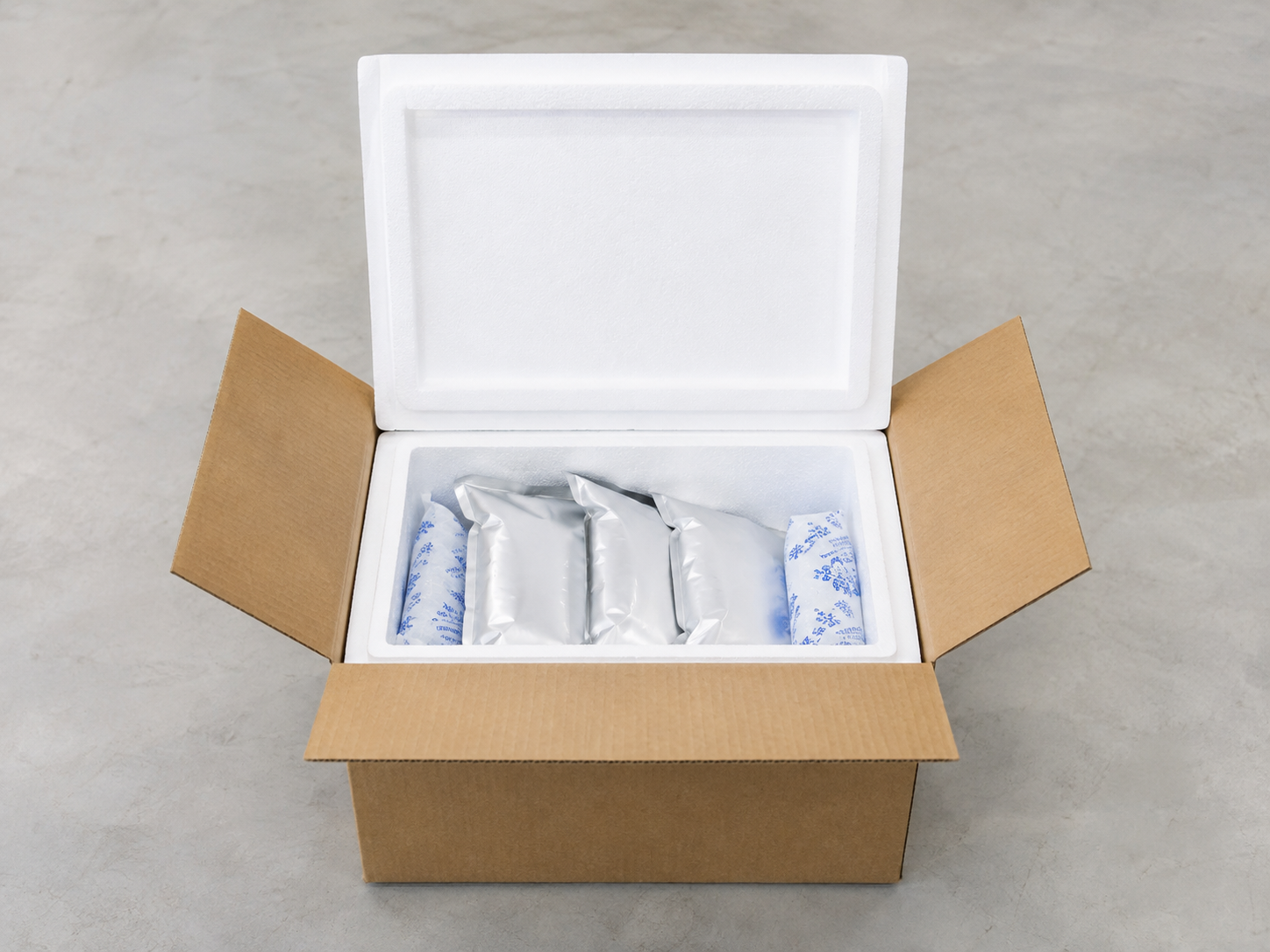
Standard packaging includes moisture-barrier bags or drums in various weights suitable for cold-chain-free ambient shipping, with additional protective packaging (desiccant, foil liners) available on request for sensitive or long-distance shipments.
What is the minimum order quantity, and how do we get a quotation?+
MOQ varies by packaging format and intended use; please share your target quantity, purity requirement, and destination so our team can prepare a tailored quotation and lead time.
Why Choose PathGene
- Direct China manufacturer supply — factory pricing, no middleman
- Batch-specific COA & full traceability on every shipment
- In-house R&D + synthetic biology / enzymatic production platform
- Free sample for qualified B2B buyers before commercial order
- Flexible MOQ — from lab-scale trial to ton-scale commercial supply
- One-stop OEM/private-label support for finished dosage forms
- Worldwide shipping by courier, air freight, and sea freight
OEM & Private-Label Services
- ·Custom capsule manufacturing
- ·Custom tablet manufacturing
- ·Powder blending & custom formulation
- ·Private-label bottles, pouches & labels
- ·Small trial orders
- ·Bulk commercial production
- ·Export documentation
- ·Third-party laboratory testing
Documents Available
- ·Certificate of Analysis (COA)
- ·Product specification sheet
- ·Material Safety Data Sheet (MSDS)
- ·Manufacturing flow chart
- ·HPLC test report
- ·Heavy-metal test report
- ·Microbiological test report
- ·Non-GMO / allergen statement
- ·Country-of-origin documentation
- ·Packing list & commercial invoice
Certificate availability should be confirmed with our sales team before ordering.
Sample Certificate of Analysis
PathGene Biotech Co., Ltd.
南京派琪生物科技有限公司
CERTIFICATE OF ANALYSIS
Layout example — not an issued batch record
Product Name
NADP⁺
CAS No.
24292-60-2
Batch No.
PG-SAMPLE-000000
Packaging
Issued upon order confirmation
| Test Item | Specification | Result |
|---|---|---|
| Appearance | White to off-white powder | Conforms |
| Odor | Odorless | Conforms |
| Assay (HPLC, dry basis) | ≥97.0% | 97.6% |
| pH (1% aqueous solution) | 6.0-8.0 | 7.2 |
| Loss on drying | ≤8.0% | 5.8% |
| Solubility | Clear, soluble in water | Conforms |
| Heavy metals (Pb) | ≤10 ppm | <5 ppm |
| Arsenic (As) | ≤2 ppm | <1 ppm |
| Mercury (Hg) | ≤1 ppm | <0.5 ppm |
| Cadmium (Cd) | ≤1 ppm | <0.5 ppm |
| Total plate count | ≤1000 CFU/g | 300 CFU/g |
| Yeast and mold | ≤100 CFU/g | <10 CFU/g |
| E. coli | Negative/25g | Negative |
| Salmonella | Negative/25g | Negative |
Conclusion: Conforms to internal quality specifications
The COA issued with your order will carry the actual batch number, manufacture/test dates, and QC signature.
Related Products


NRHM
Nicotinamide Riboside Hydrogen Malate
Interested in NADP⁺?
Our R&D team will respond to your inquiry or sample request within 24 hours.