Combination / selection rationale: NADH supplies a reduced cofactor, while Q10 participates in electron transfer. A combined enteric-tablet study offers a practical reference for pairing a reduced ingredient with a lipophilic partner.
Published evidence / source details: A 2021 randomized study enrolled 207 patients with ME/CFS for eight weeks of supplementation and four weeks of follow-up. Methods describe four daily enteric tablets providing 200 mg Q10 and 20 mg NADH, with PS and vitamin C also listed among excipients. Selected fatigue scores improved within the active group; several quality-of-life domains did not differ significantly between groups.
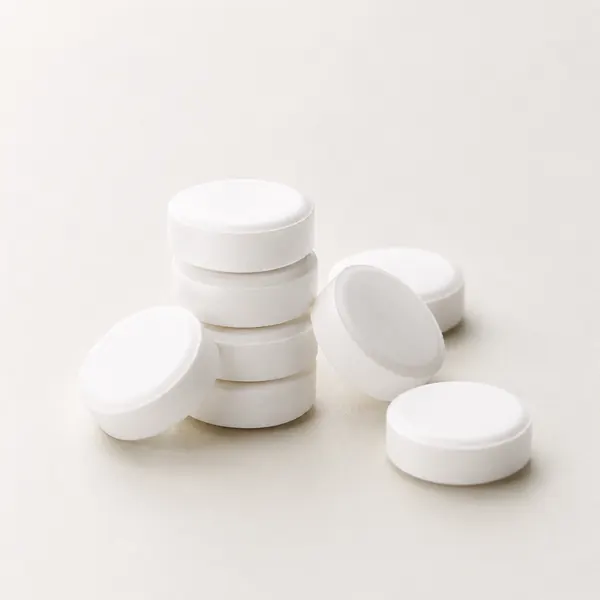
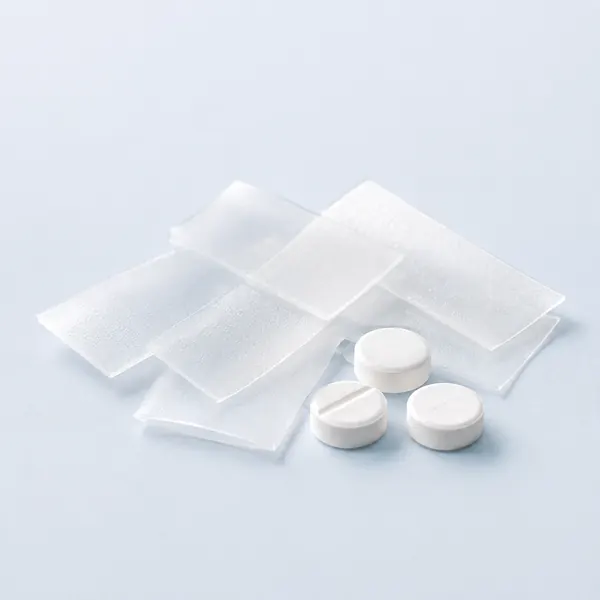
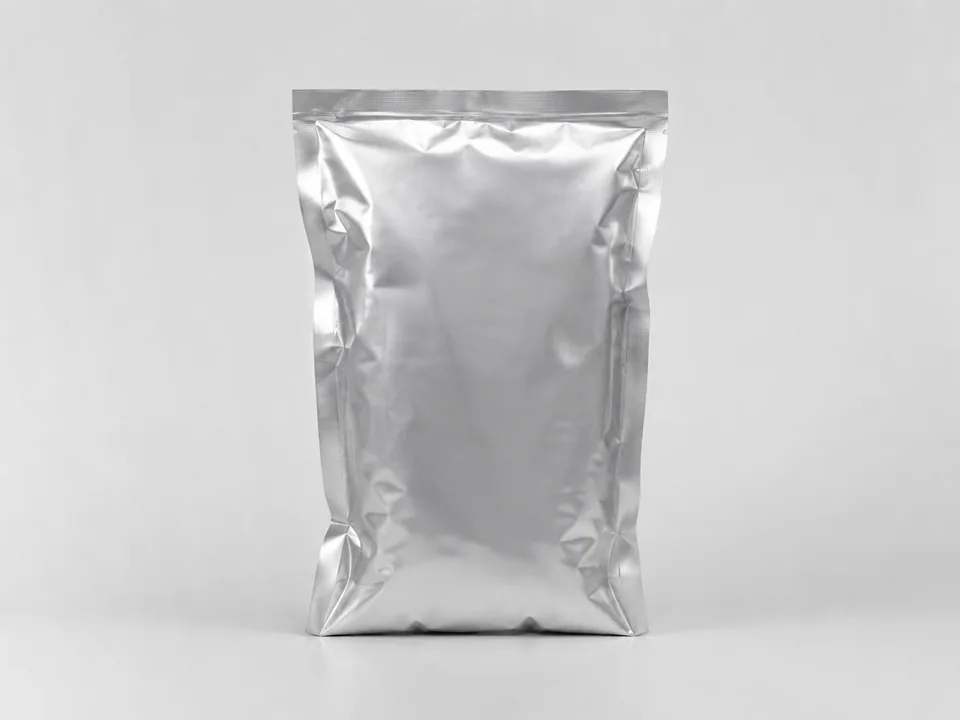
Development insights: Compare enteric tablets with conventional capsules and monitor NADH oxidation to NAD⁺ during stability testing. Assay NADH, oxidation products and Q10 separately while assessing moisture, oxygen exposure, coating and oxygen-barrier packaging. Changing PS, vitamin C or other components creates a new formulation. Total active mass alone does not determine fill feasibility.
Evidence scope: A study in a defined patient population using a formulated enteric tablet; it does not establish general anti-fatigue benefits in healthy people or two-ingredient synergy. Amounts describe the study.
2021 · Castro-Marrero et al. · CoQ10 + NADH trial · DOI 10.3390/nu13082658 ↗