GABA
Gamma-Aminobutyric Acid

Key Specifications
| CAS Number | 56-12-2 |
| Purity | ≥98.0% |
| Molecular Formula | C₄H₉NO₂ |
| Molecular Weight | 103.12 g/mol |
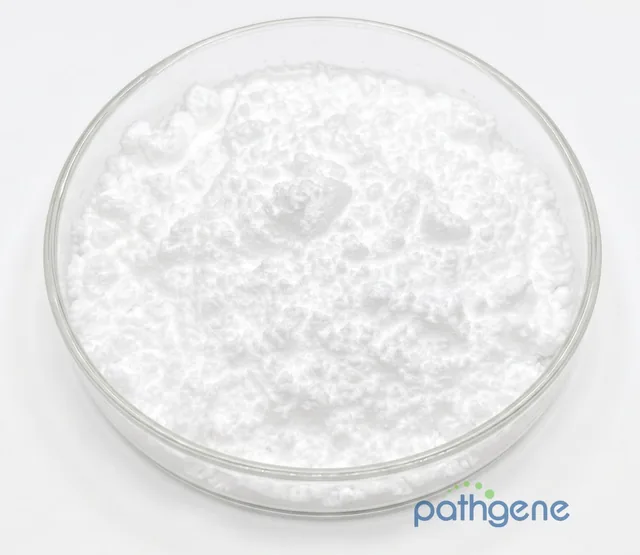
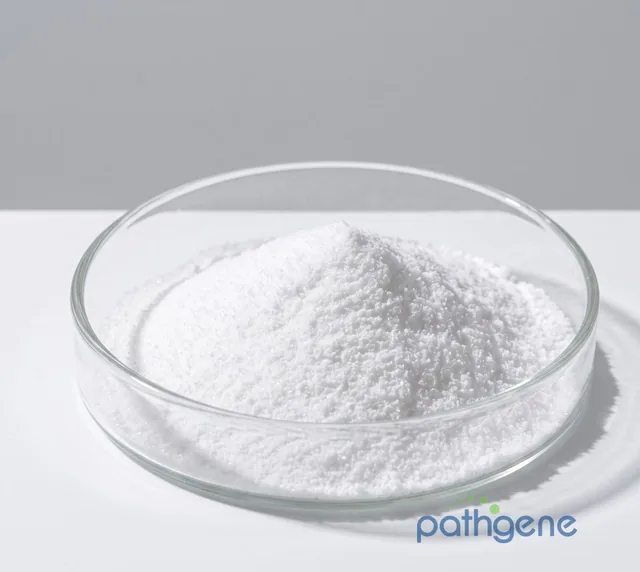
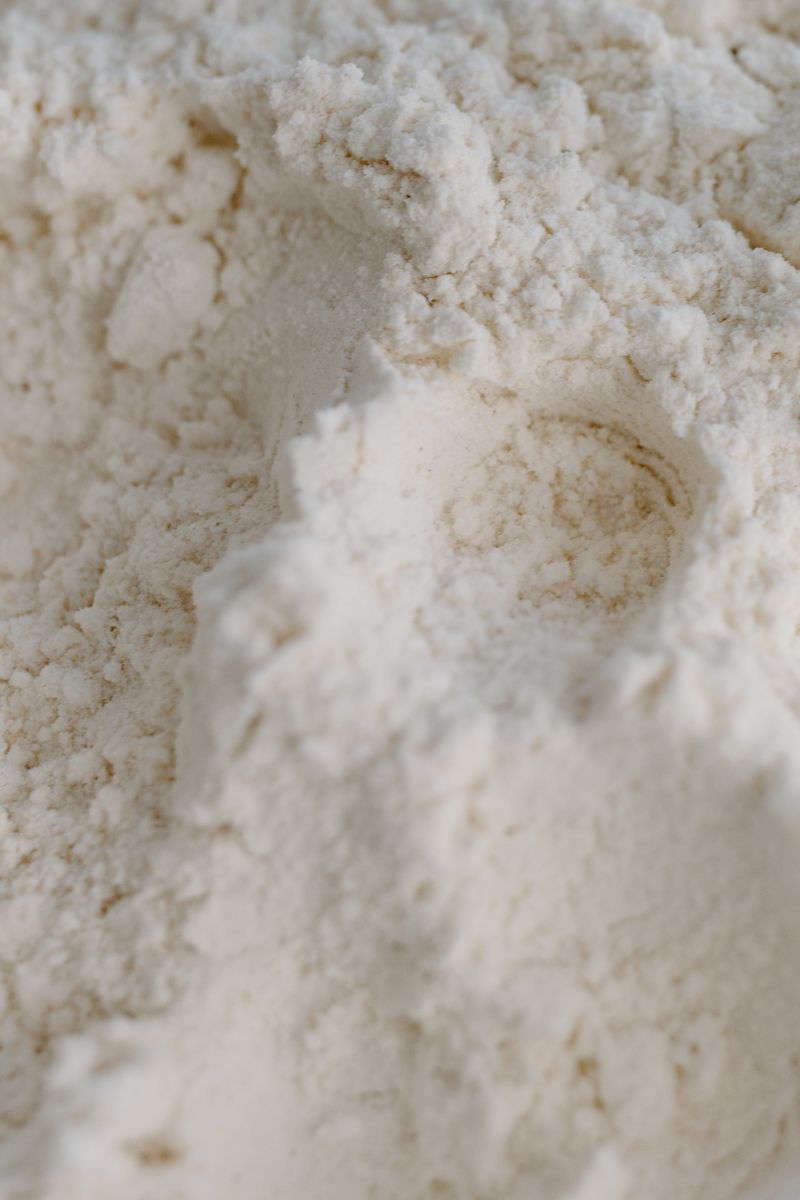
| Appearance | White crystalline powder |
| Solubility | Freely soluble in water |
| Storage | Room temperature, dry |
| Shelf Life | 36 months |
CAS 56-12-2
What Is GABA?
Gamma-aminobutyric acid (GABA, CAS 56-12-2) is a small non-protein amino acid with the molecular formula C4H9NO2 and a molecular weight of 103.12 g/mol. It occurs naturally in the mammalian central nervous system, in many plants, and in fermented foods, where it acts as the principal inhibitory neurotransmitter. Structurally it consists of a four-carbon chain terminating in an amino group and a carboxylic acid group, giving the purified material high water solubility and a white crystalline appearance. Commercial bulk GABA is produced almost exclusively by microbial fermentation and bioconversion: food-grade lactic acid bacteria such as Lactobacillus hilgardii express glutamate decarboxylase (GAD), an enzyme that decarboxylates L-glutamic acid (or monosodium glutamate) into GABA under controlled acidic fermentation conditions. The resulting broth is then clarified, purified, crystallized, and dried into food- and pharmaceutical-grade powder.
Other Names
Key Features
High Purity, ≥98.0%
Each batch is assayed to confirm purity of 98.0% or higher, meeting the requirements for food-grade and pharma-intermediate applications under our ISO9001 quality system.
Controlled Fermentation Production
Produced via Lactobacillus hilgardii fermentation with enzymatic (GAD) conversion of L-glutamic acid, using qualified starter cultures and defined raw-material specifications for consistent batch-to-batch quality.
White Crystalline Powder
Uniform white crystalline powder with consistent particle size, free-flowing and easy to handle in downstream blending, encapsulation, or granulation processes.
Rigorous Contaminant Testing
Every batch is screened for heavy metals (Pb, As, Hg, Cd) and microbial limits (total plate count, yeast/mold, E. coli, Salmonella) in line with GB 1903.15-2019 and ISO requirements.
Flexible Bulk & OEM Supply
Available in flexible bulk quantities with customizable packaging, labeling, and private-label (OEM/ODM) options to fit food, supplement, and pharmaceutical customer needs.
| Molecular Formula | C₄H₉NO₂ |
| Molecular Weight | 103.12 g/mol |
| Appearance | White crystalline powder |
| Solubility | Freely soluble in water |
| Storage Condition | Room temperature, dry |
| Shelf Life | 36 months |
| Grade 1 | Food Grade · ≥98.0% · GB Standard |
| Grade 2 | Supplement Grade · ≥99.0% · COA |
End-Product Applications
Mechanism & Benefits
Fermentation-derived (L. hilgardii). Natural inhibitory neurotransmitter, supports relaxation, sleep quality and stress reduction.
Packaging Options
25 kg
Lead Time
3–5 business days
Minimum Order
25 kg
Custom Packaging
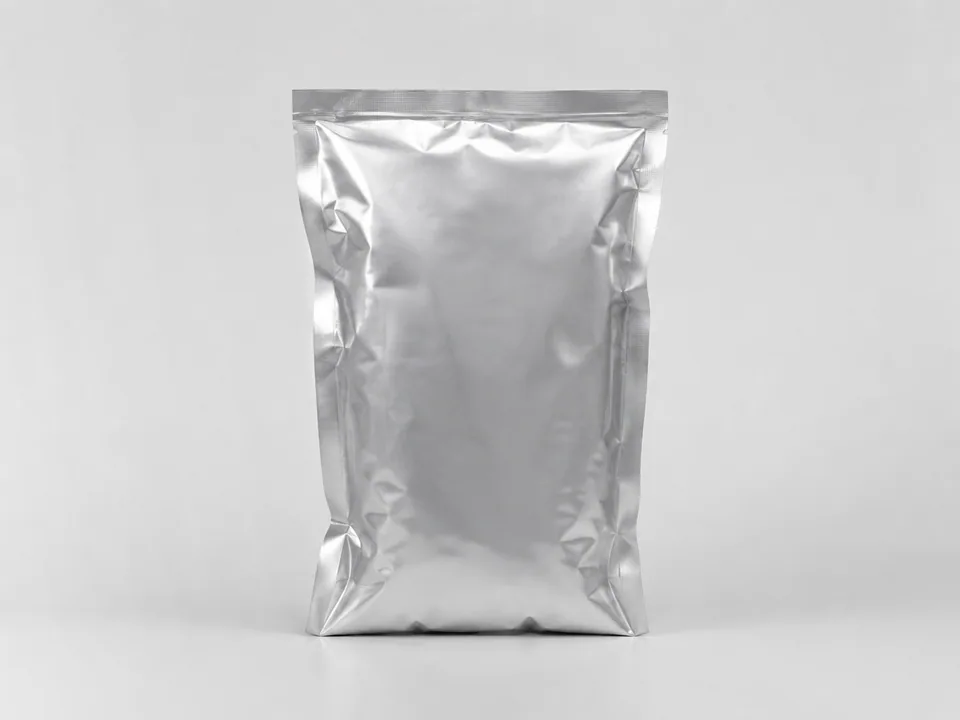
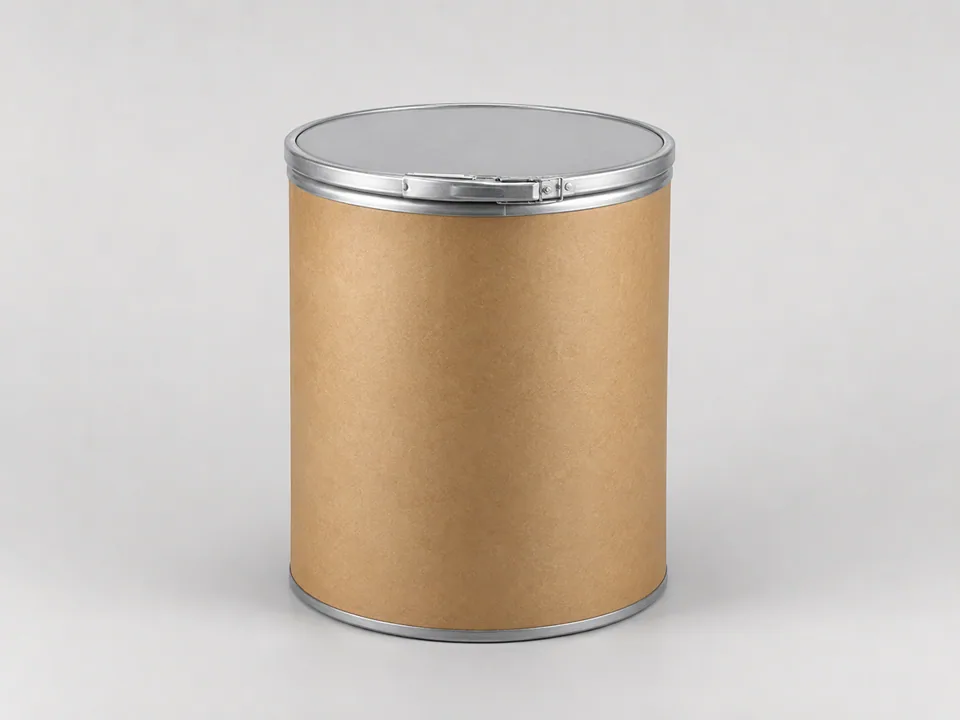
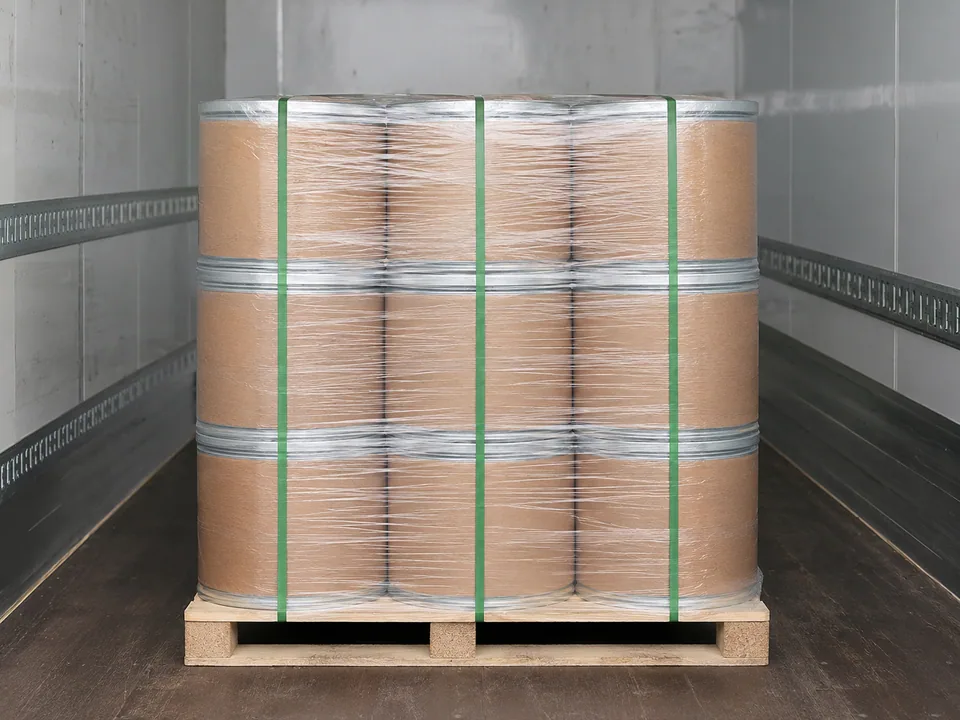
Custom packaging (foil bags, HDPE drums), GMP labeling, and export documentation are available. Contact us for specifics.Certifications
ISO
ISO
ISO9001
ISO 9001
GB
GB National
Manufacturing Process
Strain Activation & Seed Culture
A qualified Lactobacillus hilgardii production strain is revived from the strain bank and expanded through seed culture stages under controlled temperature and nutrient conditions.
Substrate & Fermentation Medium Preparation
L-glutamic acid or monosodium glutamate is dissolved as the substrate along with carbon source, nitrogen source, and cofactors (e.g., pyridoxal-5'-phosphate) needed to support GAD enzyme activity.
Enzymatic Bioconversion Fermentation
The seed culture is inoculated into the main fermenter, where GAD expressed by the bacteria decarboxylates L-glutamate into GABA under controlled acidic pH, temperature, and agitation over a multi-day fermentation cycle.
Biomass Separation
Fermentation broth is separated from bacterial cells and insoluble solids by centrifugation and/or membrane filtration to yield a clarified GABA-rich liquor.
Purification (Ion Exchange & Decolorization)
The clarified liquor is passed through ion-exchange resin to remove residual glutamate, salts, and by-products, followed by activated-carbon decolorization to remove pigments.
Concentration & Crystallization
The purified solution is concentrated under vacuum and cooled to induce crystallization of GABA, followed by separation of the crystals from the mother liquor.
Drying & Milling
Wet crystals are dried to the target moisture level and milled to achieve a uniform white crystalline powder with consistent particle size.
Quality Testing & Packaging
Finished powder is sampled for full quality-control testing (assay, appearance, heavy metals, microbial limits) before being packed under controlled conditions for shipment.
Quality Specifications
| Test Item | Specification | Result |
|---|---|---|
| Appearance | White crystalline powder | Conforms |
| Assay (HPLC) | ≥98.0% | 98.6% |
| Particle Size | ≥95% through 80 mesh (180 μm) | 98.2% pass |
| Loss on Drying | ≤0.50% | 0.28% |
| Sulfated Ash | ≤0.30% | 0.12% |
| pH (1% aqueous solution) | 6.0–7.5 | 6.8 |
| Lead (Pb) | ≤2 mg/kg | <1 mg/kg |
| Arsenic (As) | ≤2 mg/kg | <1 mg/kg |
| Mercury (Hg) | ≤1 mg/kg | <0.1 mg/kg |
| Cadmium (Cd) | ≤1 mg/kg | <0.5 mg/kg |
| Total Plate Count | ≤1000 CFU/g | <100 CFU/g |
| Yeast & Mold | ≤100 CFU/g | <10 CFU/g |
| E. coli | Negative/25 g | Negative |
| Salmonella | Negative/25 g | Negative |
Purity & Assay Method
Because GABA lacks a strong native UV chromophore, purity is typically confirmed by HPLC with pre-column derivatization (e.g., OPA or dansyl chloride) or by pharmacopeia-style non-aqueous acid-base titration, either of which is suitable for routine batch release testing. Buyers should confirm the exact assay method, reference standard, and column/derivatization conditions used on the Certificate of Analysis, and are welcome to request the full CoA or submit samples for independent third-party verification before large orders.
Solubility & Formulation
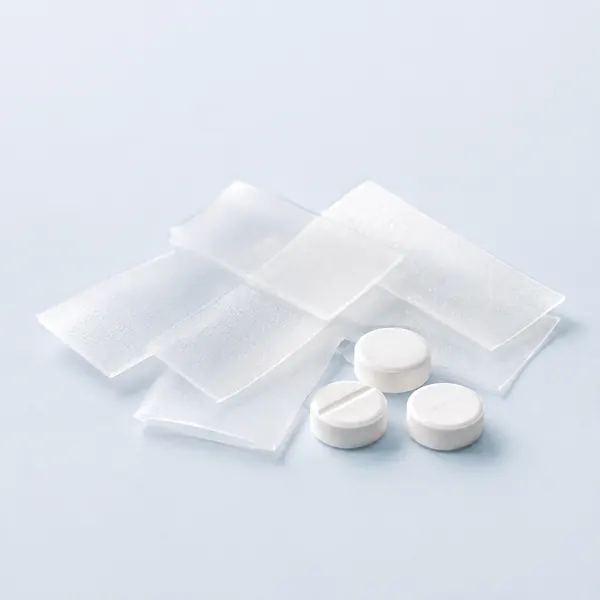
GABA is freely soluble in water, readily forming clear solutions at typical use levels (roughly 1-10% w/v) suitable for functional beverages, effervescent tablets, and liquid formulations. For solid dosage forms, the crystalline powder blends well directly into tablets, capsules, sachets, and granulated powders. Because GABA is an amino acid, it may undergo Maillard browning reactions with reducing sugars under heat or prolonged storage, so formulators are advised to run compatibility, stability, and shelf-life testing under their specific process conditions (pH, temperature, co-ingredients) before finalizing a formulation.
Available Product Forms
Bulk GABA Powder
High-purity raw powder for supplement factories, research organizations, ingredient distributors, and contract manufacturers.
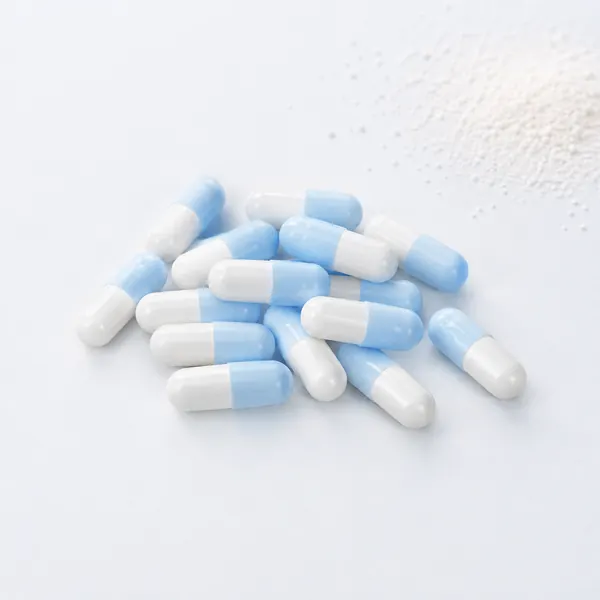
GABA Capsules
Custom capsule strength, shell material, bottle count, excipients, and label design for private-label brands.
GABA Tablets
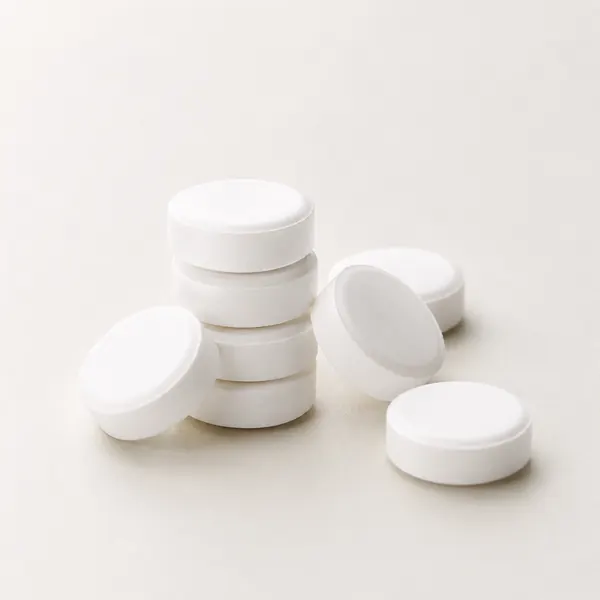
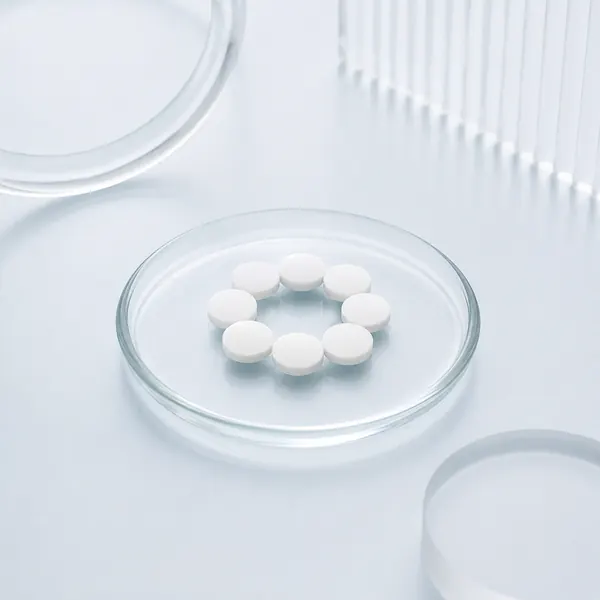
Tablet formulation, granulation, compression, coating, bottle packaging, and custom labeling support.
GABA Powder Blends
GABA can be blended with complementary actives (antioxidants, other longevity ingredients, vitamins, minerals) per customer formula.
How can I confirm the purity and specifications before placing an order?+
We provide a Certificate of Analysis (CoA) for every batch showing assay, appearance, heavy metals, and microbial results. We can also send pre-shipment samples so you can run your own in-house testing or verify against your internal specifications.
How is this GABA produced, and what is the raw material source?+
It is produced by controlled fermentation using Lactobacillus hilgardii, which expresses glutamate decarboxylase (GAD) to convert L-glutamic acid/monosodium glutamate into GABA. This is a biological (non-chemical-synthesis) route consistent with food-grade production standards.
What is the solubility of this GABA, and how should it be formulated?+
GABA is freely soluble in water and works well in beverages, effervescent tablets, capsules, and powder blends. We recommend compatibility and stability testing under your specific process conditions, especially with reducing sugars and heat processing.
Can I request a free sample before committing to a bulk order?+
Yes, small samples are available for quality evaluation and formulation trials. Please contact our sales team with your intended application so we can recommend the appropriate sample size and documentation.
Is third-party testing available for this product?+
Yes, we support customers sending samples to independent third-party laboratories of their choice for verification of purity, heavy metals, and microbial limits prior to bulk purchase.
Do you offer OEM or private-label services?+
Yes, we offer OEM/ODM services including custom packaging, labeling, and formulation support for customers building their own branded finished products.
What packaging options are available?+
Standard packaging includes food-grade drums or bags (e.g., 25 kg) with inner moisture-protective liners; custom package sizes and labeling are available for OEM orders.
What is the minimum order quantity (MOQ) and how do I get a quotation?+
MOQ varies depending on order form (sample, trial batch, or full container), and pricing depends on quantity, packaging, and delivery terms. Please contact our sales team with your target volume and destination for a tailored quotation.
Why Choose PathGene
- Direct China manufacturer supply — factory pricing, no middleman
- Batch-specific COA & full traceability on every shipment
- In-house R&D + synthetic biology / enzymatic production platform
- Free sample for qualified B2B buyers before commercial order
- Flexible MOQ — from lab-scale trial to ton-scale commercial supply
- One-stop OEM/private-label support for finished dosage forms
- Worldwide shipping by courier, air freight, and sea freight
OEM & Private-Label Services
- ·Custom capsule manufacturing
- ·Custom tablet manufacturing
- ·Powder blending & custom formulation
- ·Private-label bottles, pouches & labels
- ·Small trial orders
- ·Bulk commercial production
- ·Export documentation
- ·Third-party laboratory testing
Documents Available
- ·Certificate of Analysis (COA)
- ·Product specification sheet
- ·Material Safety Data Sheet (MSDS)
- ·Manufacturing flow chart
- ·HPLC test report
- ·Heavy-metal test report
- ·Microbiological test report
- ·Non-GMO / allergen statement
- ·Country-of-origin documentation
- ·Packing list & commercial invoice
Certificate availability should be confirmed with our sales team before ordering.
Sample Certificate of Analysis
PathGene Biotech Co., Ltd.
南京派琪生物科技有限公司
CERTIFICATE OF ANALYSIS
Layout example — not an issued batch record
Product Name
GABA
CAS No.
56-12-2
Batch No.
PG-SAMPLE-000000
Packaging
Issued upon order confirmation
| Test Item | Specification | Result |
|---|---|---|
| Appearance | White crystalline powder | Conforms |
| Assay (HPLC) | ≥98.0% | 98.6% |
| Particle Size | ≥95% through 80 mesh (180 μm) | 98.2% pass |
| Loss on Drying | ≤0.50% | 0.28% |
| Sulfated Ash | ≤0.30% | 0.12% |
| pH (1% aqueous solution) | 6.0–7.5 | 6.8 |
| Lead (Pb) | ≤2 mg/kg | <1 mg/kg |
| Arsenic (As) | ≤2 mg/kg | <1 mg/kg |
| Mercury (Hg) | ≤1 mg/kg | <0.1 mg/kg |
| Cadmium (Cd) | ≤1 mg/kg | <0.5 mg/kg |
| Total Plate Count | ≤1000 CFU/g | <100 CFU/g |
| Yeast & Mold | ≤100 CFU/g | <10 CFU/g |
| E. coli | Negative/25 g | Negative |
| Salmonella | Negative/25 g | Negative |
Conclusion: Conforms to internal quality specifications
The COA issued with your order will carry the actual batch number, manufacture/test dates, and QC signature.
Related Products

Citicoline (CDP-Choline)


Interested in GABA?
Our R&D team will respond to your inquiry or sample request within 24 hours.