SAG
S-Acetyl-L-Glutathione

Key Specifications
| CAS Number | 3054-47-5 |
| Purity | ≥98.0% |
| Molecular Formula | C₁₂H₁₉N₃O₇S |
| Molecular Weight | 349.36 g/mol |
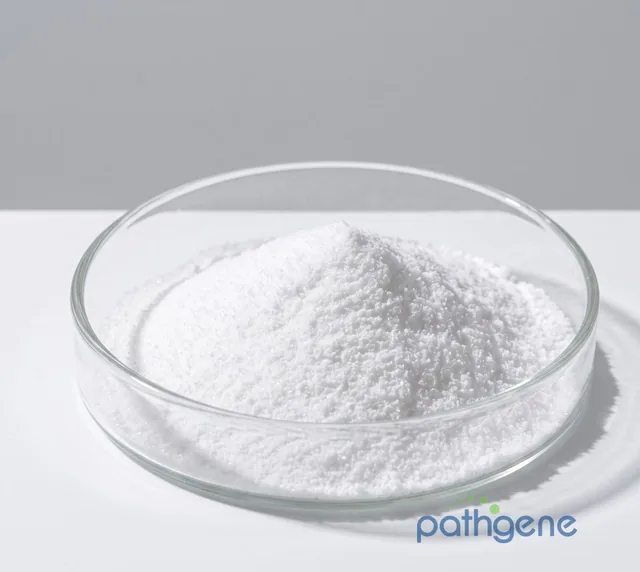
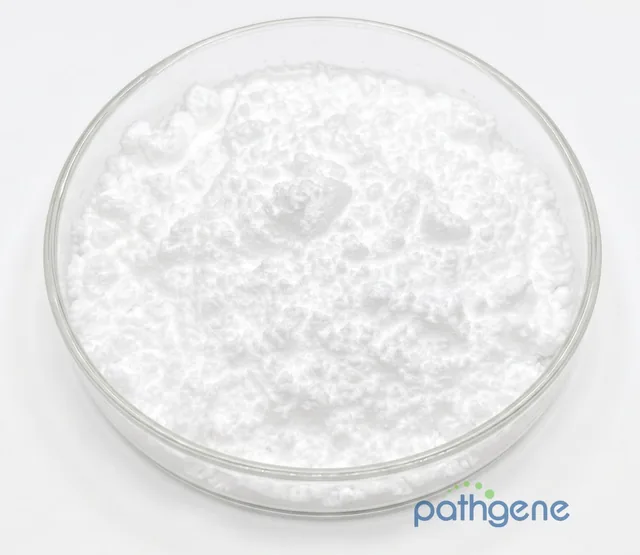
| Appearance | White to off-white powder |
| Solubility | Soluble in water |
| Storage | 2–8°C, protect from light |
| Shelf Life | 24 months |
CAS 3054-47-5
What Is SAG?
S-Acetyl-L-Glutathione (SAG, CAS 3054-47-5) is a chemically modified derivative of the tripeptide glutathione (γ-L-glutamyl-L-cysteinyl-glycine), in which an acetyl group is attached to the sulfur atom of the cysteine thiol. Molecular formula C12H19N3O7S, MW 349.36 g/mol. Free glutathione is ubiquitous in living cells as the principal intracellular antioxidant, but its reactive thiol is unstable and poorly absorbed orally; S-acetylation caps this thiol, giving a product not itself abundant in nature but designed for improved chemical stability and cellular uptake. Commercial bulk material is produced semi-synthetically: glutathione feedstock is first generated by microbial fermentation (e.g., Saccharomyces cerevisiae), extracted and purified, then selectively S-acetylated under controlled conditions, followed by crystallization and drying to a high-purity powder.
Other Names
Key Features
High-Purity Assurance (≥98.0% HPLC)
Every batch of PathGene S-Acetyl-L-Glutathione is manufactured to a minimum assay of ≥98.0% by HPLC, with tight control over residual free glutathione and oxidized glutathione (GSSG) to ensure consistent potency batch to batch.
Controlled Fermentation-to-Acetylation Route
Glutathione feedstock is produced via a validated microbial fermentation platform and converted to SAG through a tightly monitored chemoselective S-acetylation process, giving full traceability from raw material to finished ingredient.
Consistent White to Off-White Powder
SAG is supplied as a free-flowing white to off-white crystalline powder with controlled particle size and low residual moisture, supporting reliable weighing, blending, and downstream formulation.
Full Contaminant & Microbial Screening
Each lot is screened for heavy metals (Pb, Hg, Cd, As), microbial limits (total plate count, yeast/mold, E. coli, Salmonella), and residual solvents, with certificates of analysis available for every shipment.
Flexible Bulk & OEM Supply
Available in bulk drum/bag packaging or custom OEM/private-label formats, with flexible order quantities from sample size to multi-ton, supported by ISO-certified manufacturing.
| Molecular Formula | C₁₂H₁₉N₃O₇S |
| Molecular Weight | 349.36 g/mol |
| Appearance | White to off-white powder |
| Solubility | Soluble in water |
| Storage Condition | 2–8°C, protect from light |
| Shelf Life | 24 months |
| Grade 1 | Supplement Grade · ≥98.0% · COA |
End-Product Applications
Mechanism & Benefits
Enhanced-absorption glutathione precursor. Superior bioavailability, antioxidant, detoxification and liver protection.
Packaging Options
100 g 500 g 1 kg
Lead Time
7–10 business days
Minimum Order
100 g
Custom Packaging
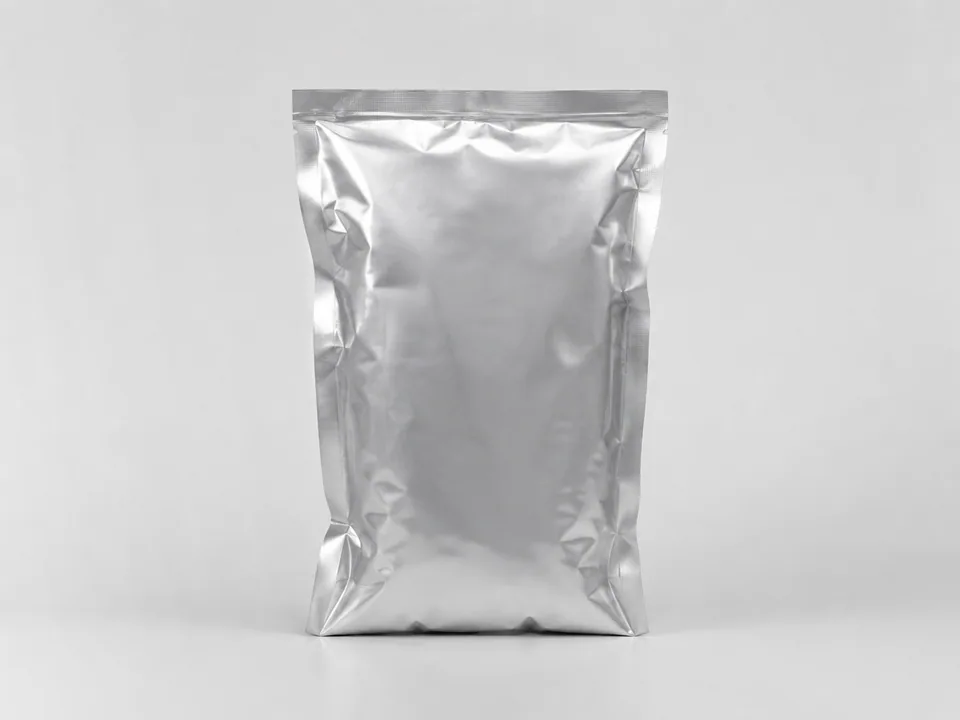
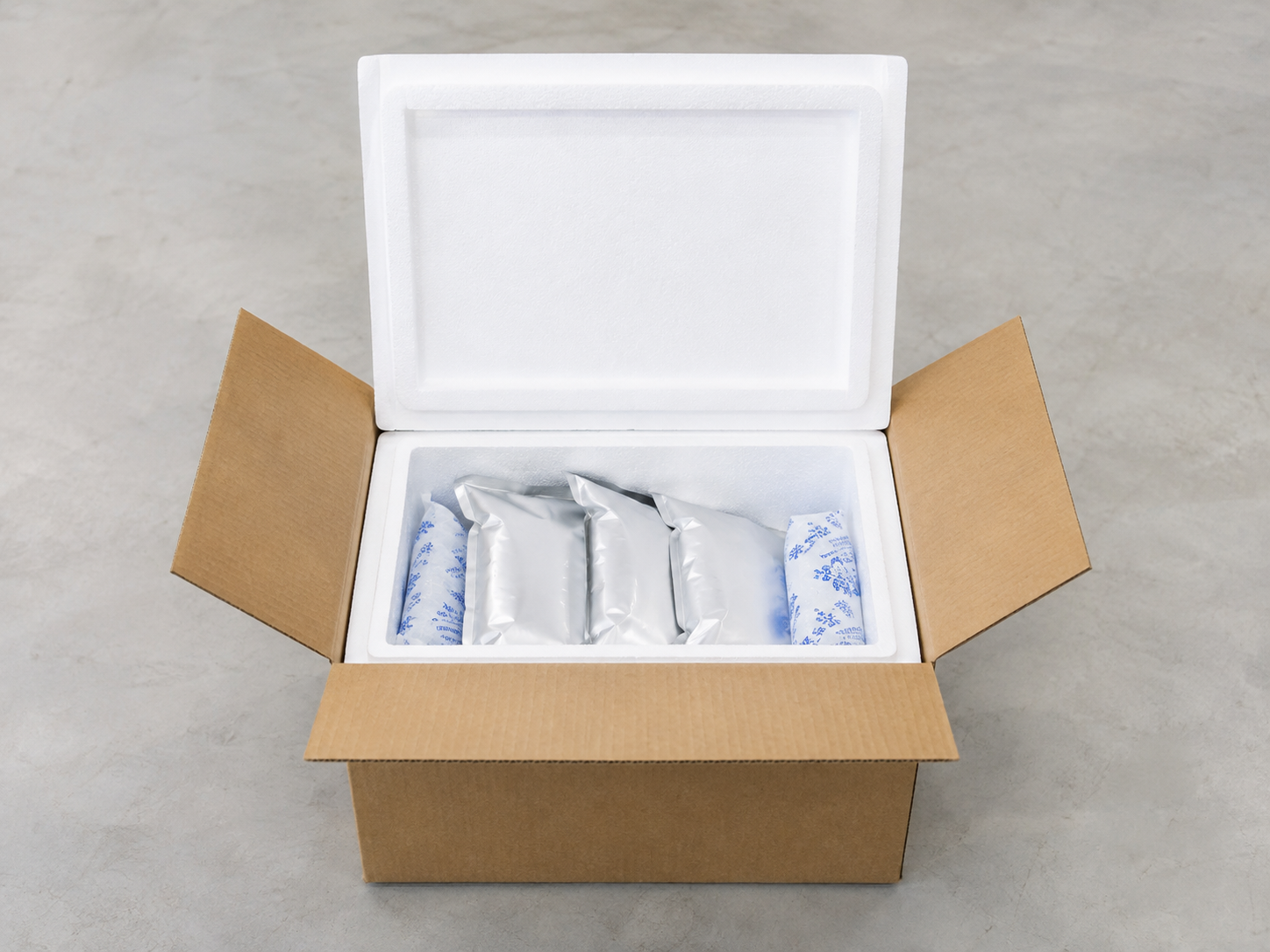
Custom packaging (foil bags, HDPE drums), GMP labeling, and export documentation are available. Contact us for specifics.Certifications
ISO
ISO
Manufacturing Process
Fermentation of Glutathione Feedstock
A high-yield strain of Saccharomyces cerevisiae (or comparable production microorganism) is cultivated in a fed-batch fermenter using glucose/molasses-based media, biosynthesizing reduced glutathione (GSH) intracellularly.
Cell Harvest & Disruption
Fermentation broth is separated to recover the yeast biomass, which is then disrupted (autolysis or mechanical homogenization) to release intracellular glutathione into solution.
Extraction & Primary Purification of GSH
The crude lysate is clarified, concentrated, and purified (e.g., by ion-exchange and crystallization) to obtain high-purity reduced glutathione as the acetylation feedstock.
Chemoselective S-Acetylation
Purified glutathione is reacted with an acetylating agent (typically acetic anhydride) under controlled pH, temperature, and mild acid catalysis, selectively acylating the cysteine thiol (-SH) while leaving the free amino and carboxyl groups unreacted.
Reaction Quench & Byproduct Removal
The reaction is quenched, excess acetic anhydride and the acetic acid byproduct are removed, and the crude S-acetylglutathione solution is neutralized.
Crystallization
The crude product is crystallized from the neutralized solution under controlled cooling, and the resulting crystals are separated by filtration.
Recrystallization & Polishing
The crude crystals undergo one or more recrystallization/polishing steps to remove residual free glutathione, oxidized glutathione (GSSG), and process-related impurities, raising purity to ≥98.0%.
Drying, Milling, QC & Packaging
Purified crystals are vacuum-dried, milled to the target particle size, tested against full quality specifications (assay, heavy metals, microbial limits), and packaged under moisture-protected conditions.
Quality Specifications
| Test Item | Specification | Result |
|---|---|---|
| Appearance | White to off-white crystalline powder | Conforms, white to off-white powder |
| Assay (HPLC) | ≥98.0% | 98.6% |
| Free Glutathione (related substance) | ≤1.0% | 0.4% |
| Loss on Drying | ≤0.5% | 0.3% |
| pH (1% aqueous solution) | 3.0–5.0 | 4.1 |
| Specific Rotation | -30° to -34° (c=1, H2O) | -32.1° |
| Heavy Metals (Pb) | ≤10 ppm | <5 ppm |
| Mercury (Hg) | ≤1 ppm | <0.5 ppm |
| Cadmium (Cd) | ≤1 ppm | <0.5 ppm |
| Arsenic (As) | ≤2 ppm | <1 ppm |
| Total Plate Count | ≤1000 CFU/g | <100 CFU/g |
| Yeast & Mold | ≤100 CFU/g | <10 CFU/g |
| E. coli | Negative/25 g | Negative |
| Salmonella | Negative/25 g | Negative |
Purity & Assay Method
Purity is determined by reverse-phase HPLC with UV detection against a certified S-Acetyl-L-Glutathione reference standard, with related substances (free glutathione, GSSG, and other process impurities) quantified in the same run. Buyers should confirm the reference standard source, column/method parameters, and acceptance criteria for free glutathione and residual solvents (e.g., acetic acid) when reviewing the Certificate of Analysis, and may request an independent HPLC or LC-MS verification for critical applications.
Solubility & Formulation
S-Acetyl-L-Glutathione is soluble in water, allowing it to be formulated as clear aqueous solutions, effervescent/dissolvable powders, sachets, or encapsulated in hard-shell capsules and tablets. Because the S-acetyl (thioester) bond can be hydrolyzed under strongly alkaline or oxidizing conditions, formulators are advised to keep aqueous preparations near neutral to mildly acidic pH, avoid prolonged heat exposure, and store finished products in light-protected, moisture-controlled packaging to preserve potency through shelf life.
Available Product Forms
Bulk SAG Powder
High-purity raw powder for supplement factories, research organizations, ingredient distributors, and contract manufacturers.
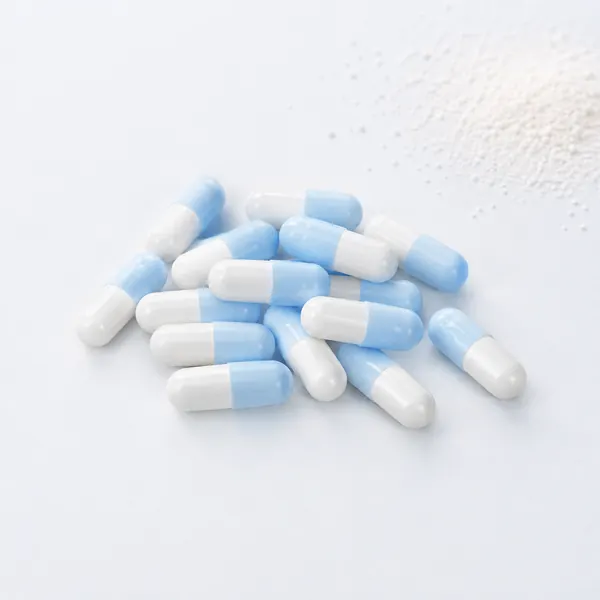
SAG Capsules
Custom capsule strength, shell material, bottle count, excipients, and label design for private-label brands.
SAG Tablets
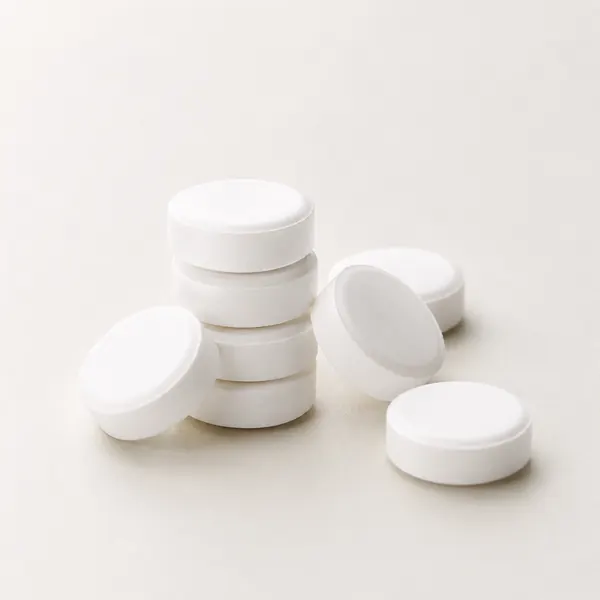
Tablet formulation, granulation, compression, coating, bottle packaging, and custom labeling support.
SAG Powder Blends
SAG can be blended with complementary actives (antioxidants, other longevity ingredients, vitamins, minerals) per customer formula.
What purity can I expect, and how is it verified?+
PathGene supplies S-Acetyl-L-Glutathione at a minimum assay of 98.0% by HPLC. Each lot ships with a Certificate of Analysis covering assay, related substances, heavy metals, and microbial limits; the underlying HPLC chromatogram or additional testing data can be provided on request.
How is this ingredient manufactured — is it fermentation-based or fully synthetic?+
The glutathione feedstock is produced by microbial fermentation, then converted to S-Acetyl-L-Glutathione through a controlled chemical S-acetylation step that selectively caps the reactive thiol group. This combined bio-fermentation-plus-acetylation route is the standard commercial process for this ingredient.
Is S-Acetyl-L-Glutathione water soluble, and how should it be formulated?+
Yes, it is soluble in water. It is commonly formulated into capsules, tablets, sachets, or ready-to-mix powders; we recommend keeping aqueous formulations near neutral pH and avoiding prolonged heat or strongly alkaline processing to protect the acetyl-thioester bond.
Can we request a free sample before placing a bulk order?+
Yes, small evaluation samples are available on request so your team can run in-house identity, purity, and formulation compatibility testing before committing to a bulk purchase.
Do you support third-party testing or independent verification?+
Yes. In addition to our internal CoA, we accommodate customer-designated third-party laboratory testing on sample or bulk shipments, and can assist with sample submission for independent HPLC, heavy metal, or microbial analysis.
Do you offer OEM or private-label services?+
Yes, we support OEM/private-label supply, including custom packaging, labeling, and formulation-ready blends (e.g., pre-mixed powders or capsule fills) tailored to your brand and market requirements.
What packaging options are available?+
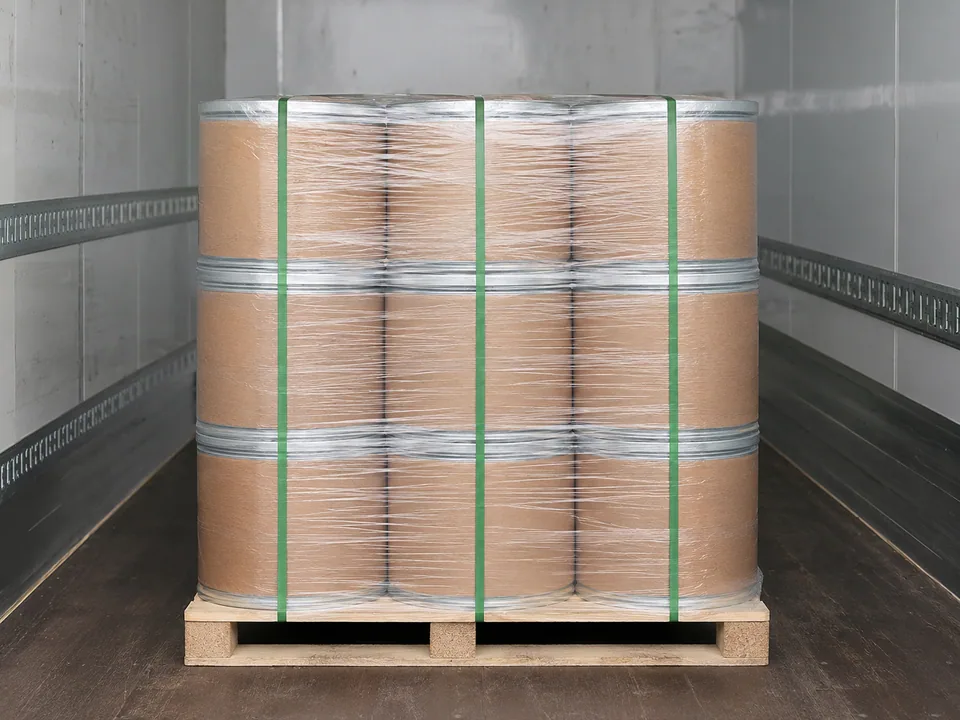
Standard packaging is in moisture-resistant, light-protected bags or drums (e.g., 1 kg, 5 kg, 25 kg) with an inner food/pharma-grade liner; custom packaging sizes and materials can be arranged for larger contracts.
What is the MOQ and how do we get a quotation?+
Minimum order quantities are flexible and depend on packaging format and destination; please share your target quantity, application, and delivery location so our team can prepare a formal quotation and lead time.
Why Choose PathGene
- Direct China manufacturer supply — factory pricing, no middleman
- Batch-specific COA & full traceability on every shipment
- In-house R&D + synthetic biology / enzymatic production platform
- Free sample for qualified B2B buyers before commercial order
- Flexible MOQ — from lab-scale trial to ton-scale commercial supply
- One-stop OEM/private-label support for finished dosage forms
- Worldwide shipping by courier, air freight, and sea freight
OEM & Private-Label Services
- ·Custom capsule manufacturing
- ·Custom tablet manufacturing
- ·Powder blending & custom formulation
- ·Private-label bottles, pouches & labels
- ·Small trial orders
- ·Bulk commercial production
- ·Export documentation
- ·Third-party laboratory testing
Documents Available
- ·Certificate of Analysis (COA)
- ·Product specification sheet
- ·Material Safety Data Sheet (MSDS)
- ·Manufacturing flow chart
- ·HPLC test report
- ·Heavy-metal test report
- ·Microbiological test report
- ·Non-GMO / allergen statement
- ·Country-of-origin documentation
- ·Packing list & commercial invoice
Certificate availability should be confirmed with our sales team before ordering.
Sample Certificate of Analysis
PathGene Biotech Co., Ltd.
南京派琪生物科技有限公司
CERTIFICATE OF ANALYSIS
Layout example — not an issued batch record
Product Name
SAG
CAS No.
3054-47-5
Batch No.
PG-SAMPLE-000000
Packaging
Issued upon order confirmation
| Test Item | Specification | Result |
|---|---|---|
| Appearance | White to off-white crystalline powder | Conforms, white to off-white powder |
| Assay (HPLC) | ≥98.0% | 98.6% |
| Free Glutathione (related substance) | ≤1.0% | 0.4% |
| Loss on Drying | ≤0.5% | 0.3% |
| pH (1% aqueous solution) | 3.0–5.0 | 4.1 |
| Specific Rotation | -30° to -34° (c=1, H2O) | -32.1° |
| Heavy Metals (Pb) | ≤10 ppm | <5 ppm |
| Mercury (Hg) | ≤1 ppm | <0.5 ppm |
| Cadmium (Cd) | ≤1 ppm | <0.5 ppm |
| Arsenic (As) | ≤2 ppm | <1 ppm |
| Total Plate Count | ≤1000 CFU/g | <100 CFU/g |
| Yeast & Mold | ≤100 CFU/g | <10 CFU/g |
| E. coli | Negative/25 g | Negative |
| Salmonella | Negative/25 g | Negative |
Conclusion: Conforms to internal quality specifications
The COA issued with your order will carry the actual batch number, manufacture/test dates, and QC signature.
Related Products

Citicoline (CDP-Choline)


Interested in SAG?
Our R&D team will respond to your inquiry or sample request within 24 hours.