G-Rutin
Glucosyl Rutin

Key Specifications
| CAS Number | 17406-45-4 |
| Purity | ≥95.0% |
| Molecular Formula | C₃₃H₄₂O₂₀ |
| Molecular Weight | 772.67 g/mol |
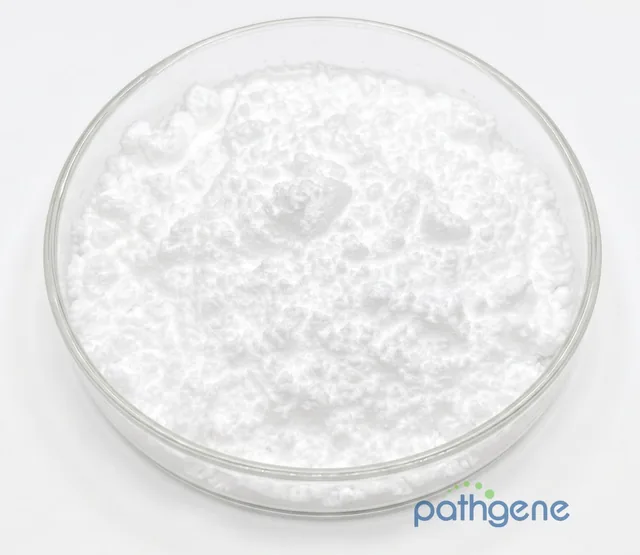
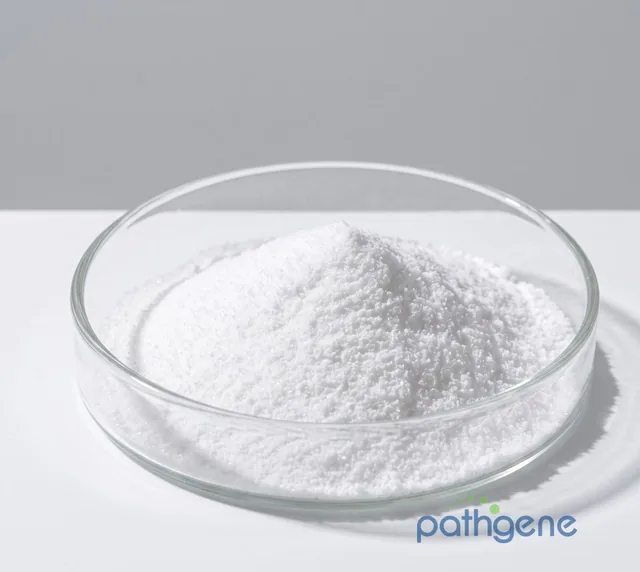
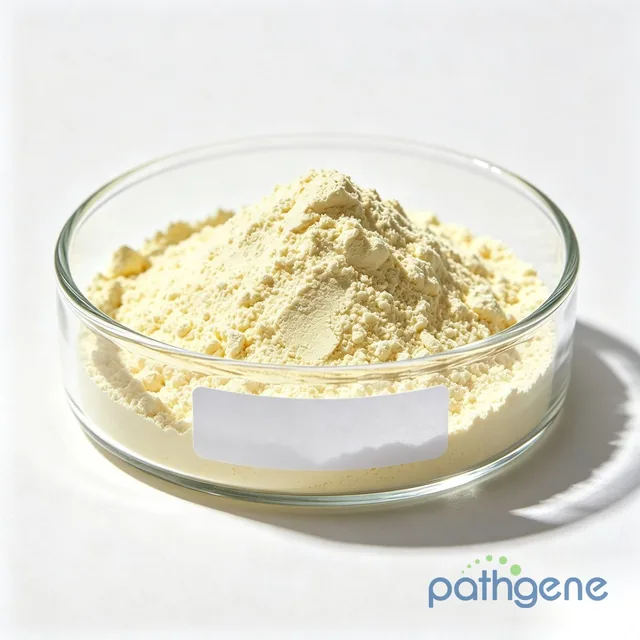
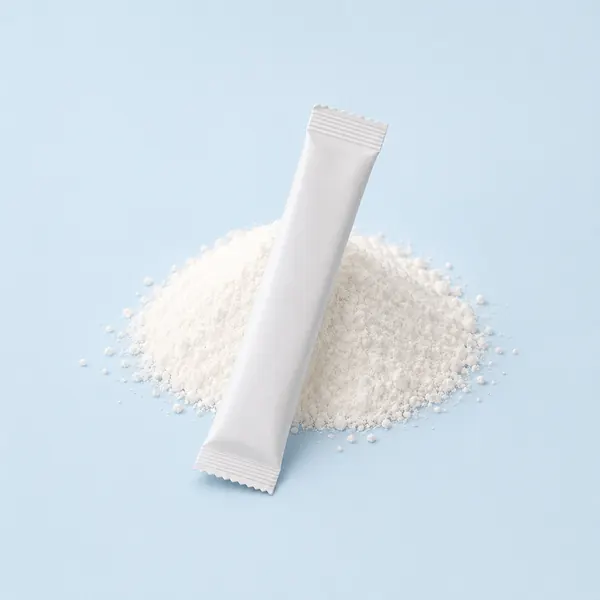
| Appearance | Light yellow powder |
| Solubility | Freely soluble in water |
| Storage | Room temperature, dry |
| Shelf Life | 24 months |
CAS 17406-45-4
What Is G-Rutin?
Glucosyl Rutin (G-Rutin, CAS 17406-45-4, C33H42O20, MW 772.67 g/mol) is a glucose-modified derivative of rutin (quercetin-3-rutinoside), the flavonol glycoside naturally abundant in the flower buds of Sophora japonica (Japanese pagoda tree) and in buckwheat. Commercial bulk material is not obtained by direct plant extraction; instead, purified natural rutin is used as a substrate in an enzymatic glucosylation step, giving a light yellow powder that is freely soluble in water while retaining rutin's polyphenolic core. This added glucose unit is what gives G-Rutin its markedly improved solubility and stability versus native rutin. G-Rutin is commonly associated with supporting vascular elasticity, antioxidant activity, and healthy blood circulation, and is used in formulations intended to help ease visual fatigue. It is widely supplied for dietary supplements, cosmetic raw materials, and food applications.
Other Names
Key Features
High Purity, Consistent Quality
Assayed at ≥95.0% purity by HPLC, with batch-to-batch consistency backed by ISO and ISO9001-aligned quality management.
Controlled Enzymatic Production
Produced from purified natural rutin via a tightly controlled enzymatic transglycosylation process, ensuring reproducible conversion and traceable raw material sourcing.
Uniform Light Yellow Powder
Supplied as a free-flowing, light yellow powder with controlled particle size for easy weighing, dispersion, and downstream processing.
Rigorous Contaminant Testing
Every batch is screened for heavy metals (Pb, Hg, Cd, As) and microbial limits, with full certificates of analysis available on request.
Flexible Bulk & OEM Supply
Available in flexible order quantities from sample size to bulk drums, with OEM/private-label packaging and customized specifications on request.
| Molecular Formula | C₃₃H₄₂O₂₀ |
| Molecular Weight | 772.67 g/mol |
| Appearance | Light yellow powder |
| Solubility | Freely soluble in water |
| Storage Condition | Room temperature, dry |
| Shelf Life | 24 months |
| Grade 1 | Food/Supplement Grade · ≥95.0% · COA |
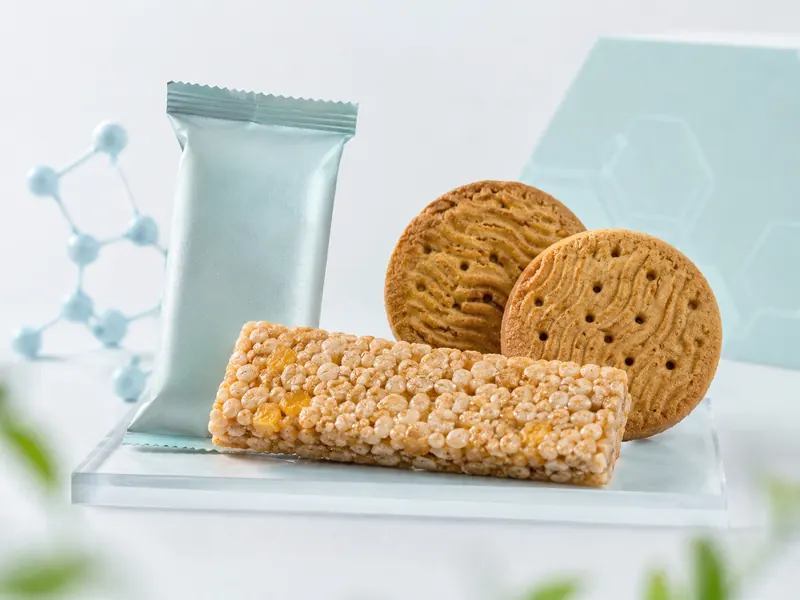
End-Product Applications
Mechanism & Benefits
Enhances vascular elasticity, antioxidant. Improves blood circulation and reduces eye fatigue.
Packaging Options
1 kg 5 kg 25 kg
Lead Time
5–7 business days
Minimum Order
1 kg
Custom Packaging
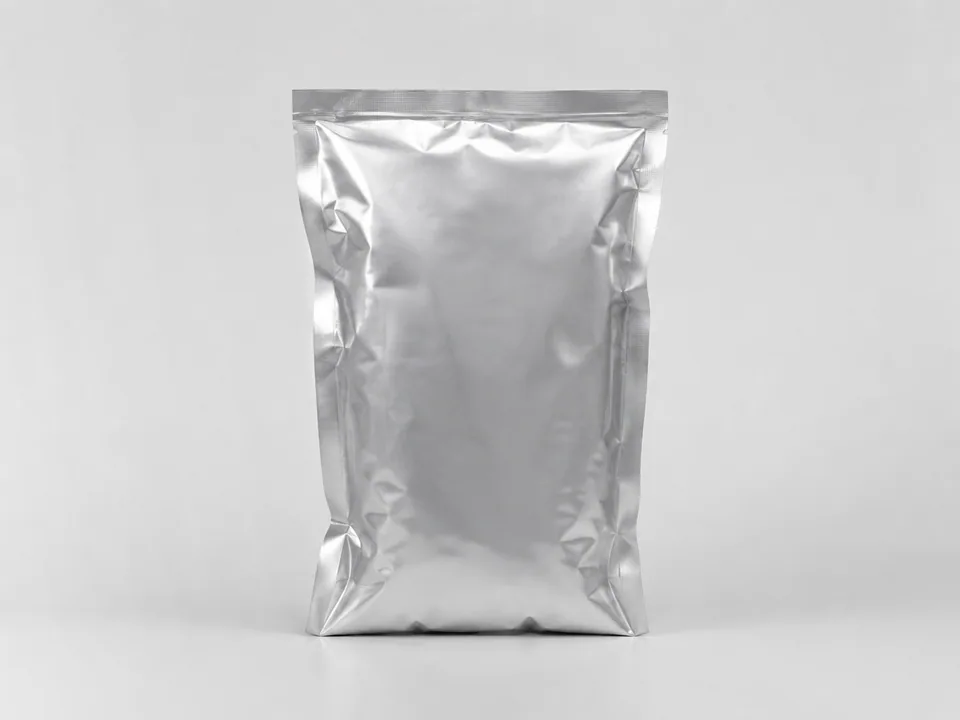
Custom packaging (foil bags, HDPE drums), GMP labeling, and export documentation are available. Contact us for specifics.Certifications
ISO
ISO
ISO9001
ISO 9001
Manufacturing Process
Rutin Feedstock Preparation
Natural rutin is extracted from botanical sources such as Sophora japonica flower buds and purified to a defined feedstock grade suitable for enzymatic modification.
Glucosyl Donor Preparation
A starch-derived glucosyl donor solution is prepared and combined with the purified rutin substrate in an aqueous reaction system.
Enzymatic Transglycosylation
A cyclodextrin glucanotransferase (CGTase)-type enzyme catalyzes transfer of a glucose unit onto the rutin molecule under controlled pH and temperature, forming the glucosylated rutin.
Reaction Termination & Enzyme Deactivation
The reaction is stopped at target conversion and the enzyme is heat-deactivated to halt further glycosylation and prevent over-conversion.
Selective Trimming to Mono-Glucosyl Form
A secondary glucoamylase treatment trims excess attached glucose units, concentrating the product toward the target mono-glucosyl rutin species.
Decolorization & Filtration
The reaction mixture is treated with activated carbon and filtered to remove color bodies, residual protein, and insoluble matter.
Chromatographic Purification
Resin-based chromatographic separation removes unreacted rutin, free sugars, and oligosaccharide by-products, concentrating the target glucosyl rutin fraction.
Concentration, Drying & Milling
The purified solution is concentrated and dried (spray-drying or vacuum drying), then milled and sieved to yield the final light yellow powder for packaging.
Quality Specifications
| Test Item | Specification | Result |
|---|---|---|
| Appearance | Light yellow powder | Conforms, light yellow powder |
| Odor | Characteristic, no foreign odor | Conforms |
| Assay (HPLC) | ≥95.0% | 96.5% |
| Particle Size | Through 80 mesh ≥95% | 98% |
| Loss on Drying | ≤5.0% | 3.1% |
| pH (1% aqueous solution) | 4.0–6.5 | 5.4 |
| Heavy Metals (total, as Pb) | ≤10 mg/kg | <10 mg/kg |
| Lead (Pb) | ≤2 mg/kg | <2 mg/kg |
| Arsenic (As) | ≤2 mg/kg | <1 mg/kg |
| Mercury (Hg) | ≤0.1 mg/kg | <0.1 mg/kg |
| Total Plate Count | ≤1000 CFU/g | <100 CFU/g |
| Yeast & Mold | ≤100 CFU/g | <10 CFU/g |
| E. coli | Negative/25 g | Negative |
| Salmonella | Negative/25 g | Negative |
Purity & Assay Method
Purity is determined by reverse-phase HPLC against a qualified reference standard, typically with UV detection in the 250-360 nm range where the flavonoid chromophore absorbs strongly. Buyers should request the batch-specific certificate of analysis (COA) confirming the HPLC method, reference standard used, and the ≥95.0% assay result, and are encouraged to independently verify purity and identity (e.g., by HPLC or LC-MS) upon receipt, particularly for pharmaceutical or high-spec cosmetic applications.
Solubility & Formulation
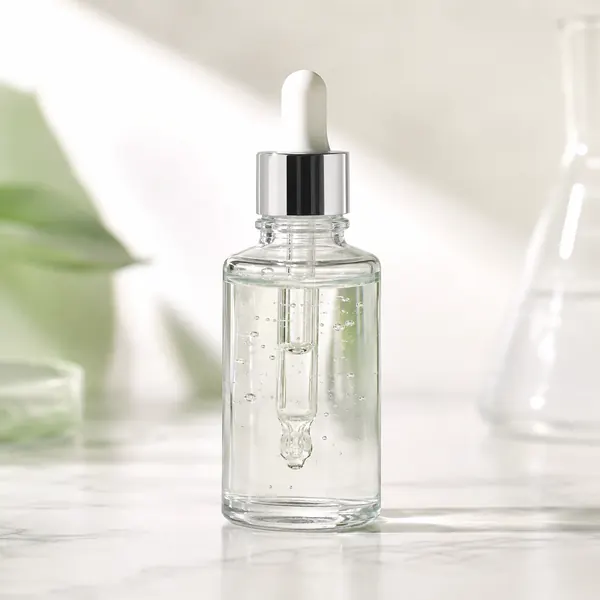
Unlike native rutin, which has very limited aqueous solubility, Glucosyl Rutin is freely soluble in water, making it straightforward to incorporate into aqueous-based systems without solubilizers or organic co-solvents. This supports use in clear beverages, functional drinks, oral liquids, essence/serum formulations, and eye-care preparations where rapid, uniform dissolution is important. For formulation work, pre-dissolving in water or a portion of the aqueous phase before blending is recommended, and compatibility should be confirmed at the target pH, since flavonoid glycosides are generally most stable under mildly acidic to neutral conditions. Buyers formulating with co-actives such as vitamin C should conduct their own compatibility and stability testing.
Available Product Forms
Bulk G-Rutin Powder
High-purity raw powder for supplement factories, research organizations, ingredient distributors, and contract manufacturers.
G-Rutin Capsules
Custom capsule strength, shell material, bottle count, excipients, and label design for private-label brands.
G-Rutin Tablets
Tablet formulation, granulation, compression, coating, bottle packaging, and custom labeling support.
G-Rutin Powder Blends
G-Rutin can be blended with complementary actives (antioxidants, other longevity ingredients, vitamins, minerals) per customer formula.
How is the purity and specification of Glucosyl Rutin confirmed?+
Each batch is tested by HPLC to confirm assay ≥95.0%, along with appearance, loss on drying, heavy metals, and microbial limits. A full certificate of analysis (COA) is provided with every shipment, and buyers are welcome to request additional third-party verification.
How is this ingredient produced, and what is the raw material source?+
Glucosyl Rutin is produced by enzymatic transglycosylation, starting from purified natural rutin (sourced from botanical material such as Sophora japonica flower buds) that undergoes a controlled enzymatic reaction to attach a glucose unit, followed by purification and drying. This is not a synthetic or plant-extraction-only process, but a biocatalytic modification of a natural precursor.
How does its solubility compare to regular rutin?+
Glucosyl Rutin is freely soluble in water, a substantial improvement over native rutin, which dissolves poorly in aqueous systems. This makes it much easier to formulate into clear liquid products without solubilizers.
Can we request a sample before placing a bulk order?+
Yes, small samples are available for evaluation, formulation trials, and incoming quality testing prior to committing to a bulk purchase order.
Is third-party testing available for this product?+
Yes, in addition to our internal COA, buyers may send samples to an independent third-party laboratory of their choice for verification of purity, heavy metals, and microbial limits.
Do you offer OEM or private-label options?+
Yes, OEM and private-label packaging, along with customized particle size, blending, or documentation requirements, can be arranged to meet buyer specifications, subject to minimum order quantities.
What packaging options are available?+
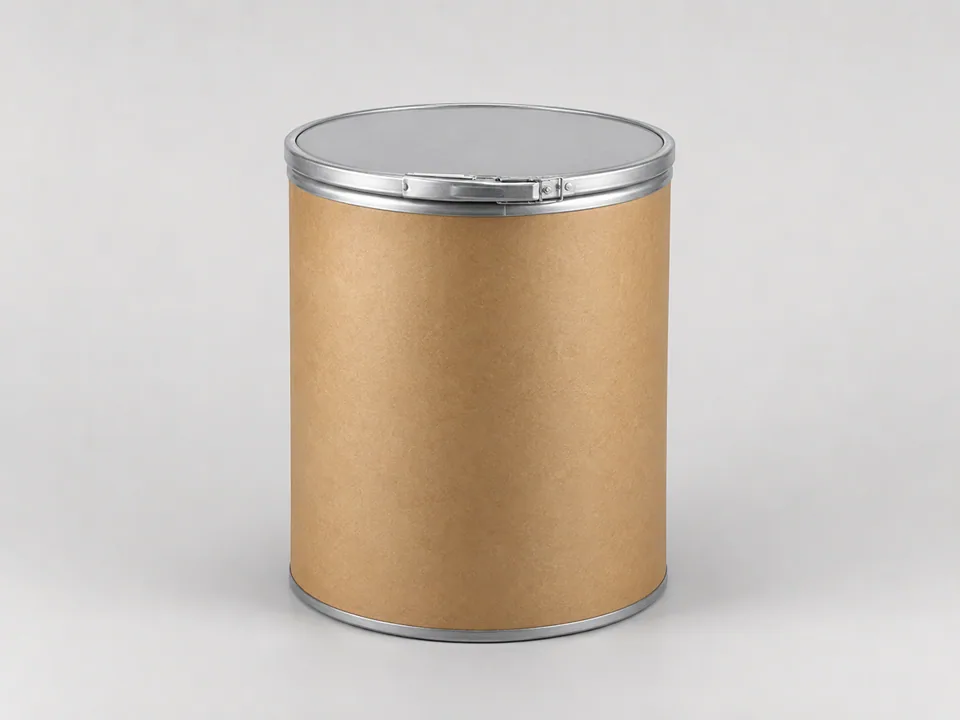
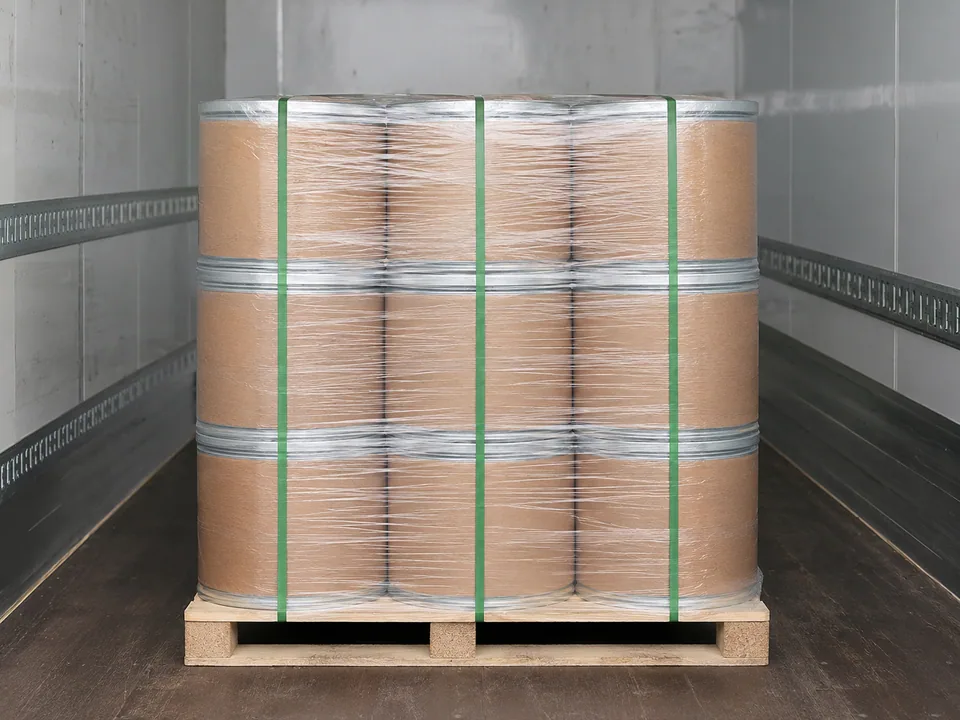
Standard packaging typically includes moisture-resistant inner bags in fiber drums or cartons; customized packaging sizes and formats can be arranged for larger orders.
What is the MOQ, and how can we get a quotation?+
Minimum order quantities vary by packaging format and order customization; please contact our sales team with your target volume, application, and destination to receive a detailed quotation.
Why Choose PathGene
- Direct China manufacturer supply — factory pricing, no middleman
- Batch-specific COA & full traceability on every shipment
- In-house R&D + synthetic biology / enzymatic production platform
- Free sample for qualified B2B buyers before commercial order
- Flexible MOQ — from lab-scale trial to ton-scale commercial supply
- One-stop OEM/private-label support for finished dosage forms
- Worldwide shipping by courier, air freight, and sea freight
OEM & Private-Label Services
- ·Custom capsule manufacturing
- ·Custom tablet manufacturing
- ·Powder blending & custom formulation
- ·Private-label bottles, pouches & labels
- ·Small trial orders
- ·Bulk commercial production
- ·Export documentation
- ·Third-party laboratory testing
Documents Available
- ·Certificate of Analysis (COA)
- ·Product specification sheet
- ·Material Safety Data Sheet (MSDS)
- ·Manufacturing flow chart
- ·HPLC test report
- ·Heavy-metal test report
- ·Microbiological test report
- ·Non-GMO / allergen statement
- ·Country-of-origin documentation
- ·Packing list & commercial invoice
Certificate availability should be confirmed with our sales team before ordering.
Sample Certificate of Analysis
PathGene Biotech Co., Ltd.
南京派琪生物科技有限公司
CERTIFICATE OF ANALYSIS
Layout example — not an issued batch record
Product Name
G-Rutin
CAS No.
17406-45-4
Batch No.
PG-SAMPLE-000000
Packaging
Issued upon order confirmation
| Test Item | Specification | Result |
|---|---|---|
| Appearance | Light yellow powder | Conforms, light yellow powder |
| Odor | Characteristic, no foreign odor | Conforms |
| Assay (HPLC) | ≥95.0% | 96.5% |
| Particle Size | Through 80 mesh ≥95% | 98% |
| Loss on Drying | ≤5.0% | 3.1% |
| pH (1% aqueous solution) | 4.0–6.5 | 5.4 |
| Heavy Metals (total, as Pb) | ≤10 mg/kg | <10 mg/kg |
| Lead (Pb) | ≤2 mg/kg | <2 mg/kg |
| Arsenic (As) | ≤2 mg/kg | <1 mg/kg |
| Mercury (Hg) | ≤0.1 mg/kg | <0.1 mg/kg |
| Total Plate Count | ≤1000 CFU/g | <100 CFU/g |
| Yeast & Mold | ≤100 CFU/g | <10 CFU/g |
| E. coli | Negative/25 g | Negative |
| Salmonella | Negative/25 g | Negative |
Conclusion: Conforms to internal quality specifications
The COA issued with your order will carry the actual batch number, manufacture/test dates, and QC signature.
Related Products

Citicoline (CDP-Choline)


Interested in G-Rutin?
Our R&D team will respond to your inquiry or sample request within 24 hours.