IQC
Isoquercitrin (Isoquercetin)

Key Specifications
| CAS Number | 482-35-9 |
| Purity | ≥98.0% |
| Molecular Formula | C₂₁H₂₀O₁₂ |
| Molecular Weight | 464.38 g/mol |
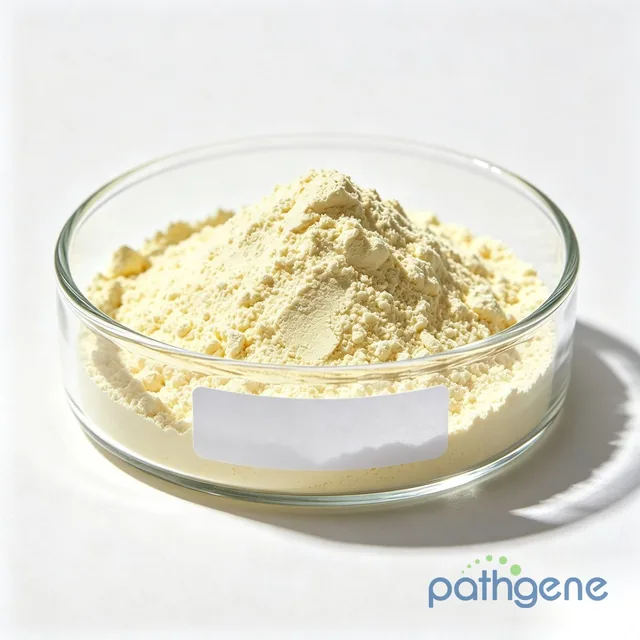
| Appearance | Light yellow to yellow powder |
| Solubility | Soluble in water (better than quercetin) |
| Storage | Room temperature, dry |
| Shelf Life | 24 months |
CAS 482-35-9
What Is IQC?
Isoquercitrin (isoquercetin, CAS 482-35-9) is a natural flavonol glycoside consisting of the aglycone quercetin linked to a single glucose unit at the 3-O position (molecular formula C21H20O12, MW 464.38 g/mol). It occurs widely across the plant kingdom—in apples, mulberry leaves, tea, buckwheat, and Sophora japonica flower buds—but almost always at trace concentrations, making direct extraction commercially inefficient. Bulk-scale material is therefore typically produced through a biosynthesis/enzymatic conversion route: rutin (quercetin-3-O-rutinoside), which is abundant and inexpensively extracted from botanical sources such as Sophora japonica, is treated with a selective α-L-rhamnosidase enzyme that cleaves off the terminal rhamnose unit, leaving isoquercitrin as the product, which is then purified by crystallization/chromatography to high purity.
Other Names
Key Features
High, Verified Purity
Standard grade is HPLC-assayed at ≥98.0% purity, with each production lot backed by a certificate of analysis so buyers can confirm potency before use.
Controlled Enzymatic Bioconversion
Produced via selective enzymatic conversion of rutin using α-L-rhamnosidase under tightly controlled reaction and purification parameters, ensuring batch-to-batch consistency at commercial scale.
Consistent Powder Form
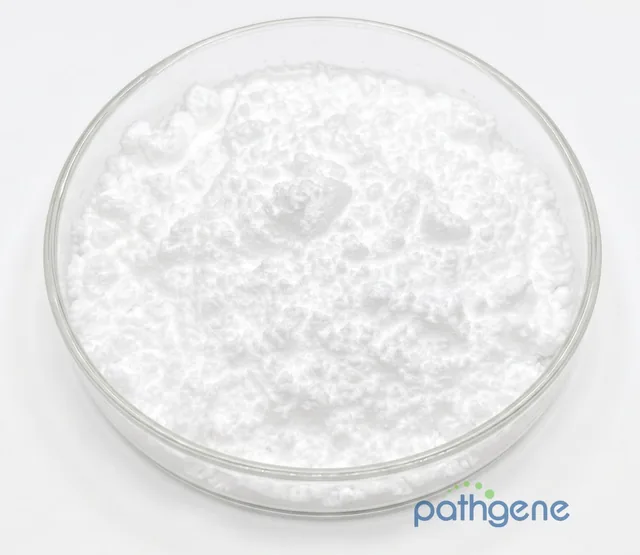
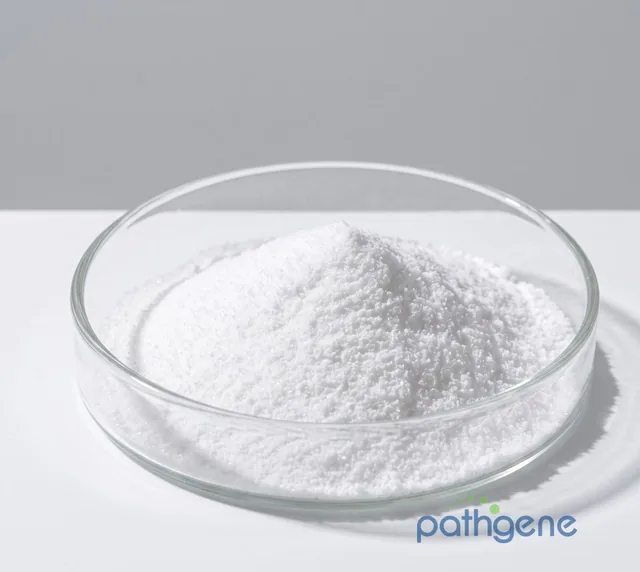
Supplied as a light yellow to yellow, free-flowing crystalline powder with consistent particle characteristics suitable for direct formulation or further processing.
Full Contaminant Screening
Every batch is screened for heavy metals (lead, arsenic, mercury, cadmium), residual solvents, and microbial limits to meet food- and pharma-grade raw material expectations.
Flexible Bulk & OEM Supply
Available in bulk quantities with customizable packaging, particle size, and documentation, plus OEM/private-label support for finished-product brand owners.
| Molecular Formula | C₂₁H₂₀O₁₂ |
| Molecular Weight | 464.38 g/mol |
| Appearance | Light yellow to yellow powder |
| Solubility | Soluble in water (better than quercetin) |
| Storage Condition | Room temperature, dry |
| Shelf Life | 24 months |
| Grade 1 | Supplement Grade · ≥98.0% · COA |
End-Product Applications
Mechanism & Benefits
Antioxidant, anti-inflammatory. Protects cardiovascular health, improves vascular elasticity and immune regulation.
Packaging Options
1 kg 5 kg 25 kg
Lead Time
5–7 business days
Minimum Order
1 kg
Custom Packaging
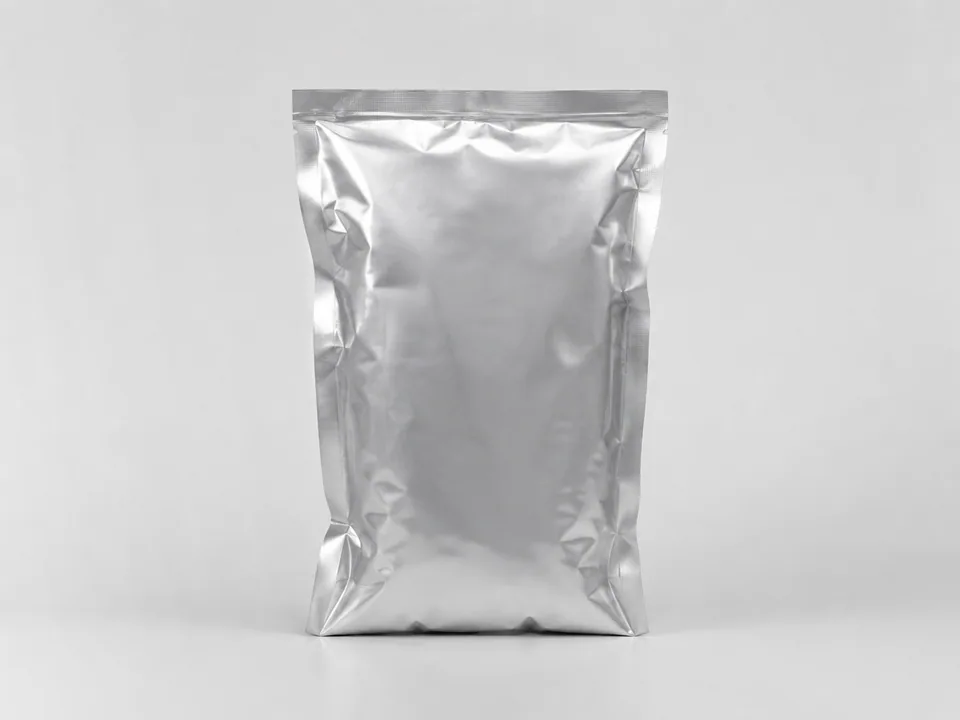
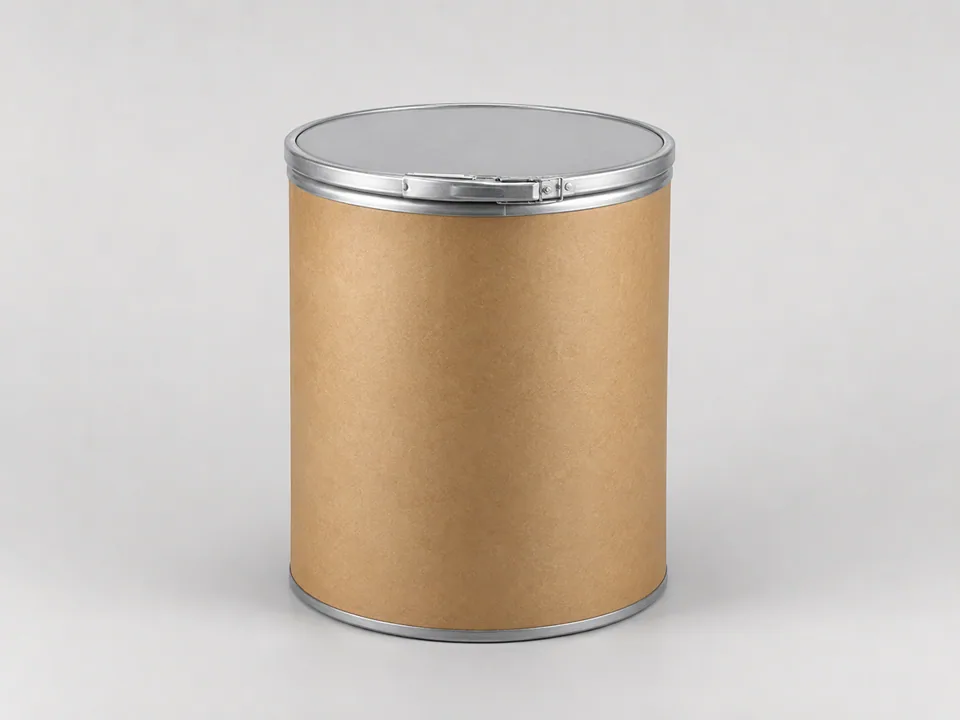
Custom packaging (foil bags, HDPE drums), GMP labeling, and export documentation are available. Contact us for specifics.Certifications
ISO
ISO
Manufacturing Process
Raw Material Sourcing (Rutin Extraction)
Rutin, the natural precursor, is extracted and purified from botanical sources such as Sophora japonica (pagoda tree) flower buds or buckwheat, where it occurs at relatively high concentration.
Rutin Standardization
Extracted rutin is standardized for purity and concentration and dissolved into an aqueous or buffered reaction medium to prepare it for enzymatic conversion.
Enzyme Preparation
A selective α-L-rhamnosidase enzyme (produced via microbial fermentation) is prepared and quality-checked for activity to ensure efficient, specific cleavage of the rhamnose unit.
Enzymatic Bioconversion
Under controlled temperature and pH, the enzyme selectively hydrolyzes the terminal rhamnose from rutin's rutinoside moiety, converting it into isoquercitrin while leaving the glucose linkage intact.
Reaction Monitoring & Termination
Conversion progress is monitored (typically by HPLC) until conversion yield plateaus, at which point the reaction is terminated to prevent further hydrolysis to the quercetin aglycone.
Separation & Crystallization
The reaction mixture is filtered, and isoquercitrin is separated from residual rutin, free rhamnose, and quercetin byproducts through crystallization and/or chromatographic purification.
Drying & Milling
The purified crystals are dried under controlled conditions to the target moisture level and milled to achieve consistent particle size for the finished powder.
QC Testing & Packaging
Finished material undergoes full QC testing (purity, heavy metals, microbial limits) before being packaged under conditions that protect it from light and moisture.
Quality Specifications
| Test Item | Specification | Result |
|---|---|---|
| Appearance | Light yellow to yellow powder | Conforms |
| Odor | Characteristic, no foreign odor | Conforms |
| Assay (HPLC) | ≥98.0% | 98.6% |
| Related substances (single max impurity) | ≤0.5% | 0.3% |
| Particle size | 100% pass 80 mesh | Conforms |
| Loss on drying | ≤5.0% | 2.8% |
| Residue on ignition | ≤0.5% | 0.2% |
| Lead (Pb) | ≤2 mg/kg | <1 mg/kg |
| Arsenic (As) | ≤1 mg/kg | <0.5 mg/kg |
| Mercury (Hg) | ≤0.1 mg/kg | <0.05 mg/kg |
| Cadmium (Cd) | ≤0.3 mg/kg | <0.1 mg/kg |
| Total plate count | ≤1000 CFU/g | <100 CFU/g |
| Yeast & mold | ≤100 CFU/g | <10 CFU/g |
| E. coli | Negative /25g | Negative |
| Salmonella | Negative /25g | Negative |
Purity & Assay Method
Purity is routinely confirmed by reversed-phase HPLC with UV detection, referencing a certified isoquercitrin standard and quantifying against a calibration curve; the method also resolves closely related impurities such as residual rutin and free quercetin. Buyers sourcing isoquercitrin for pharmaceutical, dietary supplement, or cosmetic applications should request the current certificate of analysis, confirm the specific assay method and reference standard used, and independently verify results via a qualified third-party laboratory where regulatory submission or high-value formulation is involved.
Solubility & Formulation
Isoquercitrin is soluble in water to a notably greater extent than its parent compound quercetin, owing to the added glucose moiety, and it also dissolves readily in polar organic solvents such as ethanol, methanol, and DMSO. This improved aqueous solubility makes it comparatively easier to formulate into beverages, aqueous solutions, soft-gel or liquid supplements, and topical/cosmetic emulsions without heavy reliance on solubilizers. For applications requiring even higher solubility or bioavailability, buyers may consider complexation with cyclodextrins, use of co-solvents, or micronization/particle-size reduction, and should pilot-test compatibility with their specific matrix and pH range.
Available Product Forms
Bulk IQC Powder
High-purity raw powder for supplement factories, research organizations, ingredient distributors, and contract manufacturers.
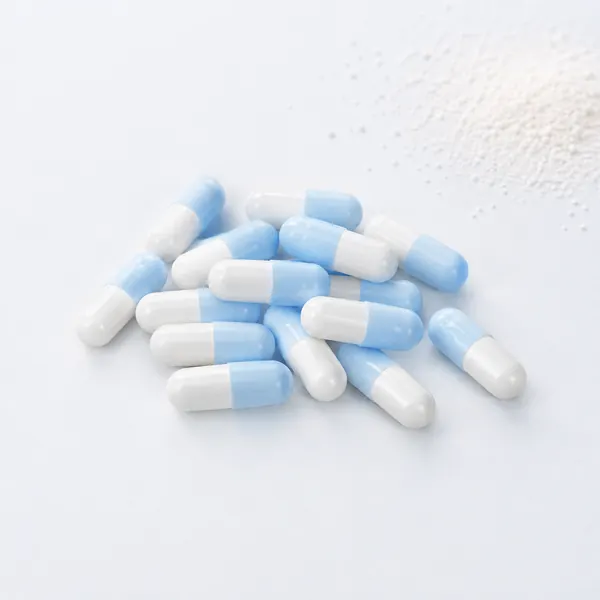
IQC Capsules
Custom capsule strength, shell material, bottle count, excipients, and label design for private-label brands.
IQC Tablets
Tablet formulation, granulation, compression, coating, bottle packaging, and custom labeling support.
IQC Powder Blends
IQC can be blended with complementary actives (antioxidants, other longevity ingredients, vitamins, minerals) per customer formula.
How can I confirm the purity and specification of each batch?+
Each shipment is accompanied by a certificate of analysis (COA) covering HPLC assay, appearance, heavy metals, and microbial limits. We can also provide a pre-shipment sample and, on request, share the specific HPLC method and reference standard used for verification.
How is your isoquercitrin produced — is it plant-extracted or lab-made?+
Our isoquercitrin is produced through a controlled enzymatic bioconversion process: plant-derived rutin (extracted from Sophora japonica flower buds) is selectively converted using an α-L-rhamnosidase enzyme, which is far more efficient than direct plant extraction since isoquercitrin occurs only in trace amounts in nature.
Is isoquercitrin water-soluble, and how should I formulate with it?+
Yes, isoquercitrin is more water-soluble than quercetin due to its attached glucose unit, making it suitable for beverages, aqueous supplements, and topical formulations. For higher-solubility needs, cyclodextrin complexation or micronization can be explored — our technical team can advise based on your target matrix.
Can I request a free sample before placing a bulk order?+
Yes, small evaluation samples are typically available for qualified buyers to test purity, solubility, and compatibility with their formulation before committing to a bulk purchase order.
Do you support third-party testing or independent verification?+
Absolutely. We welcome buyers to send retained samples to an independent, accredited laboratory of their choice for verification, and can coordinate sample retention and chain-of-custody documentation to support this process.
Do you offer OEM or private-label services?+
Yes, we support OEM and private-label supply, including customized packaging, labeling, and documentation to match your brand requirements for finished dietary supplement or ingredient products.
What packaging options are available?+
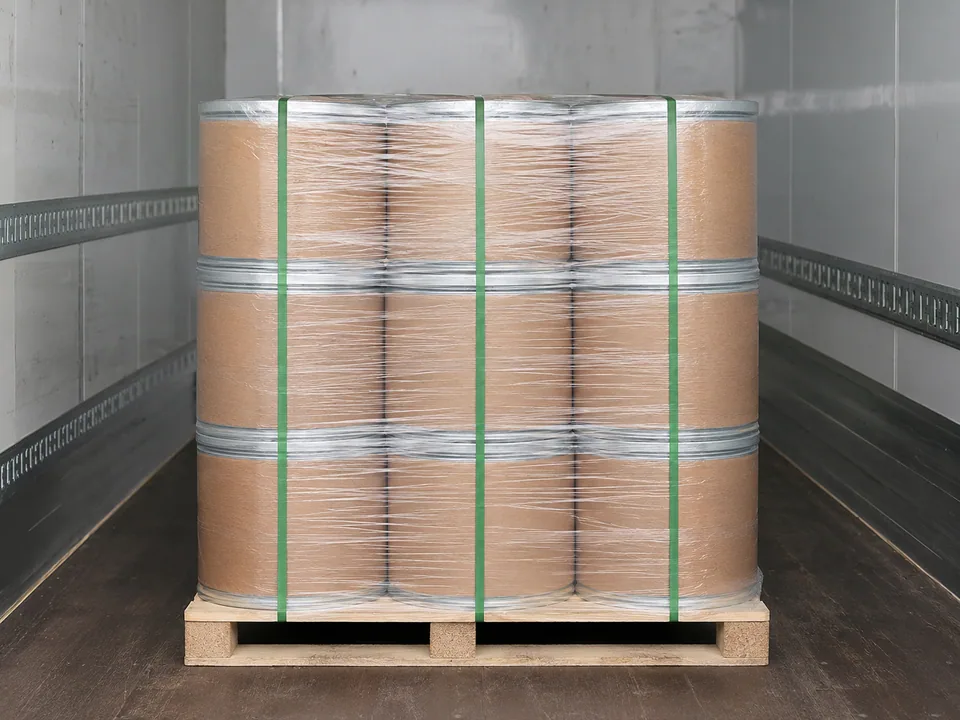
Standard packaging includes 1 kg, 5 kg, and 25 kg fiber drums or aluminum foil bags with double-layer moisture protection; customized packaging sizes and materials can be arranged for larger or OEM orders.
What is the MOQ and how can I get a quotation?+
Minimum order quantities are flexible depending on the intended use and packaging format; please share your target application, required volume, and destination to receive a tailored quotation and lead time.
Why Choose PathGene
- Direct China manufacturer supply — factory pricing, no middleman
- Batch-specific COA & full traceability on every shipment
- In-house R&D + synthetic biology / enzymatic production platform
- Free sample for qualified B2B buyers before commercial order
- Flexible MOQ — from lab-scale trial to ton-scale commercial supply
- One-stop OEM/private-label support for finished dosage forms
- Worldwide shipping by courier, air freight, and sea freight
OEM & Private-Label Services
- ·Custom capsule manufacturing
- ·Custom tablet manufacturing
- ·Powder blending & custom formulation
- ·Private-label bottles, pouches & labels
- ·Small trial orders
- ·Bulk commercial production
- ·Export documentation
- ·Third-party laboratory testing
Documents Available
- ·Certificate of Analysis (COA)
- ·Product specification sheet
- ·Material Safety Data Sheet (MSDS)
- ·Manufacturing flow chart
- ·HPLC test report
- ·Heavy-metal test report
- ·Microbiological test report
- ·Non-GMO / allergen statement
- ·Country-of-origin documentation
- ·Packing list & commercial invoice
Certificate availability should be confirmed with our sales team before ordering.
Sample Certificate of Analysis
PathGene Biotech Co., Ltd.
南京派琪生物科技有限公司
CERTIFICATE OF ANALYSIS
Layout example — not an issued batch record
Product Name
IQC
CAS No.
482-35-9
Batch No.
PG-SAMPLE-000000
Packaging
Issued upon order confirmation
| Test Item | Specification | Result |
|---|---|---|
| Appearance | Light yellow to yellow powder | Conforms |
| Odor | Characteristic, no foreign odor | Conforms |
| Assay (HPLC) | ≥98.0% | 98.6% |
| Related substances (single max impurity) | ≤0.5% | 0.3% |
| Particle size | 100% pass 80 mesh | Conforms |
| Loss on drying | ≤5.0% | 2.8% |
| Residue on ignition | ≤0.5% | 0.2% |
| Lead (Pb) | ≤2 mg/kg | <1 mg/kg |
| Arsenic (As) | ≤1 mg/kg | <0.5 mg/kg |
| Mercury (Hg) | ≤0.1 mg/kg | <0.05 mg/kg |
| Cadmium (Cd) | ≤0.3 mg/kg | <0.1 mg/kg |
| Total plate count | ≤1000 CFU/g | <100 CFU/g |
| Yeast & mold | ≤100 CFU/g | <10 CFU/g |
| E. coli | Negative /25g | Negative |
| Salmonella | Negative /25g | Negative |
Conclusion: Conforms to internal quality specifications
The COA issued with your order will carry the actual batch number, manufacture/test dates, and QC signature.
Related Products

Citicoline (CDP-Choline)


Interested in IQC?
Our R&D team will respond to your inquiry or sample request within 24 hours.