
1. Chemical identity reference
Public chemical databases list Palmitoylethanolamide under the stated identity; this reference supports identity review and does not replace the batch COA.
Citation: PubChem compound recordView source
PEA
CAS 544-31-0
Purity≥99.0% (HPLC)
Palmitoylethanolamide powder for capsule and tablet development with particle-size evaluation
Palmitoylethanolamide Powder (CAS 544-31-0), specification ≥99.0% (HPLC). Palmitoylethanolamide, abbreviated PEA; particle size and dispersion are evaluated separately for ordinary powder and any specified micronized grade. Batch COA and evaluation samples are available. MOQ: 1 kg. nutrition & functional ingredients
Quote / sample & delivery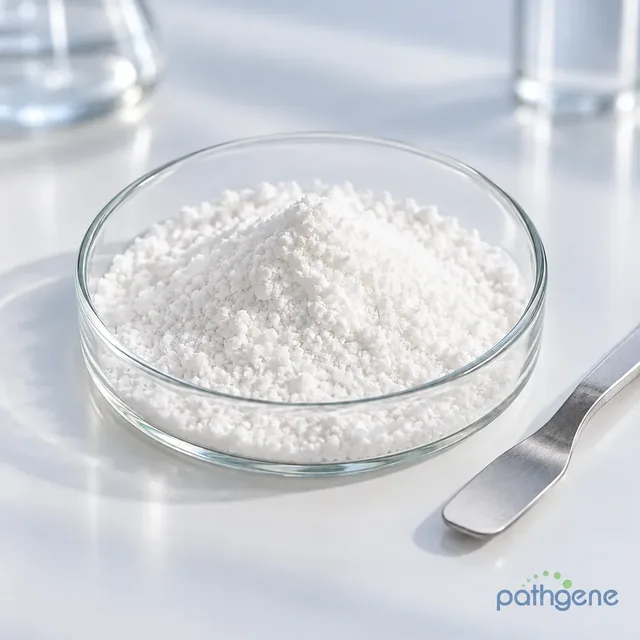
Key Specifications
| Product Positioning | Palmitoylethanolamide powder for capsule and tablet development with particle-size evaluation |
| Application Scenarios | lipid formulation screening · professional research supply · solid-dose development |
| CAS Number | 544-31-0 |
| Purity | ≥99.0% (HPLC) |
| Molecular Formula | C18H37NO2 |
| Molecular Weight | 299.5 g/mol |
| Appearance | White to off-white crystalline powder |
| Solubility | Practically insoluble in water; confirm dispersion system |
| Storage | Sealed, cool, dry and protected from light |
| Shelf Life | 2 years |
Procurement & delivery
Supply details confirmed by intended use, volume and target market
Palmitoylethanolamide (PEA), also known as palmidrol (CAS 544-31-0) is supplied as a white to off-white crystalline powder for formulation and research projects. PathGene offers bulk raw material with a ≥99.0% HPLC purity specification, batch documentation and evaluation samples. For capsule, tablet or powder-blend projects, include the required particle-size distribution or mesh specification in your inquiry. Our supply discussion covers the material specification, sample evaluation, packaging and delivery schedule.
≥99.0% HPLC Purity
High-purity PEA raw material with batch-specific quality documentation. Batch PGPEA-260304 recorded HPLC purity of 99.83%.
Ingredient Identity
Palmitoylethanolamide, abbreviated PEA; particle size and dispersion are evaluated separately for ordinary powder and any specified micronized grade.
Batch COA
Review the batch purity, loss on drying and reported residual-solvent results through the quality-documents section.
Evaluation Samples
Request a sample for incoming quality checks and formulation trials. Share the sample quantity, dosage form and priority tests.
Bulk Supply and Packaging
MOQ: 1 kg. Send quantity, package sizes and destination to discuss bulk pricing and delivery.
Test items, specifications and results for the listed batch are shown here. View or request a COA in the quality documents section.
Batch No.
PGPEA-260304
Test date
2026-03-07
Specification
Q/PG-INHOUSE
Pack size
25 kg/barrel
Storage
Sealed, cool, dry and protected from light
Conclusion
Conforms
| Test Item | Specification | Result |
|---|---|---|
| Appearance | White to off-white crystalline powder | Complies |
| Purity (HPLC) | ≥99.0% | 99.83% |
| Loss on drying | ≤1.0% | 0.02% |
| Methanol | ≤0.3% | Not detected |
| Ethanol | ≤0.5% | Not detected |
| Ethyl acetate | ≤0.5% | Not detected |
View an available COA in the quality documents section. Check the document for its product form and batch; request a signed COA for your purchasing or shipment batch separately.
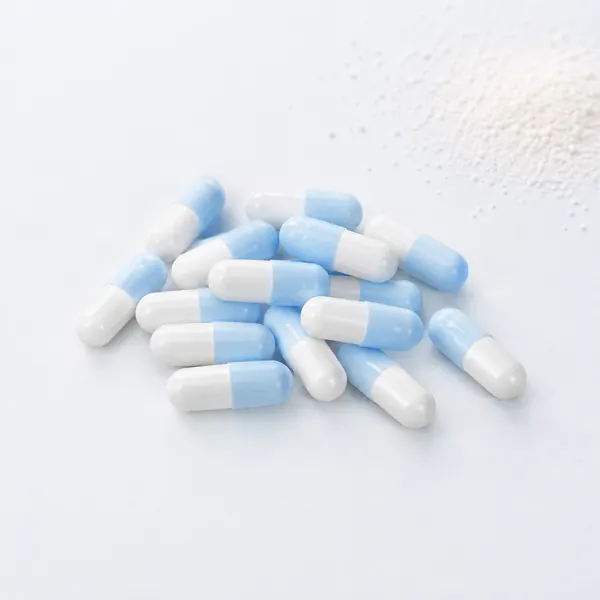
Hard capsules
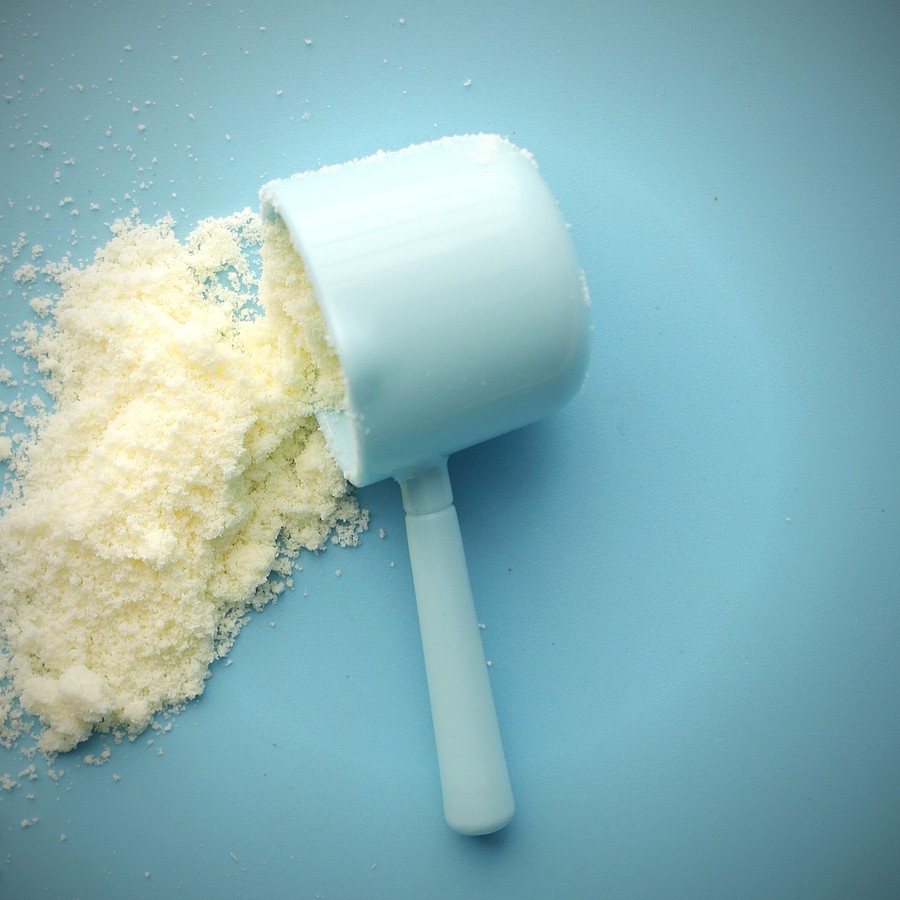
Powders
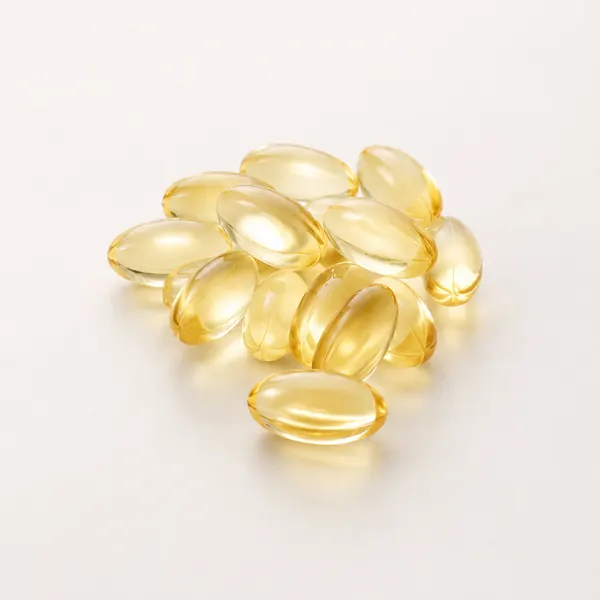
Softgels
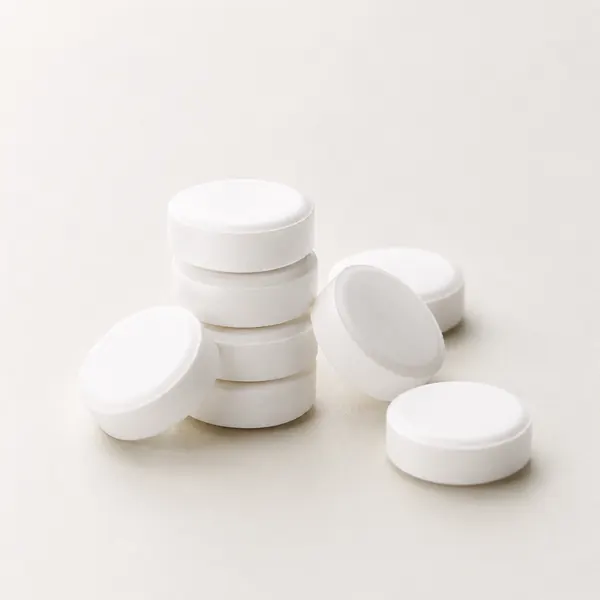
Tablets
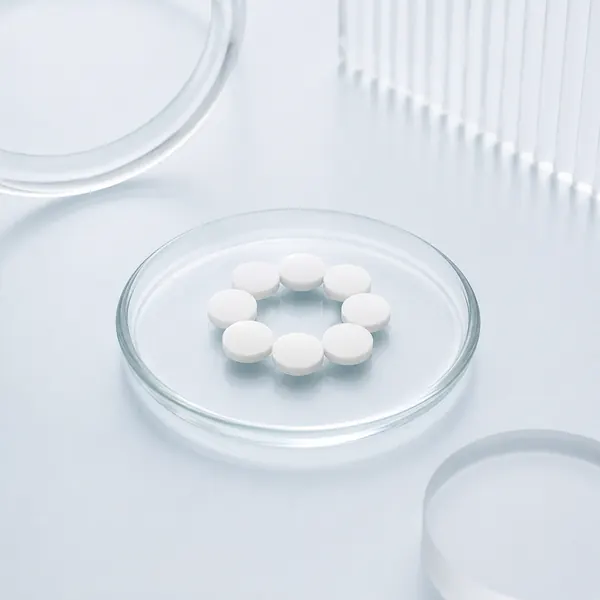
Sublingual tablets
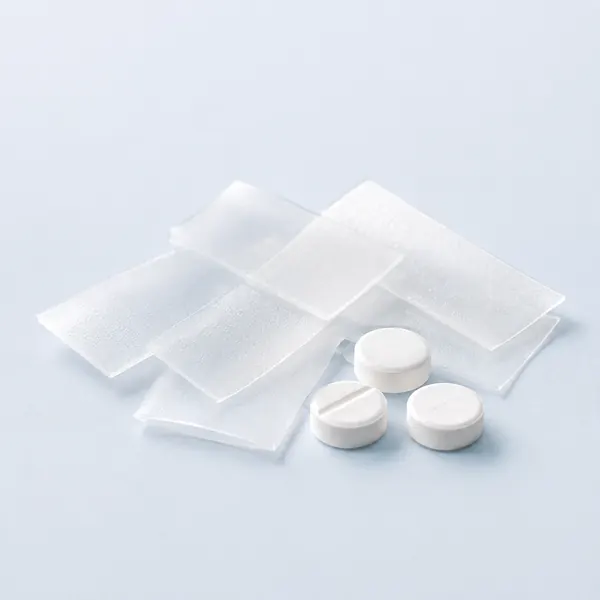
Oral dissolving films
Assess PEA particle size/micronization separately from chemical purity; verify the combination and particle form used in each study.
99.83%
Purity (HPLC)
PGPEA-260304 · Results apply to this lot; interpret purity, assay and water on their respective bases.
Composition candidates, processing sequences and tests support pilot design. Confirm candidate excipients and processes using this material in the actual finished formulation.
Study combinations, individual-ingredient mechanisms and product precedents are distinguished; expand each entry for scope and pilot-development checks.
The human study evaluated a specific PEA/polydatin combination. Its abstract alone does not establish co-micronization; verify simple blending, micronization and co-micronization separately. A clinical formulation does not validate this ingredient.
Expand research and formulation notes +Collapse research and formulation notes −Development rationale: The human study evaluated a specific PEA/polydatin combination. Its abstract alone does not establish co-micronization; verify simple blending, micronization and co-micronization separately. A clinical formulation does not validate this ingredient.
Evidence scope: The human study evaluated a specific PEA/polydatin combination. Its abstract alone does not establish co-micronization; verify simple blending, micronization and co-micronization separately. A clinical formulation does not validate this ingredient.
Pilot checks: Retain individual-ingredient, blend and carrier controls; check uniformity and post-process assays before packaged samples, documenting study formulations separately from new candidates.
2017 · Randomised clinical trial: the analgesic properties of dietary supplementation with palmitoylethanolamide and polydatin in irritable bowel syndrome. ↗Literature-Supported Research Directions
Public chemical databases list Palmitoylethanolamide under the stated identity; this reference supports identity review and does not replace the batch COA.
Citation: PubChem compound recordView source
A randomized, double-blind crossover study in 14 healthy volunteers evaluated four weeks of PEA using an experimental heat-pain model and measures of central and peripheral sensitization. It was a small mechanistic study in healthy people, not evidence that this raw material treats a clinical condition.
Citation: Lang-Illievich et al. The Effect of Palmitoylethanolamide on Pain Intensity, Central and Peripheral Sensitization, and Pain Modulation in Healthy Volunteers-A Randomized, Double-Blinded, Placebo-Controlled Crossover Trial. Nutrients (2022). PMID: 36235736.View source
A 2025 systematic review identified 47 randomized-trial reports across several populations and outcomes. The reviewed studies used differing formulations, including micronized or ultramicronized PEA, and the authors describe evidence across heterogeneous conditions. These findings should not be transferred automatically to an untested grade or particle-size specification.
Citation: Bortoletto et al. Brain, Behavior, & Immunity – Health. 2025;43:100927.View source
Note: For ingredient R&D and scientific information; findings depend on model, dose, formulation and population and do not constitute a treatment claim or efficacy guarantee.
Lead Time
3–5business days
Standard products are generally in stock; confirm the exact lead time with us.
Minimum Order
1 kg
Samples, pilot trials, and commercial volumes are supported.
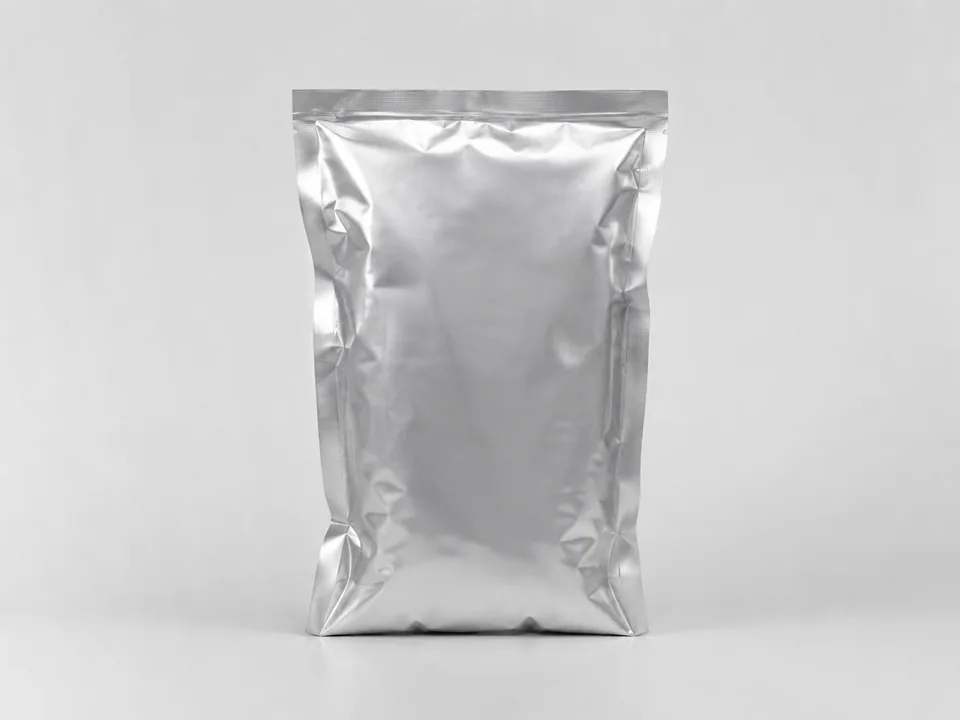
Foil Pouch
Sealed, moisture-protective inner packaging

Fiber Drum
Standard outer packaging for bulk transport
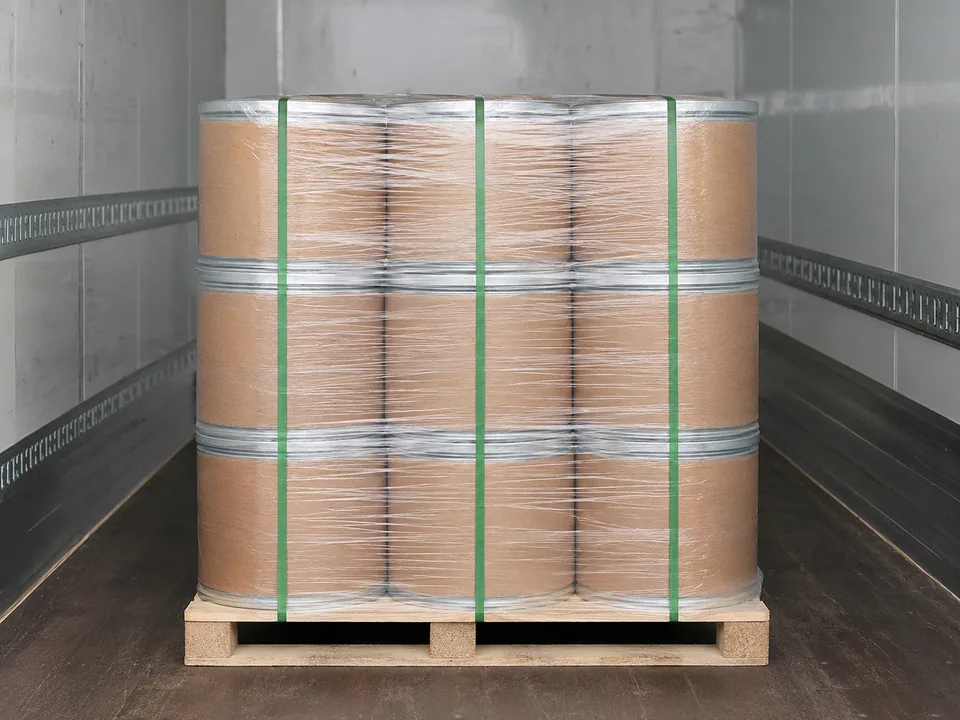
Bulk Shipping
Palletized and stretch-wrapped for protection
Ambient storage: foil pouch + fiber drum; temperature controlled: foil pouch + insulated box/carton. Confirm by product.
Custom packaging: Custom foil bags or HDPE drums, GMP label printing, and export documentation are available. Contact us for a quote.Images are packaging illustrations.
Certifications
The stated purity and batch result are shown separately. Confirm the method, dry-basis calculation and salt or hydrate form against the current COA.
Formulation work should confirm concentration, pH, light, moisture and hold-time controls for Palmitoylethanolamide; suitability depends on the final format and market requirements.
Palmitoylethanolamide (PEA) powder, CAS 544-31-0, has an HPLC purity specification of ≥99.0%. Lot PGPEA-260304 reports 99.83%; that result applies to that lot. Accept the offered material against its own batch COA.
Include the required D10, D50, D90 or mesh specification, units and measurement method. These details help align the requested grade and sample-evaluation criteria.
Yes. Share the required sample quantity, application and destination to arrange evaluation.
PEA powder has a 1 kg MOQ. Micronized projects additionally require agreed D10, D50, D90 or mesh values and a measurement method, with sample evaluation in the intended format. A purity of ≥99.0% alone does not specify the particle-size grade.
Documents are subject to product and batch availability; third-party reports are provided only when applicable.
Quality documents
The specification sheet defines acceptance limits. The COA shows actual batch results, which may vary by batch. Third-party reports are provided only for products or batches that have been independently tested.
Stable acceptance criteria · Available on request
Actual test data · Check the COA for the applicable batch
Related Products
Citicoline (CDP-Choline) Powder
Glutathione (Reduced) Powder
Interested in PEA?
Our R&D team will respond to your inquiry or sample request within 24 hours.
Scan to add WeChat

Alex Huang · Mon–Fri 9am–6pm CST