DHB
Dihydroberberine

Key Specifications
| CAS Number | 101-51-3 |
| Purity | ≥98.0% |
| Molecular Formula | C₂₀H₁₉NO₄ |
| Molecular Weight | 337.37 g/mol |
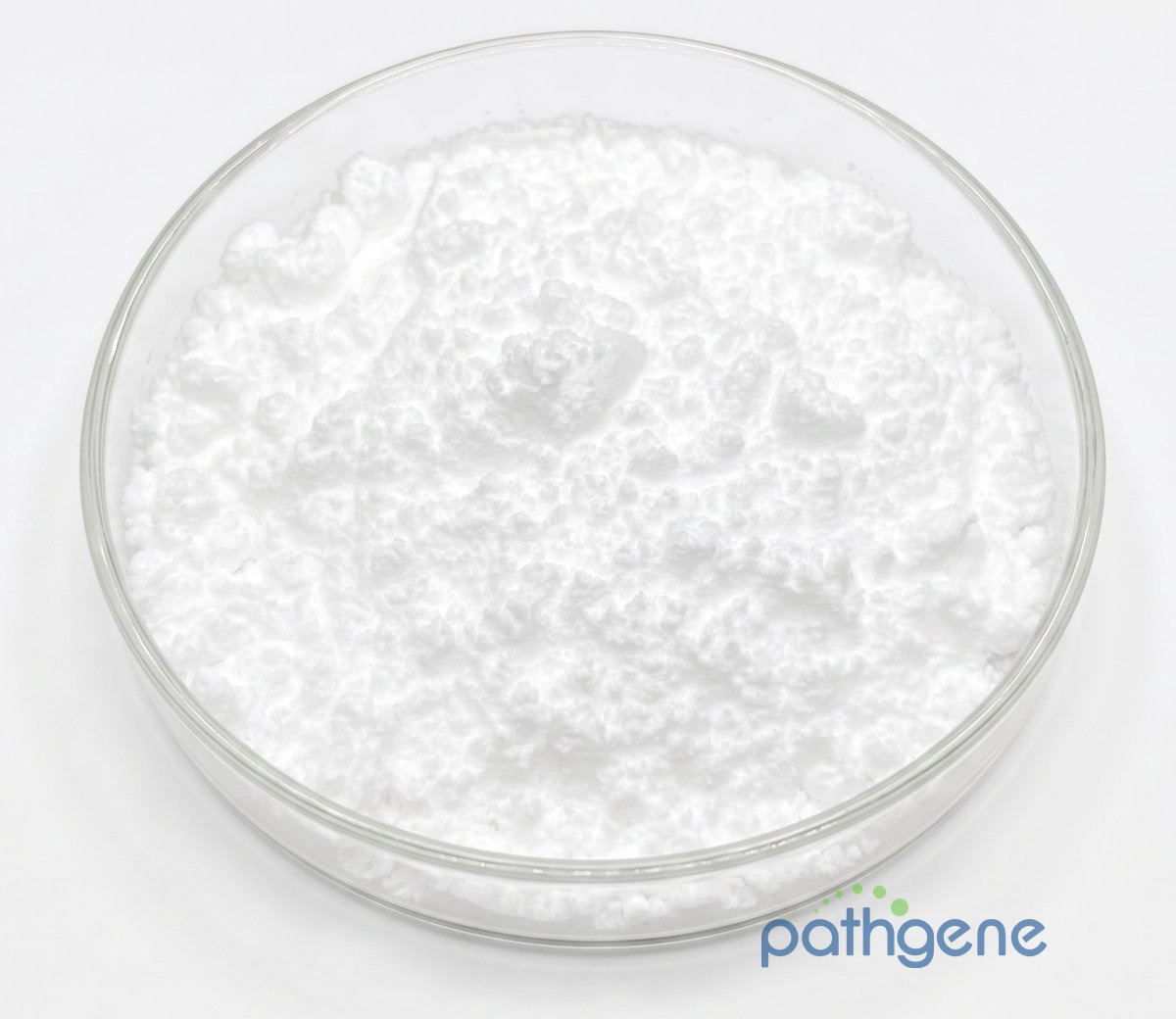
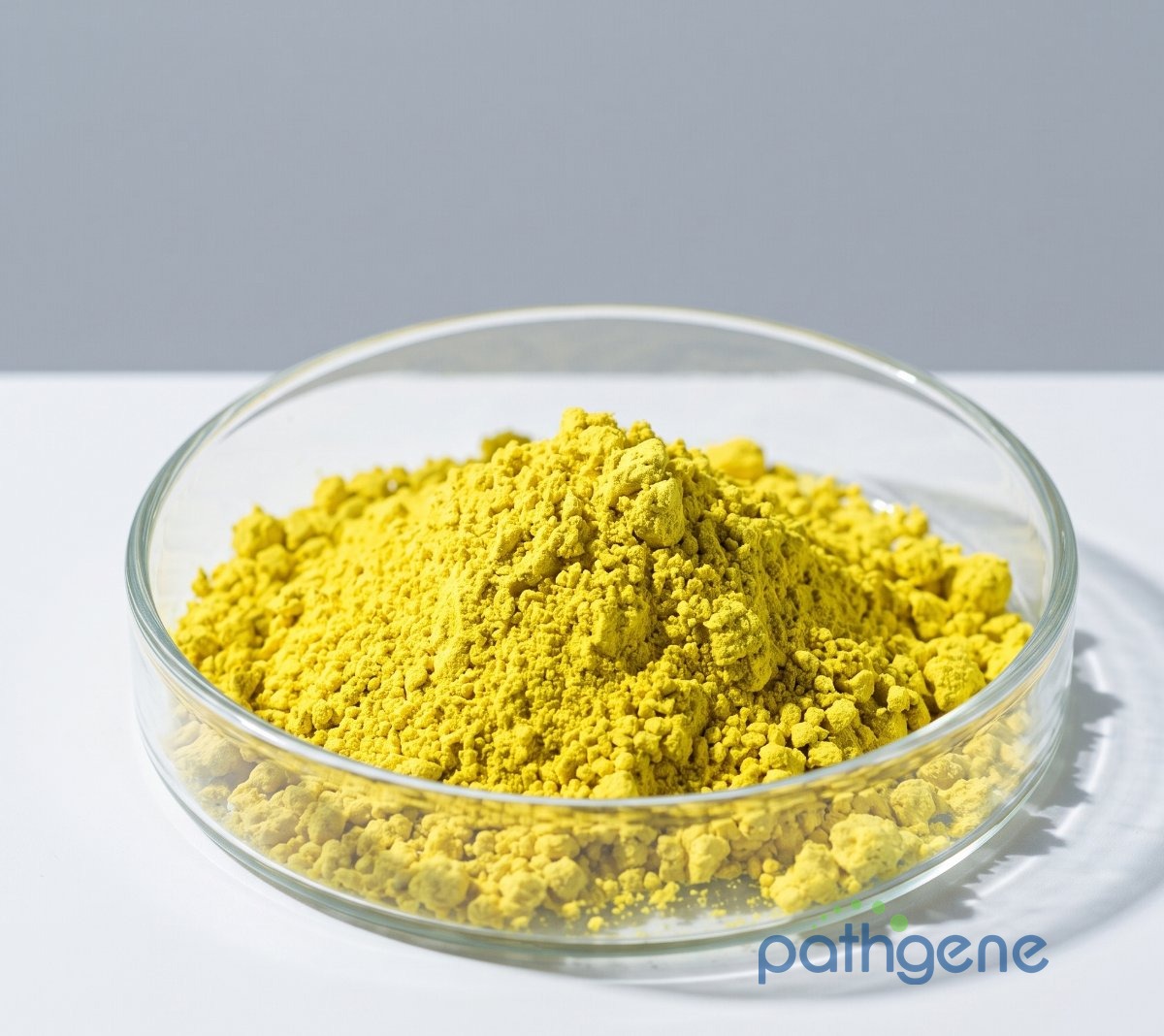
| Appearance | Yellow crystalline powder |
| Solubility | Slightly soluble in water; soluble in ethanol |
| Storage | Room temperature, protect from light |
| Shelf Life | 24 months |
CAS 101-51-3
What Is DHB?
Dihydroberberine (DHB, CAS 101-51-3) is a reduced isoquinoline alkaloid derivative of berberine, with molecular formula C20H19NO4 and molecular weight 337.37 g/mol. Catalytic reduction converts the quaternary iminium (C=N+) of berberine into a tertiary enamine, lowering polarity and increasing lipophilicity relative to the parent alkaloid. Trace amounts occur naturally in berberine-containing botanicals such as Coptis chinensis (Huanglian), Phellodendron amurense, and Berberis species, and it can also form transiently when gut bacteria reduce ingested berberine. Commercial bulk material is typically manufactured semi-synthetically: berberine is first extracted and purified from selected plant biomass, then subjected to a controlled catalytic hydrogenation step that yields dihydroberberine, which is crystallized and dried into a stable yellow crystalline powder suitable for dietary supplement and nutraceutical formulation.
Other Names
Key Features
High-Purity Assay
Purity ≥98.0% verified by HPLC against a qualified reference standard, batch-to-batch consistent for demanding formulation needs.
Controlled Semi-Synthesis
Produced from selected berberine-rich plant feedstock through a tightly controlled catalytic reduction step, ensuring reaction consistency and traceability from raw material to finished powder.
Uniform Yellow Crystalline Form
Supplied as a free-flowing yellow crystalline powder with controlled particle size for consistent dosing, blending, and capsule/tablet processing.
Full Contaminant Screening
Every batch is screened for heavy metals (Pb, Hg, Cd, As), residual solvents, and microbial limits, with a full Certificate of Analysis provided.
Flexible Bulk & OEM Supply
Available in flexible order quantities from sample to bulk drums, with OEM/private-label formulation, custom packaging, and documentation support.
| Molecular Formula | C₂₀H₁₉NO₄ |
| Molecular Weight | 337.37 g/mol |
| Appearance | Yellow crystalline powder |
| Solubility | Slightly soluble in water; soluble in ethanol |
| Storage Condition | Room temperature, protect from light |
| Shelf Life | 24 months |
| Grade 1 | Supplement Grade · ≥98.0% · COA |
End-Product Applications
Mechanism & Benefits
Enhanced-absorption berberine derivative. Regulates blood glucose, blood lipids, anti-inflammatory and anti-microbial.
Packaging Options
100 g 500 g 1 kg
Lead Time
7–10 business days
Minimum Order
100 g
Custom Packaging
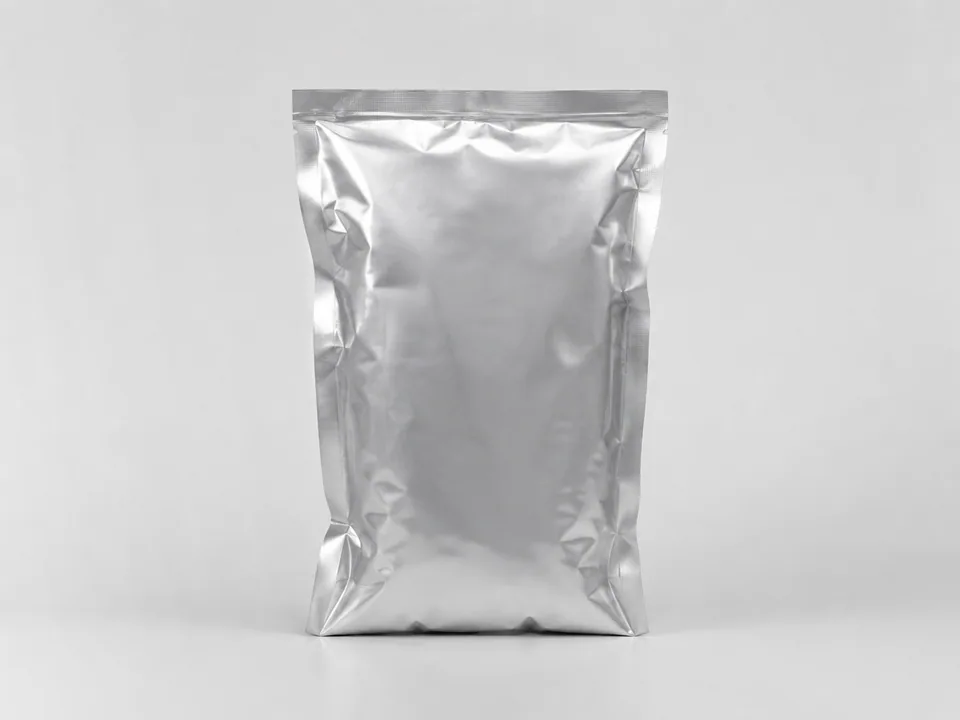
Custom packaging (foil bags, HDPE drums), GMP labeling, and export documentation are available. Contact us for specifics.Certifications
ISO
ISO
Manufacturing Process
Botanical Raw Material Selection
Berberine-rich botanical material (e.g., Coptis chinensis rhizome or Phellodendron amurense bark) is sourced and screened for berberine content prior to processing.
Extraction of Berberine
The plant material is extracted using acidified aqueous or ethanol-based solvent systems to solubilize the berberine alkaloid fraction.
Purification to Berberine Intermediate
Crude extract is purified via crystallization and/or ion-exchange processing to obtain a pharmaceutical-grade berberine salt (e.g., berberine hydrochloride) intermediate.
Catalytic Reduction (Hydrogenation)
The purified berberine salt is reacted with a hydrogen donor (hydrogen gas, or agents such as ammonium formate/isopropanol) over a supported metal catalyst (e.g., Pd/C or Raney nickel) under mildly alkaline, temperature-controlled conditions, converting the quaternary iminium of berberine into the dihydro (tertiary enamine) form.
Catalyst Removal & Neutralization
The reaction mixture is filtered to remove the metal catalyst and neutralized to precipitate the dihydroberberine free base.
Crystallization
Controlled cooling and/or anti-solvent crystallization yields dihydroberberine as a defined yellow crystalline solid.
Washing, Drying & Milling
Crystals are washed to remove residual salts and mother liquor, vacuum-dried to target moisture/loss-on-drying, then milled and sieved for uniform particle size.
Quality Control & Packaging
Finished material undergoes HPLC assay, heavy metal, residual solvent, and microbial testing before being packaged under light- and moisture-protected conditions.
Quality Specifications
| Test Item | Specification | Result |
|---|---|---|
| Appearance | Yellow crystalline powder | Conforms |
| Odor | Characteristic, no foreign odor | Conforms |
| Identification (HPLC retention time) | Consistent with reference standard | Conforms |
| Assay (HPLC) | ≥98.0% | 98.4% |
| Loss on Drying | ≤0.5% | 0.3% |
| Heavy Metals (Pb) | ≤10 ppm | <5 ppm |
| Mercury (Hg) | ≤1 ppm | <0.5 ppm |
| Cadmium (Cd) | ≤1 ppm | <0.5 ppm |
| Arsenic (As) | ≤2 ppm | <1 ppm |
| Particle Size (through 80 mesh) | ≥95% | 98% |
| Total Plate Count | ≤1000 CFU/g | <100 CFU/g |
| Yeast & Mold | ≤100 CFU/g | <10 CFU/g |
| E. coli | Negative/25 g | Negative |
| Salmonella | Negative/25 g | Negative |
Purity & Assay Method
Purity is determined by reverse-phase HPLC with UV detection, quantified against a qualified dihydroberberine reference standard and reported on an as-is basis. Because dihydroberberine can be air- and light-sensitive and may partially reoxidize toward berberine under poor storage conditions, buyers should confirm the assay method, reference standard traceability, and related-substance/impurity profile on the batch-specific Certificate of Analysis before formulation, and request re-test data for material held longer than the recommended retest interval.
Solubility & Formulation
Dihydroberberine is slightly soluble in water but readily soluble in ethanol and other organic solvents, reflecting the increased lipophilicity gained when the parent alkaloid's quaternary ammonium group is reduced to a tertiary amine. For finished-product formulation, this profile favors oil-based softgel suspensions, lipid or self-emulsifying (SEDDS/SMEDSS) delivery systems, or micronization/particle-size reduction combined with wetting agents to improve dispersibility in aqueous or powder-blend applications. Buyers formulating aqueous or effervescent products should pilot-test dispersion and consider co-processing with solubilizers or carrier excipients.
Available Product Forms
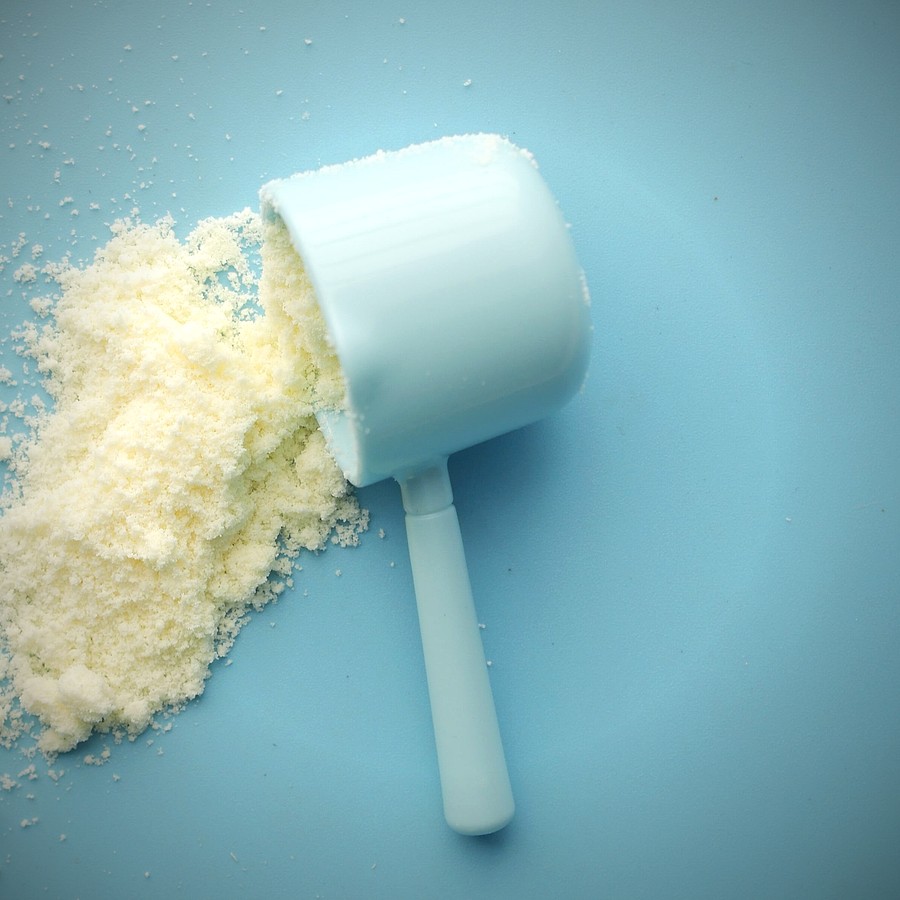
Bulk DHB Powder
High-purity raw powder for supplement factories, research organizations, ingredient distributors, and contract manufacturers.
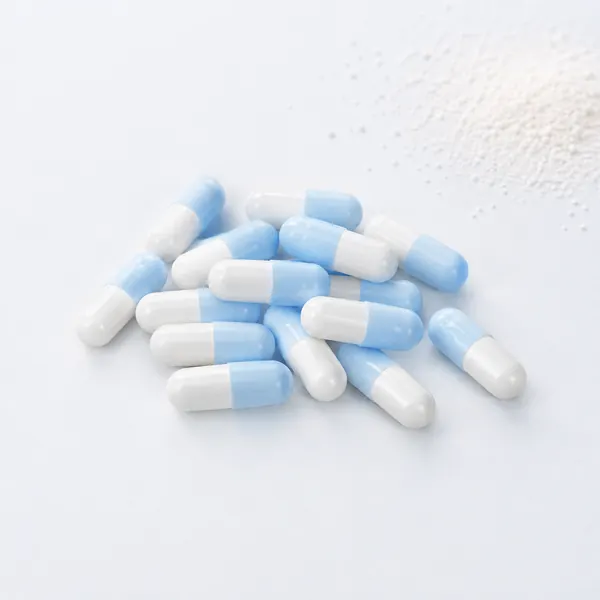
DHB Capsules
Custom capsule strength, shell material, bottle count, excipients, and label design for private-label brands.
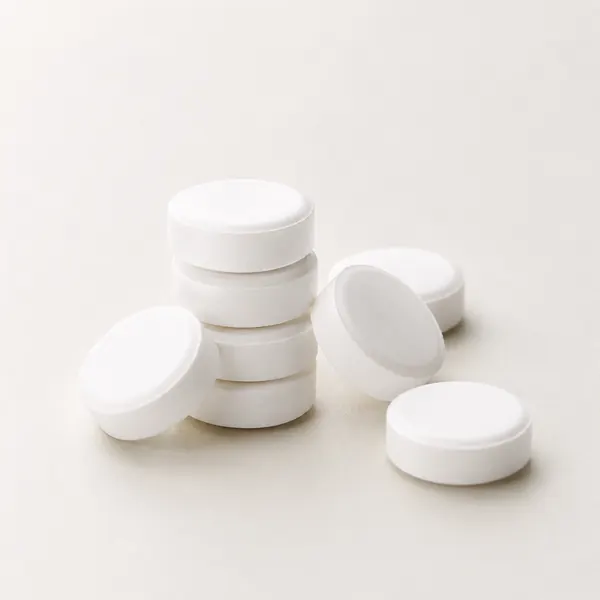
DHB Tablets
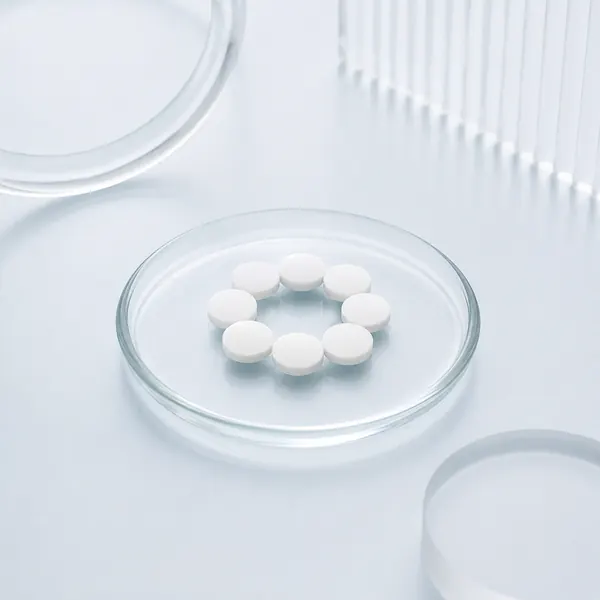
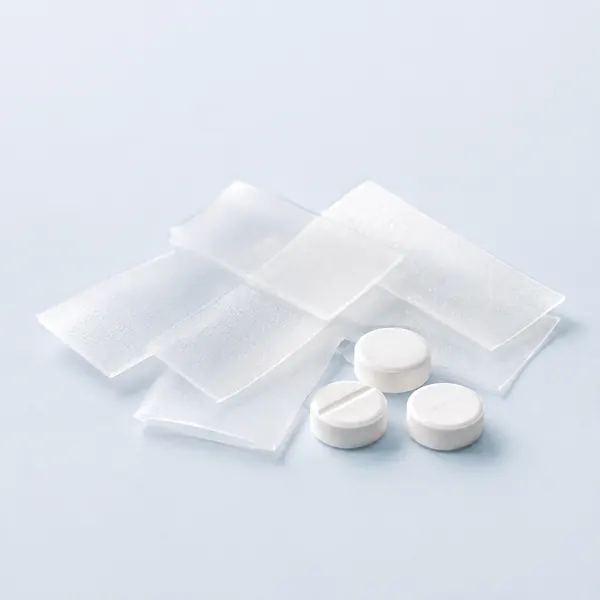
Tablet formulation, granulation, compression, coating, bottle packaging, and custom labeling support.
DHB Powder Blends
DHB can be blended with complementary actives (antioxidants, other longevity ingredients, vitamins, minerals) per customer formula.
What purity and specification does your dihydroberberine meet?+
Standard grade is ≥98.0% purity by HPLC, supplied as a yellow crystalline powder with full heavy metal and microbial testing. A batch-specific Certificate of Analysis is provided with every shipment; higher-purity or custom specifications can be discussed on request.
How is your dihydroberberine produced, and what is the raw material source?+
It is manufactured semi-synthetically: berberine is first extracted and purified from selected berberine-rich botanical raw material, then converted to dihydroberberine through a controlled catalytic reduction step, followed by crystallization, drying, and quality testing.
What is the solubility of dihydroberberine, and how should it be formulated?+
It is slightly soluble in water and readily soluble in ethanol. For most finished products, oil-based softgel suspensions, lipid delivery systems, or micronized powder blends with a wetting agent give the most consistent results; our technical team can advise based on your target dosage form.
Can we request a free sample before placing a bulk order?+
Yes, small samples are available for formulation testing and internal evaluation. Please contact our sales team with your intended application and shipping details to arrange a sample.
Do you support third-party testing or independent verification?+
Yes. In addition to our in-house Certificate of Analysis, we support sending samples to a third-party laboratory of the buyer's choice for independent verification of purity, heavy metals, and microbial limits.
Do you offer OEM or private-label services for dihydroberberine products?+
Yes, we offer OEM/ODM and private-label support, including custom blends, capsule/tablet formulation assistance, and packaging design tailored to your brand requirements.
What packaging options are available for shipment?+
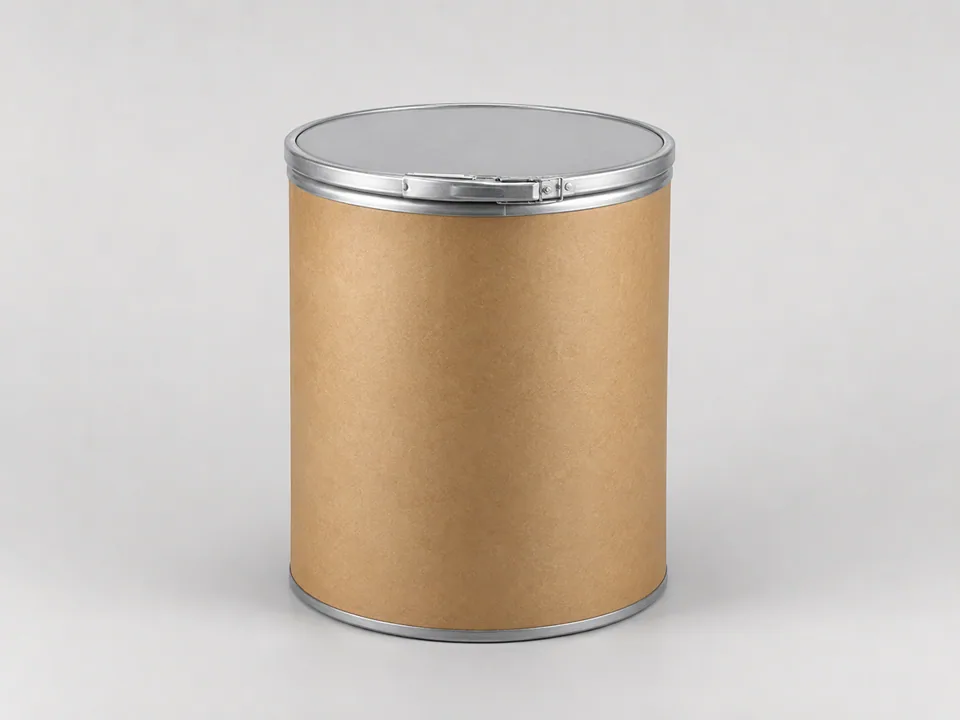
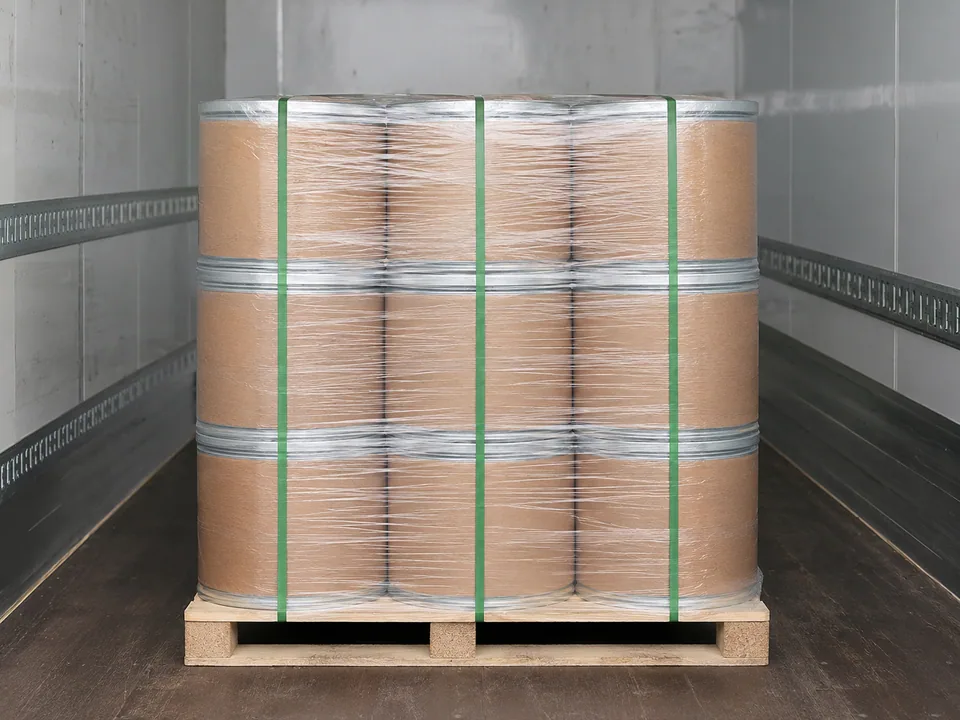
Standard packaging includes 1 kg and 25 kg fiber drums with double food-grade polyethylene liners to protect against moisture and light; custom packaging sizes and labeling can be arranged for larger or OEM orders.
What is the minimum order quantity, and how can we get a quotation?+
MOQ varies by order form (sample, trial batch, or bulk) and can be confirmed by our sales team based on your target volume and delivery timeline; please reach out with your requirements for a formal quotation.
Why Choose PathGene
- Direct China manufacturer supply — factory pricing, no middleman
- Batch-specific COA & full traceability on every shipment
- In-house R&D + synthetic biology / enzymatic production platform
- Free sample for qualified B2B buyers before commercial order
- Flexible MOQ — from lab-scale trial to ton-scale commercial supply
- One-stop OEM/private-label support for finished dosage forms
- Worldwide shipping by courier, air freight, and sea freight
OEM & Private-Label Services
- ·Custom capsule manufacturing
- ·Custom tablet manufacturing
- ·Powder blending & custom formulation
- ·Private-label bottles, pouches & labels
- ·Small trial orders
- ·Bulk commercial production
- ·Export documentation
- ·Third-party laboratory testing
Documents Available
- ·Certificate of Analysis (COA)
- ·Product specification sheet
- ·Material Safety Data Sheet (MSDS)
- ·Manufacturing flow chart
- ·HPLC test report
- ·Heavy-metal test report
- ·Microbiological test report
- ·Non-GMO / allergen statement
- ·Country-of-origin documentation
- ·Packing list & commercial invoice
Certificate availability should be confirmed with our sales team before ordering.
Sample Certificate of Analysis
PathGene Biotech Co., Ltd.
南京派琪生物科技有限公司
CERTIFICATE OF ANALYSIS
Layout example — not an issued batch record
Product Name
DHB
CAS No.
101-51-3
Batch No.
PG-SAMPLE-000000
Packaging
Issued upon order confirmation
| Test Item | Specification | Result |
|---|---|---|
| Appearance | Yellow crystalline powder | Conforms |
| Odor | Characteristic, no foreign odor | Conforms |
| Identification (HPLC retention time) | Consistent with reference standard | Conforms |
| Assay (HPLC) | ≥98.0% | 98.4% |
| Loss on Drying | ≤0.5% | 0.3% |
| Heavy Metals (Pb) | ≤10 ppm | <5 ppm |
| Mercury (Hg) | ≤1 ppm | <0.5 ppm |
| Cadmium (Cd) | ≤1 ppm | <0.5 ppm |
| Arsenic (As) | ≤2 ppm | <1 ppm |
| Particle Size (through 80 mesh) | ≥95% | 98% |
| Total Plate Count | ≤1000 CFU/g | <100 CFU/g |
| Yeast & Mold | ≤100 CFU/g | <10 CFU/g |
| E. coli | Negative/25 g | Negative |
| Salmonella | Negative/25 g | Negative |
Conclusion: Conforms to internal quality specifications
The COA issued with your order will carry the actual batch number, manufacture/test dates, and QC signature.
Related Products

Citicoline (CDP-Choline)


Interested in DHB?
Our R&D team will respond to your inquiry or sample request within 24 hours.